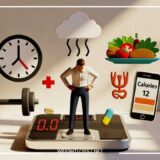
Healthy Weight Loss for Women


Healthy Weight Loss for Women | Safe & Sustainable Tips
Embarking on a journey towards a healthier weight is a commendable goal for any woman. Beyond societal pressures, achieving and maintaining a healthy weight is crucial for overall well-being, influencing energy levels, disease prevention, and quality of life. This article delves into the essential aspects of healthy weight loss tailored to women’s unique needs, emphasizing sustainable strategies over fleeting trends. We’ll explore the fundamental principles of weight management, the importance of balanced nutrition and physical activity, and the specific hormonal and lifestyle factors that can play a significant role in a woman’s weight loss journey.
Our focus will remain on providing inclusive advice applicable to everyone, steering clear of specific dietary dogmas and product endorsements, to empower you with the knowledge to make informed and lasting changes.
Understanding Weight Loss Basics
At its core, weight loss is governed by a fundamental principle: energy balance. When you consistently expend more calories than you consume, your body turns to its stored energy reserves, primarily fat, leading to weight reduction. This is often referred to as “calories in, calories out.” While this concept is straightforward, the human body is a complex system, and several factors influence this balance.
Metabolism, the process by which your body converts food and drink into energy, plays a vital role. Metabolic rate, or how quickly your body burns calories, is influenced by genetics, age, sex, body composition, and activity levels. For instance, individuals with more muscle mass tend to have a higher resting metabolic rate, meaning they burn more calories even at rest. While some factors like genetics are beyond our control, others, such as increasing muscle mass through strength training, can positively impact metabolism.
Body composition refers to the proportion of fat, muscle, bone, and other tissues in your body. When aiming for healthy weight loss, the goal is primarily to reduce body fat while preserving or even building lean muscle mass. Muscle is more metabolically active than fat, contributing to a higher calorie burn. Therefore, focusing solely on the number on the scale might not always reflect true progress; changes in body composition are equally, if not more, important.
Balanced Nutrition for Healthy Weight Loss
Nourishing your body with the right foods is paramount for sustainable weight loss and overall health. The focus should be on consuming nutrient-dense foods – those that are rich in vitamins, minerals, and fiber relative to their calorie content. These include a wide array of colorful fruits, diverse vegetables, hearty whole grains, beneficial nuts, nutritious seeds, and versatile legumes. These food groups provide essential micronutrients and fiber, which aids in satiety, digestion, and blood sugar control.
Carbohydrates, fats, and proteins are the macronutrients your body needs to function properly. While some weight loss trends may demonize certain macronutrients, balance is key. Carbohydrates, especially complex carbohydrates found in whole grains and vegetables, are the body’s primary source of energy. Healthy fats, found in nuts, seeds, and avocados, are crucial for hormone production and nutrient absorption. Protein, abundant in legumes, nuts, and seeds, is essential for building and repairing tissues and also contributes to feelings of fullness. Instead of eliminating entire food groups, focus on choosing whole, unprocessed sources and consuming them in appropriate proportions.
Portion control is a fundamental aspect of managing calorie intake. Even healthy foods can lead to weight gain if consumed in excessive amounts. Being mindful while eating – paying attention to your hunger and fullness cues, eating slowly, and avoiding distractions – can help you regulate your portion sizes naturally.
Hydration is often underestimated in its role in weight management. Water is essential for numerous bodily functions, including metabolism. It can also help you feel fuller, potentially reducing overall calorie intake. Aim to drink adequate amounts of water throughout the day, and be mindful that thirst can sometimes be mistaken for hunger.
Physical Activity and Exercise
Regular physical activity offers a multitude of benefits beyond weight loss, including improved cardiovascular health, stronger bones, enhanced mood, and increased energy levels. When it comes to weight management, exercise helps burn calories, contributing to the “calories out” side of the equation.
A well-rounded exercise routine incorporates different types of activities. Cardiovascular exercises, such as brisk walking, jogging, swimming, or cycling, elevate your heart rate and improve your body’s ability to use oxygen. Strength training, using weights or bodyweight exercises, helps build and maintain muscle mass, which, as mentioned earlier, can boost your metabolism. Flexibility exercises, like stretching and yoga, improve range of motion and can prevent injuries. Balance exercises, important for all ages, help maintain stability and prevent falls.
Building muscle is particularly beneficial for long-term weight management. Muscle tissue burns more calories at rest than fat tissue, so increasing your muscle mass can lead to a higher overall calorie expenditure throughout the day.
Finding ways to incorporate movement into your daily life is crucial for consistency. This could include taking the stairs instead of the elevator, walking or cycling for short errands, or engaging in active hobbies you enjoy. Aim for a combination of structured exercise sessions and increased daily activity to maximize the benefits for weight loss and overall well-being.
Hormonal and Lifestyle Factors Specific to Women
Women’s bodies undergo unique hormonal fluctuations throughout their lives that can significantly impact weight management. The menstrual cycle can lead to temporary weight fluctuations due to fluid retention influenced by changing hormone levels. Understanding these natural shifts can help avoid unnecessary concern.
Pregnancy brings about substantial physiological changes, and weight gain is a natural and necessary part of supporting a healthy pregnancy. Postpartum weight loss is a gradual process, and focusing on nourishing the body and engaging in safe exercise is key.
Menopause, marked by a significant decrease in estrogen levels, can also influence body composition and fat distribution. Women may find they are more prone to storing fat around the abdominal area during and after menopause. Adapting lifestyle strategies, including a focus on strength training and a nutrient-rich diet, can be particularly helpful during this phase.
Beyond hormonal influences, stress management and sleep quality play crucial roles in weight regulation. Chronic stress can lead to elevated levels of cortisol, a hormone that can increase appetite and promote fat storage, particularly in the abdominal region. Prioritizing stress-reducing activities like mindfulness, yoga, or spending time in nature can be beneficial.
Poor sleep can disrupt the hormones that regulate hunger and satiety, leading to increased cravings for calorie-dense foods and overeating. Aiming for 7-9 hours of quality sleep each night is essential for overall health and can positively impact your weight loss efforts. Establishing a regular sleep schedule and creating a relaxing bedtime routine can improve sleep quality.
Behavior and Mindset for Long-Term Success
Sustainable weight loss is not just about diet and exercise; it’s deeply intertwined with our behaviors and mindset. Setting realistic and achievable goals is crucial for staying motivated. Instead of focusing solely on a target weight, consider setting smaller, process-oriented goals, such as exercising three times a week or incorporating more vegetables into each meal.
Developing healthy habits and routines creates a supportive framework for long-term success. This could include meal prepping on weekends, packing healthy snacks for work, or scheduling regular exercise sessions. Consistency is key, and small, sustainable changes are more effective than drastic, short-lived efforts.
Overcoming emotional eating and dealing with cravings are common challenges. Identifying triggers for emotional eating and developing healthy coping mechanisms, such as engaging in a hobby, going for a walk, or talking to a friend, can be helpful. When cravings strike, try to understand if it’s true hunger or a psychological urge. Sometimes, a small, healthy snack or simply waiting it out can make the craving subside.
Cultivating self-compassion is vital throughout your weight loss journey. There will be days when you don’t stick perfectly to your plan, and that’s okay. Avoid self-criticism and instead focus on learning from these experiences and getting back on track. Remember that progress is rarely linear.
It’s also important to be mindful of diet culture pressures, which often promote unrealistic ideals and quick-fix solutions. Focus on making sustainable changes that support your overall health and well-being rather than striving for an unattainable or unhealthy body image. Celebrate your progress and acknowledge your efforts.
Practical Tips and Strategies
Implementing healthy weight loss strategies into a busy lifestyle requires practical approaches. Meal planning and preparation can save time and make healthier choices more convenient. Spend some time each week planning your meals and preparing components like chopped vegetables, cooked grains, or portioned snacks.
Having healthy snack ideas readily available can prevent impulsive, less nutritious choices when hunger strikes between meals. Options like a small handful of nuts, a piece of fruit, or vegetable sticks with hummus can be satisfying and provide sustained energy.
Tracking progress can be motivating, but it’s important to do so without obsessing over the scale. Weighing yourself once a week at the same time can provide a general trend, but remember that weight can fluctuate due to various factors. Focus on non-scale victories as well, such as increased energy levels, improved sleep, better fitting clothes, and enhanced mood. These indicators often reflect positive changes in your body composition and overall health.
When to Seek Professional Help
While this article provides general guidance, individual needs and circumstances can vary significantly. Knowing when to consult healthcare or nutrition professionals is essential. If you have any underlying health conditions, are taking medications, or have specific dietary needs, seeking personalized advice from a doctor, registered dietitian, or nutritionist is crucial.
A healthcare professional can help you understand how your health status might affect your weight loss journey and provide tailored recommendations. A registered dietitian or nutritionist can create a personalized meal plan that meets your nutritional needs and preferences while supporting your weight loss goals. They can also provide guidance on mindful eating, portion control, and navigating emotional eating.
Don’t hesitate to seek professional support if you feel overwhelmed, confused by conflicting information, or are not seeing the progress you expect despite consistent efforts. Personalized advice can provide valuable support and ensure you are following a safe and effective weight loss plan.
Final Thoughts
Achieving a healthy weight is a journey that requires patience, consistency, and a holistic approach. By understanding the fundamental principles of weight loss, prioritizing balanced nutrition and regular physical activity, acknowledging the unique hormonal and lifestyle factors that affect women, and cultivating a positive mindset, you can embark on a sustainable path towards better health. Remember that the goal is not about quick fixes or restrictive diets, but about making gradual, lasting changes that support your overall well-being. Embrace self-compassion, celebrate your progress, and focus on building healthy habits that will benefit you for years to come.