Easiest Way to Lose Fat | Simple & Effective Fat Loss Tips

Easiest Way to Lose Fat
The Real Truth About Fat Loss
The world of weight loss is a minefield of conflicting advice, quick fixes, and expensive promises. From fad diets that demand you eat only one type of food to miracle supplements that claim to melt fat overnight, it’s easy to feel overwhelmed and discouraged. But what if the easiest way to lose fat wasn’t a secret at all? What if it was about simple, sustainable changes that don’t require you to turn your life upside down or follow a restrictive, miserable plan?
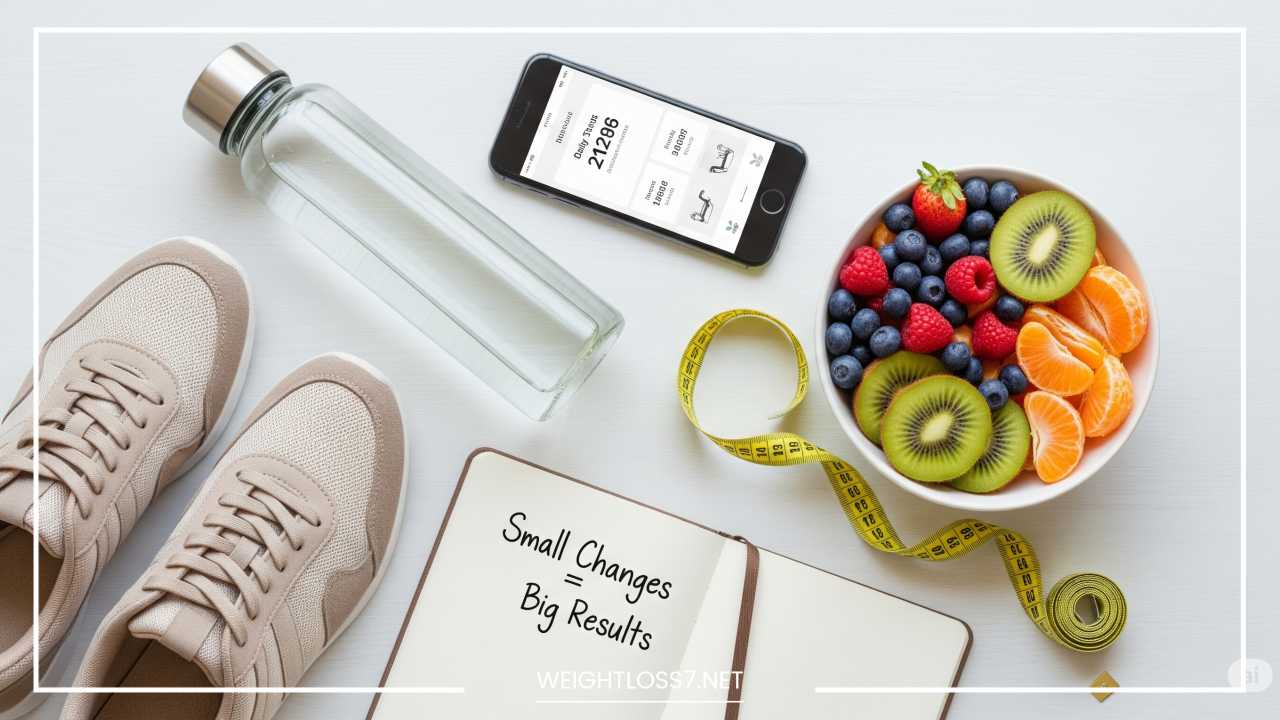
This article isn’t about extreme measures. It’s about empowering you with the knowledge to make smart, small adjustments that add up to big results. Forget the idea of “spot reduction” or believing that you need to spend hours at the gym every day. We’ll explore the real science behind fat loss, focusing on practical steps anyone can take. The goal is to build a healthy, consistent lifestyle that makes fat loss feel less like a chore and more like a natural side effect of living well. By the end, you’ll see that the easiest way isn’t a secret shortcut—it’s a journey of patience, consistency, and a little bit of knowledge.
The Science of Fat Loss
At its core, fat loss is a matter of energy balance. Think of your body like a bank account. Calories are the currency. When you consume more calories than your body uses for energy, the excess is stored as fat—your savings. To lose fat, you need to create a calorie deficit, meaning you use more energy than you consume. This forces your body to withdraw from its fat reserves to fuel its functions. It’s a simple equation, but understanding the factors that influence it is key.
Your metabolism is the rate at which your body burns calories. This rate is influenced by several factors:
- Age: Metabolism naturally slows down as we get older.
- Muscle Mass: Muscle tissue is more metabolically active than fat, meaning it burns more calories even at rest. Building and maintaining muscle is crucial.
- Activity Level: The more you move, the more calories you burn. This includes everything from a focused workout to the simple movements of daily life.
Fat is stored in specialized cells called adipocytes. When you have a calorie deficit, your body releases the stored energy from these cells to be used as fuel. This is a natural, biological process. The key is to sustain a moderate deficit over time, which allows your body to consistently tap into these fat stores without feeling starved or deprived. Understanding this process removes the mystery and lets you focus on the actions that truly matter.
Small Dietary Adjustments That Add Up
You don’t need to drastically change your entire diet to lose fat. Instead, focus on small, manageable habits that will create a calorie deficit naturally. Remember, consistency is more important than perfection.
- Mindful Eating and Portion Control: Before you even think about what you’re eating, consider how much you’re eating. Serving sizes have grown over the years, leading to unintentional overconsumption. Try using a smaller plate or simply serving yourself a bit less. Pay attention to your body’s hunger and fullness cues. Eating slower allows your brain time to register that you’re full, which can prevent overeating.
- Hydration is Key: Drinking water is one of the simplest yet most effective tools for fat loss. Water has zero calories and can help you feel full, reducing your appetite. Sometimes our brains mistake thirst for hunger. Next time you feel a craving, try drinking a glass of water and waiting 15 minutes to see if it passes.
- Swap High-Calorie Snacks: Instead of reaching for processed chips or cookies, choose foods that are naturally low in calories but high in volume, like fresh fruits, vegetables, or even a broth-based soup. These foods fill you up with fewer calories. For example, a large apple can be far more satisfying than a small handful of crackers.
- Cut the Liquid Calories: Many people don’t realize how many calories they consume from beverages. Sodas, sweetened coffees, and fruit juices can be packed with sugar and calories. Swapping these for water, unsweetened tea, or a sparkling water with a squeeze of citrus can make a huge difference in your daily calorie intake without feeling like a major sacrifice.
Making these small adjustments consistently will naturally lead to a calorie deficit, making fat loss feel less like a struggle and more like an effortless result of your new habits.
The Power of Movement: Exercise Without the Gym
When people think of exercise for fat loss, they often picture intense, grueling gym sessions. While formal workouts are great, the most effective tool for long-term fat loss is simply daily movement. The easiest way to burn more calories is to incorporate more activity into your daily life without needing a gym membership or special equipment.
- The Underrated Power of Walking: Walking is arguably the single best form of exercise for fat loss. It’s low-impact, accessible to almost everyone, and can be done anywhere. A brisk 30-minute walk can burn a significant number of calories and has countless other health benefits, like reducing stress and improving mood. Try building a walking routine—a walk after dinner, a walk during your lunch break, or simply parking farther away from your destination.
- NEAT (Non-Exercise Activity Thermogenesis): This scientific-sounding term simply refers to the calories you burn through activities that aren’t formal exercise. This includes everything from fidgeting and standing up to taking the stairs instead of the elevator. Think about ways to increase your NEAT:
- Use a standing desk.
- Take the stairs instead of the elevator.
- Walk around while on a phone call.
- Do some simple stretches or squats while waiting for something to cook.
- Simple Bodyweight Routines: You don’t need a fancy gym to build muscle. Simple bodyweight exercises like push-ups, squats, and lunges can be done in your living room and are excellent for boosting your metabolism. Building muscle is key to burning more calories at rest, and a quick 15-minute routine a few times a week can make a huge impact.
The key to all of this is consistency over intensity. It’s far better to walk for 30 minutes every day than to have one two-hour gym session a week. By making movement a natural part of your routine, you’ll burn more calories without it feeling like a burden.
Sleep, Stress, and Hormones: The Hidden Saboteurs
While diet and exercise are critical, they are not the whole story. Two major factors that can secretly sabotage your fat loss efforts are poor sleep and chronic stress. Ignoring these can make fat loss feel impossible, even if you’re doing everything else right.
- The Impact of Poor Sleep: When you don’t get enough sleep, your body’s hormone levels get thrown out of whack. A lack of sleep increases the hormone ghrelin (which makes you feel hungry) and decreases leptin (which makes you feel full). This double-whammy leads to increased cravings for high-calorie, sugary foods and can make you feel hungrier throughout the day. Getting 7-9 hours of quality sleep each night is one of the most powerful and effortless fat-loss strategies there is.
- The Stress-Cortisol Connection: Chronic stress elevates the hormone cortisol. High cortisol levels can lead to an increase in appetite and, more importantly, a tendency for your body to store fat, particularly in the abdominal area. Finding healthy ways to manage stress is vital. This could be anything from a daily nature walk to a few minutes of journaling or a relaxing bath. Stress management isn’t just for your mental health—it’s a direct component of effective fat loss.
By prioritizing sleep and finding effective ways to manage stress, you’re not just improving your overall health; you’re creating a hormonal environment in your body that is much more conducive to shedding fat and keeping it off.
Psychology and Mindset: Fat Loss Starts in the Brain
Before you can change your body, you must first change your mind. The right mindset is the foundation for long-term success. Without it, you’ll be stuck in a cycle of starting and stopping.
- Set Realistic Goals: Forget aiming to lose 20 pounds in a month. This is an unrealistic expectation that often leads to disappointment and giving up. A healthy, sustainable rate of fat loss is about 1-2 pounds per week. Celebrate these small, consistent victories. They are a sign of real, lasting progress.
- Track Progress Beyond the Scale: The scale can be a deceptive metric. Your weight can fluctuate daily due to water retention, time of day, and other factors. Instead, track your progress with other measures that are often more motivating and accurate:
- How your clothes fit.
- Your energy levels and mood.
- Progress photos every few weeks.
- How you feel during physical activity.
- Overcome “All-or-Nothing” Thinking: The biggest mistake people make is believing that one slip-up ruins all their progress. You ate an extra slice of cake? So what. Acknowledge it, and move on. Don’t let it derail your entire week. Tomorrow is a new day, and the most important thing is to get back on track.
- Create Identity-Based Habits: Instead of focusing on what you want to achieve, focus on who you want to be. For example, tell yourself, “I’m the kind of person who takes a walk after dinner,” or “I’m the kind of person who chooses water over soda.” This reframes your actions as part of your identity, making them feel less like a chore and more like a natural expression of who you are.
By shifting your mindset, you can build a positive relationship with your body and the fat loss process, making it a natural part of your life rather than a constant battle.
Mistakes to Avoid
The path to fat loss is full of common pitfalls that can stall your progress. Knowing these mistakes can help you avoid them and stay on track.
- Skipping Meals to “Save Calories”: This strategy often backfires. When you skip a meal, you become overly hungry, which can lead to overeating later in the day and making less-healthy food choices. It also slows down your metabolism. Eating regular, balanced meals helps keep your metabolism humming and prevents extreme hunger.
- Over-Reliance on Cardio: While cardio is excellent for heart health and calorie burning, a balanced approach is key. Focusing only on cardio and neglecting muscle-building can lead to a slower metabolism in the long run. Remember, muscle burns more calories at rest, so incorporating bodyweight exercises is a vital part of a comprehensive plan.
- Underestimating Calories in “Healthy” Foods: Many foods we consider “healthy” can be very calorie-dense. Nuts, seeds, avocados, and cooking oils are all great for you, but their calories can add up quickly. Be mindful of portion sizes with these items. For instance, a small handful of almonds is a great snack, but mindlessly eating from a large bag can add hundreds of extra calories without you realizing it.
- Getting Discouraged by Slow Progress: Real, sustainable fat loss is a marathon, not a sprint. Seeing a slow change on the scale can be discouraging, but remember that progress isn’t always linear. There will be weeks where you lose more and weeks where you lose less. The goal is to stay consistent and not let a slow week derail your overall effort.
By being aware of these common mistakes, you can navigate your fat loss journey with more wisdom and patience, avoiding the setbacks that cause many people to give up.
Final Thoughts: Make Fat Loss Effortless by Making It a Lifestyle
The easiest way to lose fat is not a secret pill, a restrictive diet, or a grueling exercise plan. It’s the cumulative result of small, consistent habits that become a natural part of your life. It’s about understanding the science behind energy balance, making mindful dietary adjustments, and finding ways to move your body that you actually enjoy. It’s about prioritizing your sleep, managing stress, and, most importantly, cultivating a patient and positive mindset.
Fat loss doesn’t have to be a struggle. By focusing on consistency over perfection, celebrating small wins, and treating your body with kindness and respect, you will find that the fat loss is a natural and almost effortless side effect of a healthier, happier lifestyle. Start small today. Take a walk. Drink a glass of water. Get to bed a little earlier. These tiny changes are the first steps on a path that leads to lasting results and a more vibrant you.