Best Diet to Lose Weight and Keep It Off

Best Diet to Lose Weight and Keep It Off | Sustainable Plant-Based Weight Loss Tips
Achieving sustainable weight loss is a goal for many, yet the journey often feels like a frustrating cycle of deprivation and rebound. The allure of rapid results from crash diets can be strong, but these approaches rarely deliver lasting success. Instead, they often lead to metabolic slowdowns, nutrient deficiencies, and an eventual return to — or even exceeding — one’s initial weight. The true secret to shedding unwanted pounds and, more importantly, keeping them off lies not in extreme restrictions but in adopting a balanced, consistent, and sustainable lifestyle.
A plant-based or plant-forward approach, rich in whole, unprocessed foods, offers a powerful and effective pathway to achieving and maintaining a healthy weight, while also providing a wealth of benefits for overall well-being. This article will delve into the principles, practicalities, and long-term mindset required to embark on a successful and enduring weight loss journey, focusing exclusively on a vibrant, plant-centric diet.
Understanding Sustainable Weight Loss
The distinction between merely losing weight and genuinely keeping it off is critical. Anyone can lose weight in the short term through drastic calorie cutting, but this often triggers a survival response in the body. Metabolism can slow down as the body adapts to fewer calories, making further weight loss difficult and setting the stage for rapid weight regain once normal eating resumes. This phenomenon, often referred to as metabolic adaptation, highlights why consistency and gradual lifestyle changes are paramount. Sustainable weight loss is not about a quick fix; it’s about building new habits, understanding your body’s needs, and making choices that you can maintain for the long haul. It’s a journey of re-education and commitment, where the focus shifts from temporary results to permanent, positive transformations in your relationship with food and your body.
Core Principles of a Weight-Loss Diet Without Meat or Eggs
At the heart of an effective, plant-based weight loss diet is a profound emphasis on whole, minimally processed plant foods. These foods are nutritional powerhouses, offering an abundance of vitamins, minerals, antioxidants, and fiber. A key principle to grasp is calorie density. While foods like nuts and seeds are nutritious, they are calorie-dense. Conversely, foods like potatoes, fruits, and leafy greens are far less calorie-dense, meaning you can consume a larger volume for fewer calories, leading to greater satiety.
Fiber, abundantly present in plant foods, plays a crucial role in weight management. It adds bulk to your diet without adding significant calories, promoting feelings of fullness and helping regulate digestion. This natural satiety mechanism helps prevent overeating. Furthermore, a well-structured plant-based diet ensures a balanced intake of macronutrients: complex carbohydrates for sustained energy, healthy fats for essential bodily functions and nutrient absorption, and ample plant protein to support muscle maintenance and repair. The synergy of these components creates a diet that is not only effective for weight loss but also incredibly nourishing and satisfying.
Key Food Groups for Weight Loss
Embracing a plant-based diet for weight loss means focusing on an array of delicious and nutrient-dense food groups.
Whole Grains: These are the bedrock of sustained energy and satiety. Unlike refined grains, whole grains retain their bran, germ, and endosperm, packing in fiber, B vitamins, and minerals. Examples include oats (especially steel-cut or rolled oats), quinoa, brown rice, barley, and farro. They provide a slow release of glucose, preventing sharp blood sugar spikes and crashes that can lead to cravings.
Legumes: A powerhouse of plant-based protein and fiber, legumes are invaluable for weight loss. Lentils, chickpeas, black beans, kidney beans, cannellini beans, and peas are incredibly versatile and filling. They contribute significantly to satiety and help stabilize blood sugar levels, making them excellent staples for meals.
Vegetables: The more, the merrier! Vegetables are incredibly low in calories and high in nutrients and fiber. Emphasize leafy greens like spinach, kale, collard greens, and Swiss chard, which are nutrient-dense and volume-rich. Cruciferous vegetables such as broccoli, cauliflower, Brussels sprouts, and cabbage offer unique health benefits and contribute to satiety. Root vegetables like carrots and sweet potatoes, while slightly higher in calories, are packed with vitamins and complex carbohydrates.
Fruits: Nature’s candy, fruits offer natural sweetness along with vitamins, minerals, and antioxidants. Opt for berries (strawberries, blueberries, raspberries), apples, pears, and citrus fruits (oranges, grapefruits). These are generally lower in glycemic index and high in fiber, contributing to fullness. While all fruits are healthy, mindful portioning of higher-sugar fruits like bananas and dates can be beneficial during active weight loss phases.
Nuts & Seeds (in moderation): While calorie-dense, nuts and seeds are rich in healthy fats, protein, and fiber. Chia seeds, flax seeds, hemp seeds, almonds, walnuts, and sunflower seeds offer essential omega-3 fatty acids and other vital nutrients. Due to their calorie density, portion control is crucial. A small handful of almonds or a tablespoon of chia seeds can add nutritional value without derailing calorie goals.
Healthy Fats: Beyond nuts and seeds, other sources of healthy fats are important for nutrient absorption and satiety. Avocado is a fantastic source of monounsaturated fats and fiber. Olives and small amounts of high-quality olive oil can be incorporated in moderation for flavor and their beneficial fatty acid profiles. Remember, even healthy fats are calorie-dense, so conscious portioning is key.
Foods to Limit or Avoid
To maximize weight loss and overall health on a plant-based diet, it’s just as important to understand what to limit or avoid.
Ultra-processed snacks and baked goods: These items, often marketed as “vegan,” are typically high in refined sugars, unhealthy fats, and artificial ingredients. Chips, cookies, pastries, and many store-bought snack bars offer little nutritional value and can lead to overconsumption and weight gain due to their highly palatable nature and lack of fiber.
Sugar-sweetened beverages: Sodas, fruit juices (even 100% juice can be high in sugar without the fiber of whole fruit), and sweetened plant milks contribute empty calories and can significantly hinder weight loss efforts. They don’t provide satiety and can lead to blood sugar spikes and subsequent crashes.
Excessive oils and fried foods: While some healthy fats are essential, using large amounts of cooking oils (even olive or coconut oil) or regularly consuming fried plant-based foods can dramatically increase calorie intake without adding much volume or satiety. Opt for water-sautéing, baking, roasting, or air-frying instead.
Refined grains: White bread, white pasta, and highly processed cereals lack the fiber and nutrients found in their whole-grain counterparts. They are quickly digested, leading to blood sugar spikes and less sustained energy, often resulting in quicker hunger cues.
Vegan junk food: The rise of plant-based diets has brought an influx of highly processed vegan alternatives like “fake meats” and dairy-free cheeses. While they can be an occasional treat, many are high in sodium, unhealthy fats, and isolated proteins, offering similar nutritional profiles to their animal-based processed counterparts and should not form the basis of a weight-loss diet.
Sample Daily Meal Plan
Here’s an example of a full day’s delicious and nourishing plant-based meal plan designed for weight loss, emphasizing simplicity, variety, and satiety:
Breakfast:
- Overnight Oats with Berries and Chia Seeds: Combine 1/2 cup rolled oats with 1 cup unsweetened plant milk (almond or soy), 1 tablespoon chia seeds, and 1/2 cup mixed berries (fresh or frozen). Stir well and refrigerate overnight. In the morning, top with a sprinkle of chopped walnuts (optional).
Lunch:
- Hearty Lentil and Vegetable Soup: A large bowl of homemade lentil soup packed with carrots, celery, spinach, diced tomatoes, and herbs. Lentils provide excellent protein and fiber, making it very filling. Serve with a side of whole-grain crackers (2-3, unsalted).
Snack (Mid-afternoon):
- Apple Slices with a Small Spoonful of Almond Butter: One medium apple sliced, served with 1 tablespoon of natural almond butter (no added sugar). The fiber from the apple and healthy fats/protein from the almond butter provide sustained energy.
Dinner:
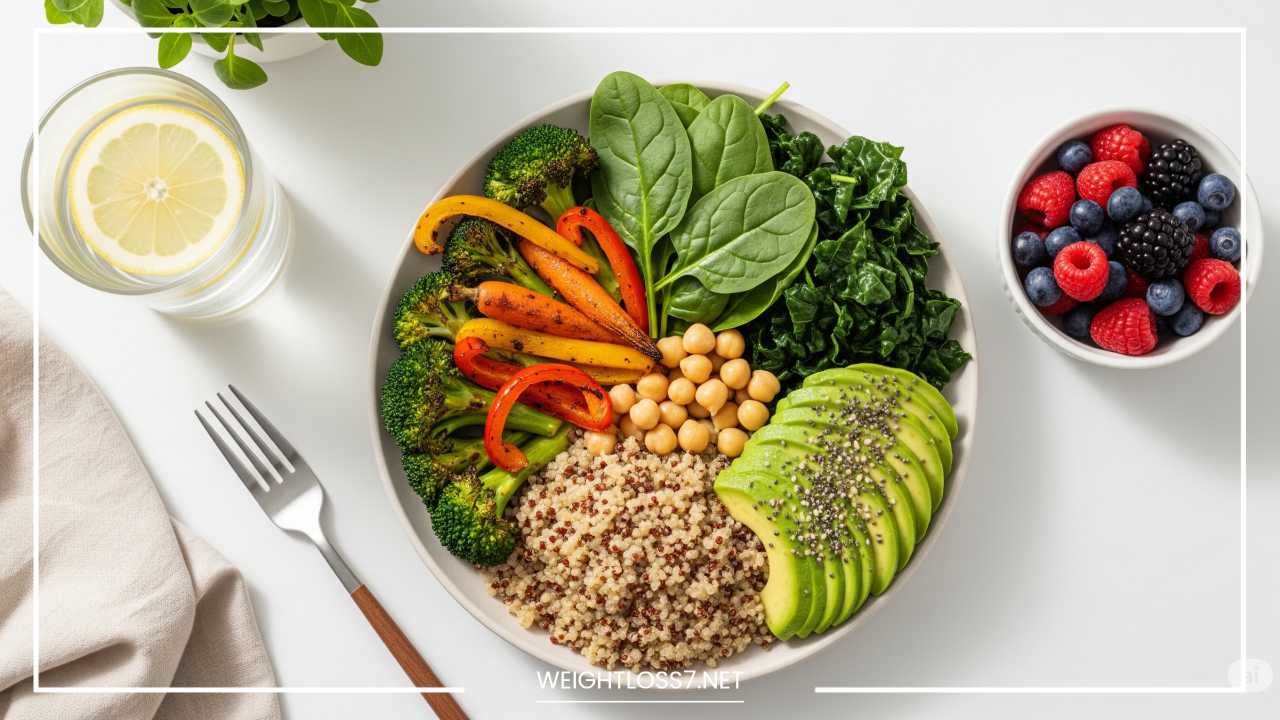
- Quinoa Bowl with Roasted Vegetables and Chickpeas: 1 cup cooked quinoa as the base. Top with a generous serving of roasted broccoli, bell peppers, and zucchini. Add 1/2 cup roasted chickpeas (tossed with a little smoked paprika and garlic powder for flavor) for extra protein and crunch. Drizzle lightly with lemon juice and a touch of nutritional yeast for a cheesy flavor.
Evening Snack (Optional):
- Small bowl of mixed berries: If hunger strikes, a handful of berries can satisfy without adding many calories.
Lifestyle Tips That Support Weight Loss
Weight loss is rarely just about what you eat; it’s also about how you live. Incorporating these lifestyle habits can significantly enhance your success:
- Portion Awareness and Mindful Eating: Pay attention to your body’s hunger and fullness cues. Eat slowly, savoring each bite, and put down your fork between mouthfuls. Avoid distractions like screens while eating. This helps you recognize when you’re satisfied, not just full.
- Hydration: Drink plenty of water throughout the day. Often, thirst is mistaken for hunger. Aim for 8-10 glasses daily, and consider having a glass of water before each meal.
- Regular Physical Activity: Integrate both cardiovascular exercise (like brisk walking, jogging, or cycling) and strength training into your routine. Exercise helps burn calories, build muscle (which boosts metabolism), improves mood, and reduces stress. Aim for at least 150 minutes of moderate-intensity cardio per week, plus two days of strength training.
- Sleep and Stress Management: Chronic lack of sleep and high stress levels can wreak havoc on hormones that regulate appetite (ghrelin and leptin) and fat storage (cortisol), making weight loss incredibly challenging. Prioritize 7-9 hours of quality sleep per night and incorporate stress-reducing practices like meditation, yoga, or spending time in nature.
- Meal Prepping and Planning: Dedicate time each week to plan your meals and prepare some components in advance. This reduces the likelihood of making unhealthy, impulsive food choices when you’re hungry and short on time. Cook larger batches of grains, legumes, and chopped vegetables.
Common Myths and Mistakes
Navigating the world of diet advice can be confusing. Let’s debunk some common myths and highlight mistakes to avoid on your weight loss journey.
- Myth: Carbs are bad for weight loss. This is a pervasive misconception. The type of carbohydrate matters immensely. Refined carbohydrates (white bread, sugary drinks) can indeed contribute to weight gain. However, whole, complex carbohydrates from fruits, vegetables, and whole grains are essential for energy, fiber, and satiety. They are your allies, not your enemies, in sustainable weight loss.
- Mistake: Undereating or skipping meals. While it might seem logical to eat less, severely restricting calories can backfire. It can slow your metabolism, lead to nutrient deficiencies, and make you so hungry that you eventually overeat or binge. Consistent, balanced meals are far more effective.
- Myth: You need animal protein to lose weight. This is simply untrue. Plant-based sources of protein such as legumes, whole grains, nuts, seeds, and certain vegetables provide ample protein to support muscle mass and satiety during weight loss. In fact, many plant proteins come packaged with beneficial fiber, unlike animal proteins.
- Mistake: Over-relying on processed vegan foods. As mentioned earlier, “vegan” doesn’t automatically mean “healthy” or “good for weight loss.” Many processed vegan products are high in calories, unhealthy fats, sodium, and refined ingredients. Focus on whole, unprocessed plant foods for optimal results.
Long-Term Mindset and Motivation
Weight loss is not a sprint; it’s a marathon, and the mindset you bring to the journey is paramount to its success.
- Weight loss is a journey, not a race: Understand that progress will not always be linear. There will be plateaus and perhaps even minor fluctuations. Embrace the process, celebrate small victories, and learn from setbacks rather than letting them derail you. Patience and persistence are your greatest assets.
- Set goals beyond the scale: While the number on the scale can be a motivator, true success encompasses so much more. Focus on non-scale victories: increased energy levels, improved strength and endurance, better sleep, enhanced mood, clothes fitting better, or specific health markers improving (e.g., blood pressure, cholesterol). These provide deeper and more sustainable motivation.
- How to handle setbacks: Everyone experiences setbacks. The key is not to let one slip-up become a cascade. If you have an off day or an unhealthy meal, acknowledge it, learn from it, and get right back on track with your next meal or activity. Avoid guilt and self-blame, which can be demotivating.
- Building a support system or community: Share your goals with friends or family who can offer encouragement. Consider joining online communities, local groups, or working with a nutritionist specializing in plant-based diets. Having people who understand and support your journey can make a significant difference.
Final Thoughts
Embarking on a plant-forward journey to lose weight and keep it off is a powerful decision that extends far beyond the numbers on a scale. It’s about nourishing your body with nutrient-dense foods, cultivating sustainable habits, and fostering a positive relationship with your health. By prioritizing whole grains, legumes, an abundance of vegetables and fruits, and healthy fats, you can achieve satiety, support your metabolism, and experience sustained energy. Remember to be patient, stay consistent, and focus on the incredible, holistic benefits that this approach offers. Start small, make gradual changes, and celebrate every step forward. Your journey to a healthier, happier you begins with a single, deliberate choice to nurture your body from the ground up.