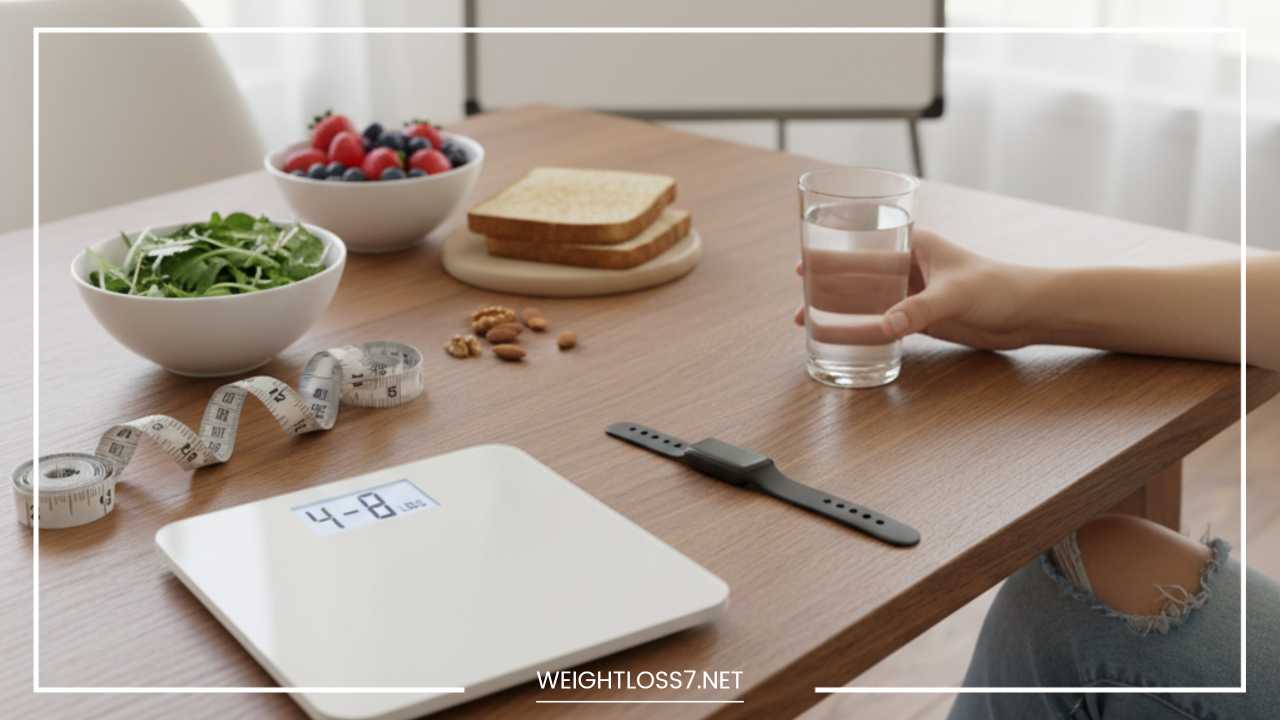
How to Lose Pounds of Fat


How to Lose Pounds of Fat: 11 Effective Strategies for Lasting Results
Learning how to lose pounds of fat is fundamentally different from chasing a smaller number on a bathroom scale. Traditional weight-loss advice often promotes rapid drops in scale weight, which frequently come from water loss, depleted glycogen stores, and hard-earned muscle tissue rather than actual adipose tissue. True body transformation happens when you prioritize fat loss while protecting your lean muscle mass and metabolic health.
Achieving lasting results requires a balanced, evidence-based approach rather than extreme restrictions or exhausting daily workouts. Sustainable fat reduction rests on four interconnected pillars: smart nutrition, strategic physical activity, restorative sleep, and daily consistency. When these foundations work together, your body naturally taps into stored energy without triggering severe hunger, burnout, or rebound weight gain. Whether your goal is to improve your health markers, boost daily energy, or visibly change your physique, understanding the biological mechanics of fat loss will help you build a realistic, rewarding path forward.
Understand How Fat Loss Works
To master how to lose body fat effectively, it helps to understand what body fat actually is and why your body holds onto it. Adipose tissue is not just passive weight; it is an active endocrine organ and your body’s primary long-term energy reserve. Whenever you consume more energy from food and beverages than your body expends through daily functions and movement, the surplus energy is converted into triglycerides and stored inside fat cells. Conversely, when your energy expenditure exceeds your energy intake, your body unlocks those triglycerides, breaks them down into fatty acids and glycerol, and releases them into the bloodstream to be burned as fuel.
A critical distinction every person must understand is the difference between losing body fat, losing water weight, and losing muscle tissue. During the first week of a new diet, people often celebrate losing five to seven pounds. However, the vast majority of that initial drop is water weight. Carbohydrates are stored in your muscles and liver as glycogen, and every gram of glycogen binds to roughly three to four grams of water. When you reduce food intake or cut carbohydrates, your body depletes glycogen and flushes out the accompanying water. Similarly, aggressive starvation diets force your body to break down metabolically active muscle tissue for energy, leaving you weaker and lowering your daily calorie burn.
True fat loss occurs at a much steadier, more gradual pace. Losing one to two pounds of actual body fat per week—or roughly half a percent to one percent of your total body weight—is widely recognized as the optimal rate for sustainability and muscle preservation. While slower than crash dieting, gradual fat loss prevents severe metabolic adaptation and protects your hormonal balance.
Another essential biological reality is that spot reduction is a myth. Doing hundreds of crunches will strengthen your abdominal muscles, just as endless leg lifts will tone your thighs, but neither exercise will selectively burn the layer of fat sitting directly over those muscles. When your body mobilizes stored fat for energy, it draws from fat reserves across your entire body according to your genetics, hormones, and sex. Consistent, full-body fat loss is the only reliable way to lean out stubborn areas.
Create a Sustainable Calorie Deficit
At the core of every successful fat-loss journey lies a single non-negotiable principle: energy balance. To reduce stored adipose tissue, you must establish a consistent calorie deficit for fat loss, meaning you consume fewer calories than your body burns over time. Regardless of whether you prefer low-carbohydrate meals, plant-based eating, intermittent fasting, or balanced macronutrient tracking, every effective fat loss diet plan succeeds because it creates this energy gap.
Your Total Daily Energy Expenditure (TDEE) represents the total number of calories you burn in a twenty-four-hour period. It consists of four components:
-
Basal Metabolic Rate (BMR): The energy your body requires at complete rest to keep your heart beating, lungs breathing, and organs functioning. This accounts for roughly sixty to seventy percent of your daily burn.
-
Non-Exercise Activity Thermogenesis (NEAT): The calories burned through everyday movements like walking around your home, fidgeting, cooking, and typing.
-
Thermic Effect of Food (TEF): The energy required to digest, absorb, and process the nutrients you eat.
-
Exercise Activity Thermogenesis (EAT): The calories burned during intentional workouts like lifting weights, running, or cycling.
You can estimate your daily maintenance calories by multiplying your current body weight in pounds by thirteen to fifteen, depending on your daily activity level. Sedentary individuals usually sit closer to thirteen, while moderately active people fall closer to fifteen. Once you have a baseline estimate, subtracting three hundred to five hundred calories per day establishes a moderate, sustainable deficit. For someone maintaining their weight at twenty-three hundred calories, eating eighteen hundred to two thousand calories daily will steadily drive fat loss without triggering overwhelming hunger.
Many people make the mistake of slashing their intake by a thousand calories or more in hopes of accelerating their timeline. Extreme calorie restriction almost always backfires. Severe undereating spikes hunger hormones like ghrelin, suppresses satiety signals like leptin, drains your physical energy so you subconsciously move less throughout the day, and accelerates muscle loss. Eventually, willpower breaks, leading to episodes of overeating that erase weeks of effort.
Remember that consistency matters far more than daily perfection. Your body does not reset its energy ledger at midnight. Viewing your calorie deficit across a seven-day week allows for natural flexibility. If you eat slightly more at a weekend family dinner, you do not need to panic or punish yourself; simply return to your normal, balanced routine the following morning.
Focus on Nutrition for Fat Loss
While calorie quantity determines whether you lose weight, food quality determines how full you feel, how much energy you have, and how much muscle you retain along the way. Building balanced meals around whole, minimally processed foods makes maintaining a deficit vastly easier than trying to ration tiny portions of hyper-palatable junk food.
A practical, effective way to structure your daily meals is to combine lean protein, complex carbohydrates, and healthy fats on the same plate. Instead of viewing foods as strictly good or bad, focus on nutrient density. Fill half of your plate with colorful, non-starchy vegetables such as broccoli, spinach, bell peppers, zucchini, cauliflower, or leafy greens. Vegetables provide vital vitamins, minerals, and antioxidants while adding massive volume to your meals for very few calories.
When choosing carbohydrates, prioritize whole grains and fiber-rich starches over refined sugars and white flour products. Foods like oats, brown rice, quinoa, sweet potatoes, whole-wheat pasta, and barley digest slowly, providing steady blood glucose and sustained energy for your workouts and workday. Refined carbohydrates—such as pastries, white bread, sugary cereals, and candy—digest rapidly, causing sharp blood sugar spikes followed by energy crashes that leave you craving more food an hour later.
Pay close attention to liquid calories and ultra-processed snacks. Sodas, sweetened coffees, fruit juices, energy drinks, and alcoholic beverages add hundreds of calories to your daily total without triggering any fullness signals in your stomach. Swapping sugary drinks for water, sparkling water, unsweetened tea, or black coffee is one of the fastest ways to burn body fat without changing the volume of food on your plate.
Understanding portion sizes is equally important, especially for calorie-dense healthy foods. Olive oil, nuts, seeds, avocados, nut butters, and cheese offer wonderful health benefits, yet a single generous pour of cooking oil or a couple of handfuls of almonds can easily add three hundred to four hundred calories. Using measuring spoons for oils and dressings or portioning out snacks onto a small plate prevents unintentional calorie creep.
| Food Category | Prioritize More Often | Limit or Moderate |
| Proteins | Chicken breast, fish, eggs, Greek yogurt, tofu, paneer, lentils, lean beef | Fried meats, heavily processed sausages, high-sugar protein bars |
| Carbohydrates | Oats, quinoa, brown rice, potatoes, berries, apples, whole-grain bread | Sugary cereals, pastries, white bread, candy, chips |
| Fats | Olive oil, avocado, walnuts, almonds, chia seeds, fatty fish | Deep-fried foods, heavy cream sauces, trans fats |
| Beverages | Water, sparkling water, black coffee, herbal and green tea | Regular soda, sweetened lattes, fruit juices, excessive alcohol |
Planning your meals ahead of time removes decision fatigue when you are tired and hungry at the end of a long day. Preparing a few staples in advance—such as a batch of grilled protein, a pot of grains, and chopped vegetables—ensures a nutritious meal is always minutes away. Best of all, a balanced approach means you never have to eliminate entire food groups. Enjoying a slice of pizza or a favorite dessert occasionally within your overall calorie budget keeps your plan enjoyable and sustainable for life.
Eat More Protein to Preserve Muscle
If there is one nutritional lever that makes the biggest difference in how to lose fat without losing muscle, it is optimizing your daily protein intake. When you are in a calorie deficit, your body looks for alternative fuel sources to bridge the energy gap. Without adequate dietary protein and resistance training, your body will break down muscle proteins for energy alongside stored fat. Preserving lean muscle is vital because muscle tissue keeps your metabolism robust, supports physical strength, and gives your body a firm, toned appearance once the fat comes off.
Beyond muscle preservation, protein offers two major metabolic advantages for fat loss:
-
High Thermic Effect: Your body expends roughly twenty to thirty percent of the calories in protein just to digest, absorb, and metabolize it, compared to only five to ten percent for carbohydrates and zero to three percent for dietary fats.
-
Superior Satiety: Protein stimulates the release of fullness hormones such as peptide YY and GLP-1 while suppressing ghrelin, keeping you satisfied for hours after eating.
Most active adults aiming to reduce body fat percentage benefit from consuming roughly 0.7 to 1.0 grams of protein per pound of goal body weight per day, or approximately 1.6 to 2.2 grams per kilogram. You do not need exotic supplements to hit this target; whole foods offer plenty of versatile options:
-
Eggs: Whole eggs and egg whites provide complete, highly bioavailable protein along with essential nutrients like choline.
-
Chicken and Fish: Skinless chicken breast, turkey, salmon, tuna, cod, and shrimp deliver high amounts of protein per calorie.
-
Greek Yogurt and Cottage Cheese: Low-fat Greek yogurt and cottage cheese are rich in slow-digesting casein and fast-digesting whey proteins, making them ideal for breakfasts or snacks.
-
Beans and Lentils: Chickpeas, black beans, kidney beans, and red or green lentils offer substantial plant-based protein paired with gut-friendly fiber.
-
Tofu, Tempeh, and Paneer: Firm tofu, fermented tempeh, and moderate portions of low-fat paneer are excellent staples for vegetarian and plant-forward meals.
Rather than loading eighty percent of your protein into dinner, distribute it evenly across three to four meals throughout the day. Aiming for twenty-five to forty grams of protein at breakfast, lunch, and dinner maximizes muscle protein synthesis and stabilizes your appetite from morning until night. Pairing consistent daily protein intake with regular resistance training sends an unmistakable biological signal to your body to hold onto muscle tissue while burning stored fat exclusively.
Choose Foods That Keep You Full
Hunger is the primary reason most fat-loss attempts fail. If your daily routine leaves you constantly fighting gnawing cravings and stomach growls, willpower will eventually run dry. The solution is not to tolerate misery, but to deliberately choose high-satiety foods that physically fill your stomach and slow down digestion while keeping overall calories low.
Dietary fiber is your strongest ally in appetite management. Because human digestive enzymes cannot break down fiber, it adds bulk to your meals, slows the rate at which food leaves your stomach, and steadies blood sugar levels. High-fiber foods also require more chewing, which gives your brain adequate time to register fullness signals. Prioritizing vegetables, whole fruits, legumes, chia seeds, flaxseeds, and intact whole grains naturally increases your daily fiber intake toward the recommended twenty-five to thirty-eight grams per day.
Combining fiber with lean protein and a modest portion of healthy fats creates a powerful satiety trifecta. Consider how much more filling a large bowl of oatmeal cooked with milk, topped with berries, a scoop of Greek yogurt, and a sprinkle of walnuts is compared to a buttered croissant—even though both meals contain a similar number of calories. Similarly, a big salad loaded with mixed greens, cucumbers, tomatoes, chickpeas, grilled chicken breast, and a light olive oil vinaigrette delivers massive physical volume and lasting satisfaction.
Hydration also plays an underrated role in hunger regulation. Mild dehydration frequently masquerades as hunger or fatigue, prompting people to reach for snacks when their bodies actually need fluids. Drinking a large glass of water twenty to thirty minutes before each meal helps pre-fill your stomach and naturally moderates portion sizes. Soups and broth-based stews packed with vegetables and lean protein leverage the same principle, binding water directly into food to maximize fullness.
Here are a few practical, high-satiety meal combinations that control hunger effortlessly:
-
Breakfast: Three scrambled eggs with spinach and tomatoes, served alongside one slice of whole-grain toast and a bowl of fresh strawberries.
-
Lunch: A hearty bowl featuring grilled salmon or baked tofu, roasted broccoli, black beans, salsa, and a modest scoop of brown rice.
-
Afternoon Snack: Low-fat Greek yogurt mixed with chia seeds and sliced apple, or crunchy carrot and cucumber sticks with hummus.
-
Dinner: Stir-fried chicken breast or paneer with bell peppers, snap peas, mushrooms, and cauliflower rice seasoned with garlic and ginger.
Combine Strength Training and Cardio
While nutrition drives the calorie deficit required to lose fat, exercise dictates the quality of the weight you lose and shapes your body as the pounds come off. Among the best exercises for fat loss, a structured combination of strength training and cardiovascular exercise delivers far superior results than relying on either modality alone.
Strength training—also known as resistance training—is essential during a calorie deficit because it protects and builds lean muscle mass. Lifting weights, using resistance bands, or performing bodyweight exercises places mechanical tension on your muscles, telling your body that this tissue is vital for survival. As a result, your body preserves muscle and draws energy preferentially from fat stores. Furthermore, maintaining or increasing muscle mass supports a healthy resting metabolic rate and improves insulin sensitivity, helping your body partition nutrients more effectively.
You do not need an intimidating gym routine to get started. Focusing on compound movements that work multiple large muscle groups simultaneously gives you the highest return on your time:
-
Squats: Target your quadriceps, hamstrings, glutes, and core. Beginners can start with bodyweight squats to a chair before progressing to goblet squats holding a dumbbell.
-
Push-Ups: Strengthen your chest, shoulders, triceps, and core. You can easily scale push-ups by placing your hands on an elevated bench or kitchen counter and gradually lowering the incline as you get stronger.
-
Lunges: Build single-leg strength, balance, and glute development through forward, reverse, or stationary split squats.
-
Rows: Strengthen your upper back, lats, and biceps while improving posture using dumbbells, resistance bands, or a suspension trainer.
-
Planks: Build deep core stability and endurance without placing unnecessary strain on your lower back.
Cardiovascular exercise complements strength training by increasing your daily calorie expenditure, strengthening your heart and lungs, and accelerating recovery between lifting sessions. Low-impact options like brisk walking, cycling, swimming, and elliptical training burn steady calories without beating up your joints or interfering with muscle recovery. Higher-intensity options like jogging, rowing, or interval cycling burn more calories in less time, though they should be balanced carefully so they do not leave you overly fatigued.
A balanced weekly routine might include three full-body strength training sessions lasting forty-five minutes on non-consecutive days—such as Monday, Wednesday, and Friday—paired with two or three thirty-minute cardio sessions on Tuesday, Thursday, and Saturday. Above all, remember that consistency beats extreme intensity. A moderate workout plan you follow week after week for six months will always outperform a grueling regimen you quit after ten days.
Increase Daily Physical Activity
Many people focus exclusively on their formal forty-five-minute gym workouts while overlooking the other twenty-three hours of the day. Yet your daily movement outside the gym—known as Non-Exercise Activity Thermogenesis (NEAT)—often accounts for a far larger portion of your daily calorie burn than structured exercise. NEAT encompasses every calorie you burn walking to your car, doing household chores, playing with your kids, standing at your desk, and pacing while on phone calls.
Interestingly, when people start dieting, their bodies subconsciously conserve energy by reducing NEAT. You might find yourself sitting more, taking fewer steps, and fidgeting less without even realizing it. Deliberately keeping your daily movement high counteracts this metabolic slowdown and keeps your fat-loss momentum rolling smoothly.
Incorporating more movement into your day does not require extra hours in your schedule; it simply requires small, intentional shifts in your daily habits:
-
Build a Walking Habit: Aim to gradually increase your daily step count. If you currently average four thousand steps a day, work toward six thousand, and eventually seven thousand to nine thousand steps.
-
Take Post-Meal Walks: A brisk ten- to fifteen-minute walk after breakfast, lunch, or dinner not only adds three thousand easy steps to your day, it also aids digestion and significantly blunts post-meal blood sugar spikes.
-
Break Up Long Sitting Blocks: Set a reminder to stand up, stretch, or walk around for two to three minutes every hour during desk work.
-
Choose the Active Option: Take the stairs instead of the elevator for a few flights, park farther away from store entrances, carry a shopping basket instead of pushing a cart when buying a few items, or walk while listening to podcasts and audiobooks.
Treat daily movement as a non-negotiable part of your lifestyle rather than an optional chore. Those extra two hundred to three hundred calories burned effortlessly through daily activity can double your weekly rate of fat loss without adding stress to your body.
Improve Sleep and Manage Stress
You can follow a textbook nutrition plan and train hard in the gym, yet still struggle to lose pounds of fat if your sleep is chronically poor and your stress levels remain sky-high. Sleep and stress directly regulate the hormones that control appetite, fat storage, energy expenditure, and recovery.
When you consistently get less than seven hours of quality sleep per night, your body experiences immediate hormonal shifts. Levels of ghrelin, the hormone that stimulates hunger, surge upward, while levels of leptin, the hormone that signals fullness, drop sharply. At the same time, sleep deprivation impairs activity in the prefrontal cortex—the brain region responsible for impulse control and rational decision-making—while heightening reward responses to high-sugar, high-fat foods. Studies consistently show that sleep-deprived individuals consume hundreds of extra calories the following day and lose a higher proportion of muscle rather than fat when dieting.
Chronic psychological stress operates through a similar biological pathway. When you are constantly overwhelmed by work deadlines, financial worries, or personal obligations, your adrenal glands pump out elevated levels of cortisol. While acute cortisol spikes are normal and helpful during workouts, chronically elevated cortisol promotes water retention, increases cravings for calorie-dense comfort foods, disrupts deep sleep, and encourages the body to store visceral fat around the midsection.
Improving your sleep and stress management yields immediate dividends for fat loss:
-
Protect Your Sleep Window: Aim for seven to nine hours of sleep each night. Go to bed and wake up at roughly the same time every day, even on weekends, to anchor your circadian rhythm.
-
Optimize Your Bedroom Environment: Keep your sleeping space cool, dark, and quiet. Put away phones, tablets, and bright screens at least thirty to sixty minutes before bed to allow natural melatonin production.
-
Watch Afternoon Caffeine: Avoid coffee, energy drinks, and strong tea within eight to ten hours of bedtime, as caffeine can disrupt deep, restorative sleep stages even if you have no trouble falling asleep.
-
Practice Daily Stress Relief: Dedicate ten to fifteen minutes daily to activities that activate your parasympathetic nervous system, such as deep breathing exercises, mindfulness meditation, journaling, reading, or spending quiet time outdoors without your phone.
Avoid Common Weight-Loss Mistakes
Knowing what to avoid is just as valuable as knowing what to do. Many well-intentioned people stall their progress or quit altogether because they fall into predictable traps promoted by diet culture. Steering clear of these common mistakes will save you months of frustration:
-
Following Crash Diets: Juice cleanses, severe starvation plans, and ultra-low-calorie fads promise rapid transformations, yet they strip away muscle, tank your energy, and set you up for rapid rebound weight gain the moment you resume normal eating.
-
Skipping Meals to Compensate for Overeating: Starving yourself the morning after a big dinner usually backfires, leaving you ravenous by mid-afternoon and triggering another cycle of overeating. Simply return to your regular balanced meals right away.
-
Doing Endless Cardio While Neglecting Strength Training: Relying purely on hours of running or cycling without resistance training often shrinks your body into a smaller, softer version of itself rather than building lean, strong muscle definition.
-
Cutting Out Carbohydrates Completely: Unless prescribed for a specific medical condition, eliminating all carbohydrates is unnecessary for fat loss. Healthy carbs fuel intense strength workouts, support thyroid health, and provide essential fiber.
-
Expecting Linear, Rapid Results: Biological fat loss never happens in a straight downward line. Expecting the scale to drop every single morning sets you up for unnecessary disappointment.
-
Relying on Fat-Burning Supplements: Over-the-counter fat burners, detox teas, and metabolism pills offer negligible real-world benefits at best and unpleasant side effects at worst. Save your money for quality whole foods.
-
Giving Up After Occasional Setbacks: One indulgent weekend, missed workout, or stressful week does not ruin your progress. The only real failure is letting a temporary detour turn into abandoning your habits completely.
Track Your Progress Beyond the Scale
If you rely solely on a standard bathroom scale to measure your success, you are setting yourself up for emotional rollercoasters. Daily body weight fluctuates constantly due to factors that have nothing to do with body fat, including water retention from a salty meal, increased carbohydrate intake, muscle inflammation after a tough strength workout, digestive contents, hydration levels, and hormonal shifts throughout the menstrual cycle. You can easily lose a pound of pure body fat in a week while holding onto two pounds of temporary water, making it look like you gained weight.
To get an accurate picture of how your body is actually changing, combine scale trends with several objective non-scale metrics:
-
Use Weekly Weight Averages: Weigh yourself three to four times per week first thing in the morning after using the bathroom and before eating or drinking. Calculate the weekly average and compare those averages every two to four weeks rather than obsessing over daily spikes.
-
Measure Your Waist Circumference: Use a flexible tape measure around your midsection—typically at the level of your belly button—every two weeks under the same conditions. A shrinking waist measurement is one of the clearest indicators that you are losing visceral and subcutaneous fat, even when scale weight holds steady.
-
Take Monthly Progress Photos: Snap front, side, and back photos in consistent lighting and fitted clothing once a month. Visual changes often show up in photos weeks before you notice them in the mirror.
-
Pay Attention to Clothing Fit: Notice how your jeans fit around the waist and thighs or how shirts drape across your shoulders and midsection.
-
Track Performance and Energy: Celebrate lifting heavier weights, completing extra repetitions, walking farther without getting winded, sleeping deeper, and feeling more energetic throughout the afternoon.
Use these data points objectively. If your weekly weight averages, waist measurements, and progress photos remain completely unchanged for three to four consecutive weeks despite consistent adherence, gently adjust your plan by trimming one hundred to one hundred fifty calories from your daily intake or adding two thousand daily steps.
Build Habits for Long-Term Fat Loss
The secret to losing pounds of fat—and keeping them off permanently—is shifting your focus from temporary dieting to permanent lifestyle architecture. Motivation is a wonderful spark to get you started, yet motivation naturally rises and falls depending on your mood, weather, and workload. Habits, on the other hand, run on autopilot once established.
Start small rather than attempting to overhaul your entire life overnight. Pick two or three high-impact habits to master over the next month—such as eating thirty grams of protein at breakfast, walking ten minutes after lunch, and lifting weights three times a week. Once those behaviors feel effortless, layer in the next improvement.
Design your environment to make healthy choices the path of least resistance. Keep washed fruit, cut vegetables, and Greek yogurt at eye level in your refrigerator, and store calorie-dense treats out of sight or buy them in single-serving portions when you genuinely want them. Pack your gym bag the night before morning workouts so you do not have to think when your alarm goes off.
Most importantly, embrace flexibility. Real life includes birthdays, holidays, vacations, and celebratory dinners. Learning how to enjoy social events mindfully—by prioritizing protein and vegetables, savoring your favorite treats without guilt, and seamlessly returning to your routine the next day—ensures your healthy habits remain a permanent, enjoyable part of who you are.
Final Thoughts
Learning how to lose pounds of fat does not require extreme deprivation, punishing workouts, or complicated rules. Lasting body transformation comes down to creating a moderate calorie deficit, nourishing your body with high-protein, fiber-rich whole foods, combining strength training with regular daily movement, and protecting your sleep and stress recovery. Because genuine physiological change unfolds gradually, patience and consistency will always be your greatest advantages. Focus on executing simple, sustainable daily habits one meal and one workout at a time, trust the process through normal fluctuations, and allow steady progress to carry you toward strong, lasting results.
Frequently Asked Questions About Losing Body Fat
How long does it take to lose 10 pounds of body fat safely?
Losing 10 pounds of actual body fat safely typically takes five to ten weeks at a sustainable rate of one to two pounds per week. While rapid crash diets may cause the scale to drop faster during the first few days, that initial loss is mostly water weight and stored glycogen rather than fat. Maintaining a moderate daily calorie deficit of 300 to 500 calories paired with high protein intake ensures that the weight you lose comes from stored adipose tissue while preserving lean muscle mass.
How can I lose belly fat without losing muscle mass?
You cannot target belly fat exclusively through spot-reduction exercises like crunches, so the best approach is overall body fat reduction combined with muscle preservation. Achieve this by eating 0.7 to 1.0 grams of protein per pound of your goal body weight daily, performing full-body strength training two to three times per week, and keeping your calorie deficit moderate rather than extreme. As your overall body fat percentage drops, stubborn fat around your midsection will steadily decrease while your muscles remain strong and defined.
What is the best daily calorie deficit for sustainable fat loss?
A daily calorie deficit of 300 to 500 calories below your maintenance level is ideal for most adults seeking sustainable fat loss. This moderate energy gap allows you to lose roughly one pound of fat per week without triggering intense hunger, severe fatigue, or metabolic slowdown. Cutting calories too aggressively often leads to muscle loss and rebound overeating, whereas a steady, manageable deficit is far easier to maintain alongside normal daily activities.
Should I do cardio or strength training first to burn more fat?
When performing both in the same workout session, doing strength training before cardio is generally more effective for fat loss and body recomposition. Lifting weights requires maximum energy, focus, and muscular force to stimulate muscle preservation and growth. Completing your resistance exercises while fresh ensures better performance and form, while finishing with moderate cardiovascular exercise helps burn extra calories without compromising your strength gains.
Why is my weight not dropping even though I am in a calorie deficit?
Scale weight often stalls temporarily even when you are actively losing body fat due to normal fluid fluctuations. High sodium intake, increased carbohydrate consumption, muscle inflammation from new strength workouts, poor sleep, stress-induced cortisol, and hormonal shifts can all cause your body to retain two to four pounds of temporary water. Tracking weekly weight averages, measuring your waist circumference, and taking monthly progress photos provide a much clearer picture of true fat loss than daily scale readings.
How much protein should I eat per day to lose fat effectively?
Most active adults trying to lose body fat should aim for 0.7 to 1.0 grams of protein per pound of goal body weight per day, or roughly 1.6 to 2.2 grams per kilogram. Distributing this intake evenly across three to four meals—such as 25 to 40 grams per meal—maximizes muscle retention, increases the thermic effect of food, and keeps hunger hormones under control throughout the day.
How many steps a day do I need to walk to lose pounds of fat?
Walking 7,000 to 10,000 steps per day is an effective, low-impact target that significantly boosts daily calorie expenditure through non-exercise activity thermogenesis. If you currently walk fewer than 4,000 steps daily, gradually adding 1,500 to 2,000 steps per day—such as taking a brisk ten-minute walk after meals—can accelerate fat loss without increasing joint stress or workout fatigue.
Can I lose body fat without giving up rice, bread, or carbohydrates?
Yes, you can lose pounds of fat while still enjoying rice, bread, potatoes, and other carbohydrates as long as you remain in an overall calorie deficit. Carbohydrates do not inherently cause fat gain; excess total calories do. Choosing whole-grain and fiber-rich options in sensible portions alongside lean protein and vegetables helps stabilize blood sugar, fuels intense workouts, and makes your eating plan enjoyable enough to stick with long term.