Quickest Way To Lose Weight Without Working Out


Quickest Way To Lose Weight Without Working Out: Complete Guide
Is It Possible To Lose Weight Without Working Out?
When many people think about losing weight, they immediately picture intense gym sessions, heavy lifting, or running miles on a treadmill. For busy individuals, those dealing with physical limitations, or anyone who simply dislikes structured exercise, the idea of working out can feel like an insurmountable barrier. Fortunately, structured exercise is not a mandatory requirement for shedding unwanted pounds. Weight loss is entirely possible without stepping foot in a gym or engaging in formal workouts.
At its core, weight loss is governed by fundamental physiological principles, most notably calorie balance, food choices, and daily habits. When looking for the quickest way to achieve results without exercise, the focus shifts entirely to what happens in the kitchen and how you navigate your daily lifestyle. However, it is vital to clarify that “quickest” in a healthy context does not mean extreme, dangerous, or unsustainable methods like crash dieting. Rapid, unhealthy drops in weight often lead to muscle loss, nutritional deficiencies, and a rebound effect where the weight returns immediately. Instead, the fastest sustainable path involves optimizing your nutritional intake and making smart, incremental adjustments to your daily routine that create a steady, reliable reduction in body weight.
Weight loss depends largely on your daily eating patterns and overall lifestyle. Everyone’s body responds differently based on factors such as age, baseline metabolism, and daily activity levels. Therefore, rather than chasing rapid, temporary fixes that leave you feeling starved and miserable, the key lies in establishing healthy, consistent progress. Small, consistent changes made every single day compound over time, creating lasting results that you can maintain effortlessly for the rest of your life. By understanding the mechanics of weight management and aligning your habits with your goals, you can achieve remarkable physical transformations without ever breaking a sweat in a gym.
Understand How Weight Loss Works Without Exercise
To successfully lose weight without incorporating structured exercise, you must first understand how the human body uses energy and manages weight. Every single action your body performs, from breathing and circulating blood to digesting food and walking around your home, requires energy. This energy is measured in calories. Your total daily energy expenditure is the total number of calories your body burns in a day. When you consume more calories through food and beverages than your body expends, the excess energy is stored as body fat. Conversely, when you consume fewer calories than your body needs, it taps into those stored fat reserves to make up the difference, resulting in weight loss.
This brings us to the concept of the calorie deficit. Without exercise to burn extra calories, your calorie deficit must come entirely from your dietary intake. Creating a moderate calorie deficit through food choices does not mean you have to starve yourself or cut out entire food groups. Instead, it means being intentional about the energy density of the foods you select. Foods high in sugar, refined flour, and added fats pack a massive amount of calories into very small portions, making it exceptionally easy to overconsume energy without feeling full. On the other hand, nutrient-dense foods provide fewer calories per bite while delivering abundant volume, vitamins, and minerals.
Portion control also plays a massive role in this equation. Even healthy foods can prevent weight loss if they are consumed in quantities that exceed your daily energy needs. Understanding appropriate serving sizes allows you to enjoy your meals while still maintaining the deficit required for fat loss. Furthermore, consistency is far more important than short-term restriction. Diets that rely on extreme deprivation often fail because they trigger intense biological cravings and psychological burnout. By making moderate, manageable adjustments to your daily intake and sticking to them consistently, you allow your metabolism to adapt gracefully while steadily reducing your body weight over time.
Start With Simple Changes To Your Eating Habits
Transforming your eating habits does not require an overnight overhaul of your entire kitchen. In fact, dramatic dietary changes are rarely sustainable. A much more effective approach is to implement simple, practical strategies that gradually shift your relationship with food and naturally reduce your calorie intake.
Eat More Mindfully
One of the easiest yet most powerful changes you can make is to eat more mindfully. In our fast-paced modern world, meals are frequently consumed on the run, in front of a computer screen, or while scrolling through a smartphone. This mindless eating disconnects your brain from the physical act of consuming food, often leading you to eat far past the point of fullness before you even realize it.
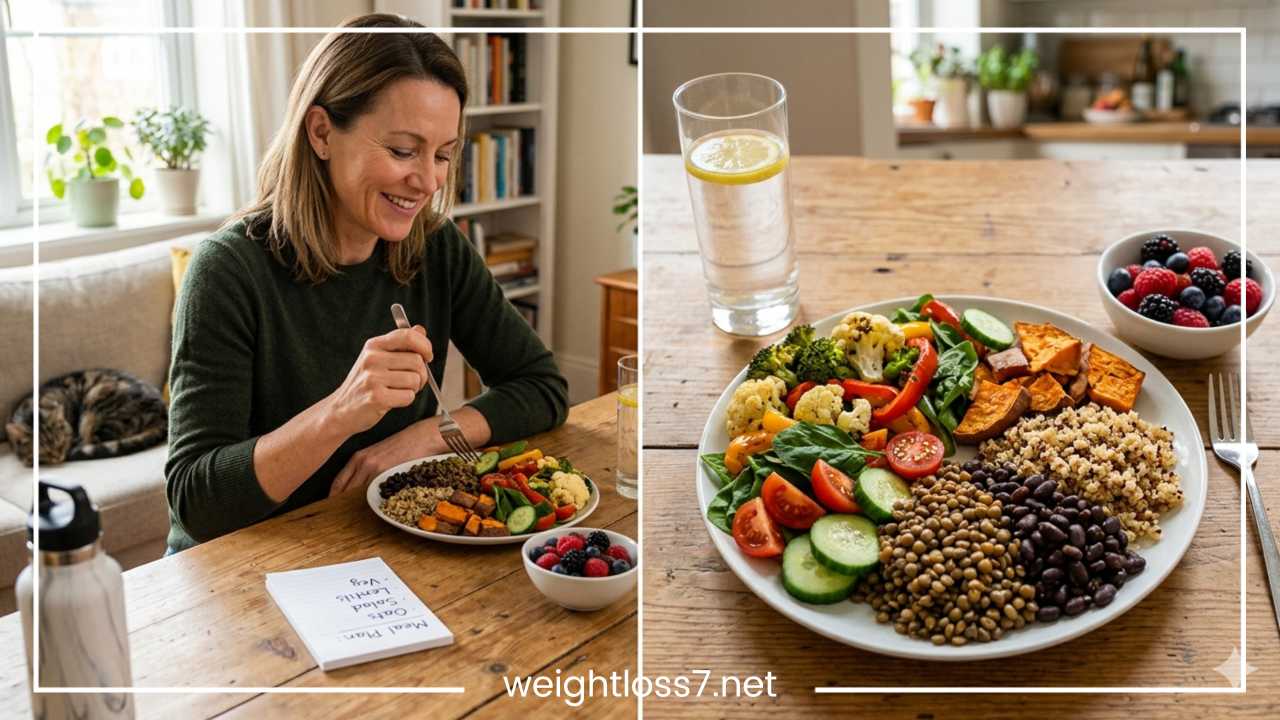
To practice mindful eating, slow down significantly while eating. Put your fork down between bites, chew your food thoroughly, and take the time to notice the flavors, textures, and aromas of your meal. Pay close attention to your body’s natural hunger and fullness signals. It takes roughly twenty minutes for your stomach to signal to your brain that it is satisfied, so pacing yourself allows this natural feedback loop to function properly. Avoid eating while distracted by screens or work, as this simple boundary helps you recognize when you are comfortably full rather than stuffed.
Control Portion Sizes
Portion control is another critical pillar of weight loss without exercise. Over the past few decades, standard serving sizes in restaurants and packaged foods have expanded dramatically, skewing our perception of what constitutes a normal portion.
Start using smaller serving portions at home, such as smaller plates and bowls, which naturally trick your brain into feeling satisfied with less food. Avoid automatically taking second servings just because food is left on the table or on your plate. Instead, wait ten to fifteen minutes after finishing your initial portion to see if you are genuinely still hungry. Learn appropriate portion awareness by familiarizing yourself with standard serving sizes for various food groups, ensuring you get the nutrients you need without accidentally consuming a surplus of calories.
Build Balanced Meals
Constructing your meals with balance in mind ensures your body receives adequate nutrition while keeping your appetite under control. A well-balanced plate should feature a colorful variety of vegetables and fruits, which provide essential fiber, vitamins, and hydration. Incorporate wholesome whole grains such as oats, brown rice, quinoa, and whole-wheat products for sustained energy. Add protein-rich foods such as beans, lentils, chickpeas, tofu, tempeh, low-fat dairy, or Greek yogurt, as protein is exceptionally effective at promoting satiety. Finally, include healthy sources of fats such as avocados, nuts, seeds, and olive oil in moderate amounts to support hormonal balance and overall health. By focusing on whole, wholesome ingredients and avoiding heavy, calorie-dense processed additives, you naturally align your meals with your weight loss goals.
Choose Foods That Keep You Full Longer
Managing hunger is perhaps the single most important factor in successful weight loss, especially when you are not exercising to burn off extra calories. When you reduce your food intake to create a calorie deficit, it is completely normal to experience shifts in appetite. However, if your diet leaves you feeling constantly starved, you will inevitably struggle with cravings and abandon your efforts. The secret to bypassing this struggle is choosing foods that naturally keep you full for longer periods.
Fiber is one of your greatest allies in this regard. Foods with a high fiber content, such as vegetables, fruits, beans, lentils, and whole grains, add physical bulk to your meals. This bulk stretches your stomach wall, triggering stretch receptors that send fullness signals to your brain. Furthermore, fiber slows down the digestion and absorption of nutrients, resulting in a gradual, steady release of energy into your bloodstream rather than a sharp spike and crash in blood sugar.
Protein is another powerhouse nutrient that heavily influences fullness. Incorporating protein sources into every meal helps regulate hunger hormones, reducing the frequency and intensity of between-meal cravings. When you combine fiber-rich carbohydrates with quality protein and healthy fats, you create meals that are deeply satisfying and sustaining.
Prioritizing nutrient-dense choices over empty calories transforms your nutritional landscape. Nutrient-dense foods deliver maximum vitamins, minerals, and antioxidants per calorie consumed. By adding more vegetables to every meal, choosing whole foods in their natural state more often, and drastically reducing your intake of highly processed foods, you nourish your body while naturally keeping your daily calorie count in check. Additionally, eliminating frequent snacking on low-nutrient, sugary, or fried packaged foods removes hundreds of hidden calories that typically sabotage weight loss efforts without providing any real satiety.
Reduce Hidden Calories Without Feeling Restricted
One of the most insidious obstacles to weight loss is the presence of hidden calories. These are extra calories that sneak into your daily diet through beverages, condiments, snacks, and oversized portions without you even realizing you are consuming them. Because they do not provide the same physical fullness as solid food, they easily bypass your body’s natural appetite regulation systems.
Common sources of extra calories include sugary beverages such as sodas, sweetened teas, specialty coffee drinks, and packaged fruit juices. A single large specialty beverage can easily contain as many calories as a small meal, yet it leaves you feeling just as hungry afterward. Frequent desserts, oversized restaurant portions, mindless snacking while watching television, and heavy, high-calorie sauces, dressings, and toppings are other major culprits.
The beauty of addressing hidden calories is that you can make meaningful changes to your total daily energy intake without feeling restricted or hungry. Healthy swaps are significantly easier to maintain than strict bans because they substitute a high-calorie item with a similarly enjoyable, lower-calorie alternative.
Consider these practical swaps:
-
Replace sugary, calorie-heavy drinks with plain water, sparkling water infused with lemon, or unsweetened herbal teas.
-
Swap packaged, processed snack chips for fresh fruit, crisp vegetable sticks with hummus, or a small handful of raw nuts.
-
Prepare meals at home more often instead of ordering takeout or dining out, allowing you to control the exact amount of oils, butter, and heavy sauces used in cooking.
-
Substitute heavy, cream-based dressings with lighter dressings made from vinegar, herbs, mustard, or lemon juice.
These small, effortless reductions accumulate over time, creating a consistent calorie deficit that drives rapid yet comfortable weight loss.
Improve Your Meal Timing And Routine
Beyond what you eat and how much you eat, when and how you structure your meals can have a profound impact on your weight loss success. Chaotic eating patterns often lead to erratic blood sugar levels, intense fatigue, and poor food choices driven by sudden, overwhelming hunger. Establishing a stable meal routine provides structure and predictability for your metabolism.
Creating regular eating patterns means establishing consistent times for your meals each day. Avoid random, haphazard eating throughout the day, as nibbling constantly prevents your body from having designated periods of rest and fat mobilization. Plan your meals ahead of time so that when hunger strikes, you have healthy, balanced options ready rather than resorting to convenient, high-calorie impulse foods.
Late-night overeating is another common hurdle that stalls weight loss progress. Often, late-night eating is not driven by physical hunger, but rather by emotional triggers, stress, boredom, or simply an established habit of snacking while relaxing in the evening. To counter this, create a calming evening routine that signals to your mind and body that eating for the day is finished. Enjoy a warm cup of herbal tea, read a book, take a relaxing bath, or engage in a hobby that keeps your hands and mind occupied.
Furthermore, preparing meals in advance is a game-changer for consistency. When you batch-cook grains, roast vegetables, and prep ingredients ahead of time, you remove the friction and effort required to assemble healthy meals during busy or tiring days. This preparation prevents unhealthy choices, saves you valuable time, and makes maintaining your weight loss routine feel effortless.
Increase Daily Movement Without Working Out
Even though this guide focuses on losing weight without structured workouts, it is important to recognize the difference between formal exercise and daily physical activity. You do not need to join a gym, run marathons, or follow grueling fitness videos to boost your calorie expenditure. Non-exercise activity thermogenesis, commonly referred to as neat, encompasses all the calories you burn through everyday movements, fidgeting, standing, walking around your home, and doing chores.
In our modern society, many of us spend hours sitting at desks, driving cars, and lounging on couches. This sedentary lifestyle drastically lowers our daily energy expenditure. Increasing your natural movement throughout the day is a powerful way to offset this without ever having to “work out.”
Consider these ways to incorporate more movement into your daily routine:
-
Walk more during your daily activities by taking extra steps whenever possible, such as parking your car farther away from store entrances or pacing while talking on the phone.
-
Take short movement breaks every hour if you have a desk job, standing up, stretching, or walking around your living space for a few minutes.
-
Use stairs instead of elevators or escalators whenever you feel comfortable doing so.
-
Stay active during household tasks by tackling chores with enthusiasm, whether it is vigorous cleaning, gardening, organizing, or washing your car.
These small movements may seem insignificant on their own, but they accumulate throughout the day, significantly increasing your total calorie burn, supporting your metabolic health, and accelerating your weight loss progress without the mental resistance associated with formal workouts.
Sleep And Weight Loss: The Connection
It is easy to view sleep as a passive state of rest that has little to do with weight loss, but scientific research consistently shows a profound connection between sleep quality, sleep duration, and body weight. When you are sleep-deprived, your body undergoes hormonal shifts that actively work against your weight loss goals.
Inadequate sleep disrupts the balance of key hormones that regulate appetite: ghrelin and leptin. Ghrelin is the hormone that stimulates your appetite, telling your body when it is time to eat, while leptin is the hormone that signals fullness and satisfaction to your brain. When you do not get enough rest, your body increases the production of ghrelin while suppressing leptin. This hormonal imbalance triggers intense cravings for high-calorie, sugary, and fatty foods while making it exceptionally difficult to feel satisfied even after eating a full meal.
Furthermore, chronic sleep deprivation leaves you feeling fatigued, which reduces your daily energy expenditure, lowers your motivation to make healthy food choices, and makes you more susceptible to emotional eating.
To harness the power of sleep for weight loss, prioritize establishing healthy sleep hygiene:
-
Maintain regular sleeping hours by going to bed and waking up at the same time every single day, even on weekends.
-
Reduce screen time from phones, tablets, and televisions at least an hour before bed, as the blue light emitted by these devices interferes with your natural production of melatonin, the sleep hormone.
-
Create a relaxing nighttime routine that prepares your mind for rest, such as dimming the lights, keeping your bedroom cool and quiet, and practicing relaxation breathing.
Getting seven to nine hours of quality sleep each night provides your body with the recovery it needs to regulate hunger hormones, balance metabolism, and keep your weight loss journey on track.
Manage Stress To Support Weight Loss
Stress is an unavoidable part of modern life, but how you manage it plays a direct role in your ability to lose weight. When you experience chronic stress, your body releases a hormone called cortisol. While cortisol is essential for survival in short bursts, persistently elevated levels can sabotage your weight loss efforts in multiple ways.
High cortisol levels encourage the body to store visceral fat, particularly around the abdominal area. Additionally, stress frequently triggers emotional or stress-related eating. Many people turn to food as a coping mechanism to soothe anxious feelings, boredom, frustration, or sadness. Foods chosen during times of stress are almost universally high in sugar, fat, and salt, providing a temporary burst of comfort that activates the brain’s reward centers but derails your calorie deficit.
Managing daily stress effectively is therefore a crucial component of losing weight without exercise. By finding healthy ways to process emotions and calm your nervous system, you reduce the likelihood of turning to food for comfort.
Consider these practical stress-management techniques:
-
Practice daily meditation or mindfulness to center your thoughts and reduce acute anxiety.
-
Incorporate deep breathing exercises into your day, taking slow, deliberate breaths whenever you feel overwhelmed.
-
Maintain a journal to process your thoughts, express gratitude, and release mental clutter at the end of the day.
-
Dedicate time to relaxing activities and hobbies that bring you genuine joy, whether it is reading, listening to music, spending time in nature, or enjoying a creative pursuit.
By keeping stress levels manageable, you protect your body from cortisol-driven fat storage and eliminate emotional eating triggers, creating a smoother path to your weight loss goals.
Stay Hydrated To Support Your Goals
Water is essential for virtually every single function in the human body, yet proper hydration is frequently overlooked as a weight loss tool. Staying adequately hydrated supports normal metabolic processes, optimizes digestion, and ensures your body operates efficiently.
One of the most common reasons hydration is crucial for weight loss is the frequent confusion between thirst and hunger. The brain regions that regulate thirst and hunger are located right next to each other, and the signals they send can easily be misinterpreted. Mild dehydration is frequently perceived by the body as a sudden craving for food, leading people to consume unnecessary calories when what their body actually needed was a glass of water.
Drinking enough water throughout the day helps you distinguish between true physical hunger and thirst, preventing mindless snacking and unnecessary calorie intake. Furthermore, drinking a large glass of water shortly before meals can help promote a mild feeling of fullness, naturally leading to smaller portion sizes during the meal.
To maintain optimal hydration:
-
Keep a reusable water bottle with you wherever you go, serving as a visual reminder to sip regularly.
-
Drink water consistently throughout the day rather than trying to chug large amounts all at once.
-
Choose water as your primary beverage, entirely replacing high-calorie sodas, juices, and sweetened teas.
By making hydration a daily priority, you support your metabolism, control your appetite, and enhance your overall well-being.
Common Mistakes That Slow Weight Loss Without Exercise
Embarking on a weight loss journey without exercise is entirely achievable, but pitfalls exist that can stall your progress or leave you feeling frustrated. Recognizing these common mistakes allows you to sidestep them and maintain steady momentum.
Skipping Meals
A very common mistake is skipping meals in an attempt to slash calories quickly. While eating less seems like a logical shortcut, skipping meals usually backfires dramatically. Going too long without food causes your blood sugar to plummet, triggering intense, uncontrollable biological cravings later in the day. When you finally do eat after starving yourself, your brain overrides your willpower, frequently leading to overeating and consuming far more calories than you would have eaten across regular, balanced meals.
Following Extreme Restrictions
Another major error is adopting extreme restrictions, such as cutting out entire macro-nutrient groups or drastically dropping calories to extremely low levels. While this may produce rapid weight loss in the first few days, it is completely unsustainable. Extreme restrictions disrupt your metabolism, drain your energy, cause muscle breakdown, and inevitably lead to burnout and binge eating. Sustainable weight loss relies on moderation, not deprivation.
Depending On Quick Fixes
Many people fall into the trap of depending on quick fixes, such as detox teas, fad diet pills, or miracle powders marketed as instant solutions. These products do not address the foundational habits of nutrition and lifestyle. Any weight lost through quick fixes is almost always temporary water weight or muscle mass, and the results never last once the product is stopped.
Ignoring Sleep And Stress
Ignoring lifestyle factors like sleep and stress is a critical oversight. As discussed earlier, poor sleep and high cortisol levels directly interfere with your body’s ability to regulate hunger and burn fat. You can have the most dialed-in nutrition plan in the world, but if you sleep four hours a night and live in a state of chronic panic, your weight loss will stall.
Expecting Overnight Results
Finally, expecting overnight results is a recipe for discouragement. Healthy, sustainable weight loss takes time, patience, and consistency. Your weight will naturally fluctuate day to day due to water retention, digestion, and hormonal shifts. Focusing on weekly trends rather than daily scale numbers, and celebrating non-scale victories like increased energy, better-fitting clothes, and improved mood, keeps you motivated for the long haul.
A Simple Daily Routine For Weight Loss Without Working Out
To bring all these concepts together into a clear, actionable format, let us look at what a practical daily routine for weight loss without exercise looks like in real life. This routine integrates mindful eating, hydration, stress management, and daily movement into a seamless flow.
Morning
Your morning sets the tone for the rest of the day.
-
Start your day by drinking a large glass of water to rehydrate your body after a night of rest.
-
Eat a balanced breakfast that combines protein, fiber, and healthy fats, such as a bowl of oatmeal topped with berries, seeds, and a scoop of plant-based protein or Greek yogurt.
-
Begin the day with mindful choices by taking a few moments to set a positive intention and plan your meals for the day ahead, avoiding rushed, chaotic decisions.
Afternoon
The afternoon is often when energy dips and cravings strike, making it a critical window for maintaining your routine.
-
Enjoy a balanced lunch featuring a generous portion of vegetables, a wholesome whole grain, and a quality protein source like lentils, beans, or tofu.
-
Stay hydrated by sipping water throughout the afternoon, keeping a water bottle at your workspace.
-
Avoid unnecessary snacking by stepping away from your workspace for a short movement break, taking a brisk five-minute walk around your home or office to refresh your mind and boost your daily neat.
Evening
Evening hours require careful management to prevent mindless grazing and late-night overeating.
-
Choose a light, satisfying meal for dinner, focusing heavily on fiber-rich vegetables and lean proteins while keeping heavy, refined carbohydrates to a moderate level.
-
Engage in your relaxation routine, whether it is reading a book, practicing gentle stretching, or listening to calming music, to transition out of work mode and decompress.
-
Avoid emotional eating by recognizing whether you are physically hungry or simply seeking comfort, turning to herbal tea or a relaxing hobby instead of raiding the pantry.
Night
Proper nighttime preparation ensures you get the restorative sleep your metabolism needs.
-
Wind down without screens, turning off phones and televisions at least an hour before sleep.
-
Prepare your sleeping environment by keeping your bedroom dark, quiet, and cool.
-
Maintain a consistent sleep schedule by heading to bed at your designated time, allowing your body to rest, recover, and balance its hunger hormones for the following day.
Final Thoughts: The Fastest Sustainable Way To Lose Weight Without Working Out
Losing weight without structured exercise is not only possible; for many people, it is the most practical and sustainable way to achieve long-term health and wellness. By shifting your primary focus toward food quality, appropriate portion sizes, and mindful eating habits, you can create the calorie deficit necessary for fat loss without ever needing to step foot in a gym.
Remember that the fastest sustainable way to lose weight is built on consistency rather than extreme restriction. By prioritizing whole, nutrient-dense foods that keep you full, eliminating hidden calorie traps in beverages and snacks, and structuring your meals thoughtfully, you make healthy eating effortless.
Furthermore, supporting your journey with daily natural movement, proper hydration, restorative sleep, and effective stress management creates a holistic foundation for wellness. Avoid extreme approaches and quick fixes that promise overnight miracles. Instead, embrace small, positive changes made every single day. Those consistent actions compound over time, delivering lasting results, vibrant energy, and a healthier relationship with your body that will serve you for a lifetime.
Frequently Asked Questions
Can I lose weight fast just by changing what I eat without exercising?
Yes, weight loss is primarily driven by your daily calorie balance rather than structured exercise. When you consume fewer calories than your body expends through its baseline functions and daily routine, you create a calorie deficit that leads to weight loss. By focusing on portion control, reducing hidden calories from beverages and processed snacks, and choosing nutrient-dense, fiber-rich foods, you can achieve steady and noticeable weight loss entirely through dietary adjustments.
What are the best foods to eat to stay full while losing weight without a gym routine?
Foods high in dietary fiber and lean protein are the most effective for controlling hunger during weight loss. Excellent options include vegetables, fruits, beans, lentils, chickpeas, whole grains like oats and brown rice, and healthy fats like avocados, nuts, and seeds. These foods add physical volume to your meals, slow down digestion, and stabilize blood sugar levels, which naturally prevents overeating and curbs between-meal cravings.
How can I stop late-night snacking if I am trying to lose weight without working out?
Late-night snacking is often driven by emotional triggers, boredom, or an established evening habit rather than true physical hunger. To curb late-night eating, establish a calming evening routine such as drinking a warm cup of herbal tea, reading a book, or taking a relaxing bath to signal to your brain that eating for the day is finished. Additionally, ensuring your dinner contains adequate protein and fiber will keep you physically satisfied and prevent late-night cravings.
Does lack of sleep really affect weight loss if I am already controlling my diet?
Yes, chronic sleep deprivation significantly hinders weight loss by disrupting the hormones that regulate appetite. When you do not get enough sleep, your body increases production of ghrelin, the hormone that stimulates hunger, while decreasing leptin, the hormone that signals fullness. This hormonal imbalance makes it much harder to stick to healthy food choices and increases cravings for sugary, high-calorie foods, even if your daytime nutrition plan is well-structured.
How do hidden calories slow down weight loss when you are not exercising?
Hidden calories refer to extra energy that slips into your diet unnoticed through sugary beverages, heavy sauces, dressings, oversized portions, and mindless snacking. Because these items do not trigger the same fullness signals as solid, whole foods, they can easily push you out of a calorie deficit without you realizing it. Eliminating these hidden calorie traps through simple swaps, like drinking water instead of soda or preparing meals at home, can accelerate your weight loss progress without requiring strict dietary deprivation.