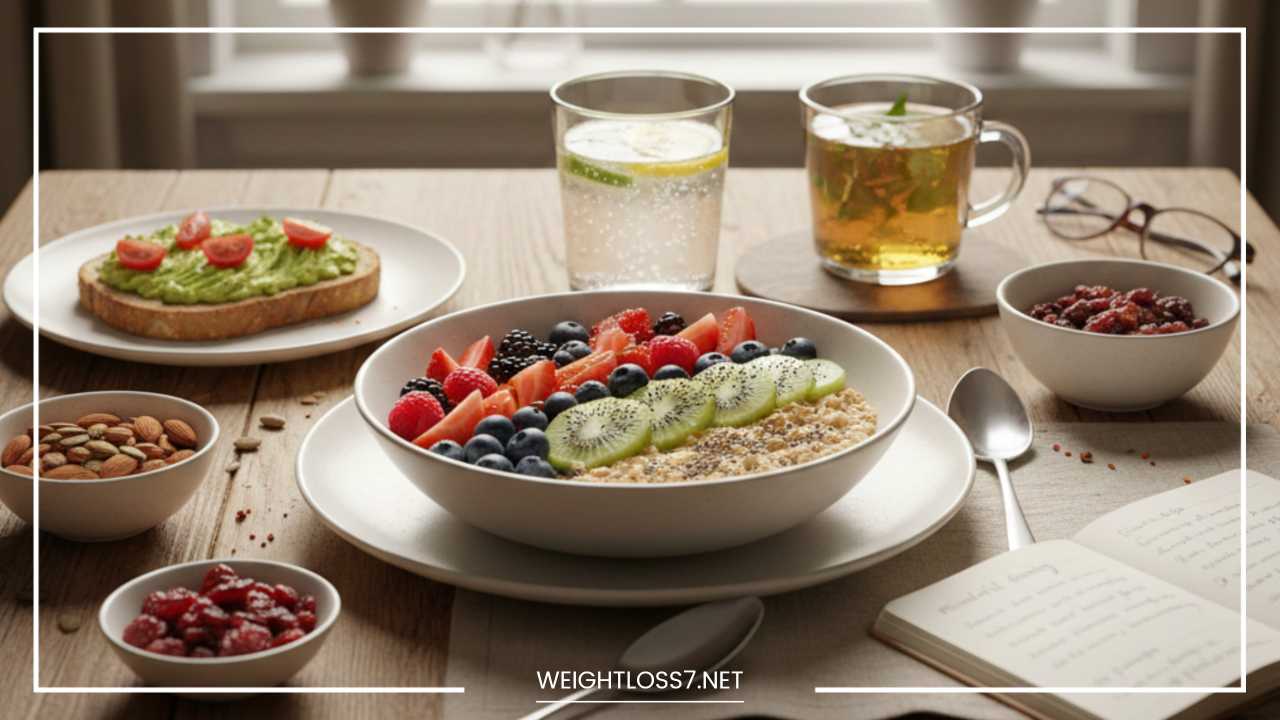
How Can I Lose Weight Healthy


How Can I Lose Weight Healthy: A Comprehensive Guide to Sustainable Wellness
The journey toward a healthier weight is often depicted as a battle—a grueling marathon of restriction, exhaustion, and willpower. However, the most successful transformations aren’t born from temporary battles, but from a fundamental shift in how we relate to our bodies and our daily habits. Healthy weight loss is not a sprint toward a lower number on the scale; it is the process of aligning your lifestyle with your body’s natural needs.
In this guide, we will explore how to achieve weight loss through balance, mindfulness, and consistency. By focusing on whole foods, movement, and mental well-being, you can reach your goals without sacrificing your health or happiness. This approach avoids the pitfalls of fad dieting and focuses on the universal biological principles that govern human health.
Understanding Healthy Weight Loss
When people ask, “How can I lose weight healthy?” they are usually looking for a way to shed pounds without feeling depleted. Healthy weight loss is defined by sustainability. If a method cannot be maintained for years, it is likely not a healthy approach.
What It Really Means
Healthy weight loss involves losing body fat while preserving lean muscle mass and maintaining high energy levels. It means nourishing your body with the nutrients it needs to function optimally while creating a gentle energy deficit. Typically, a rate of 0.5 to 1 kilogram (1 to 2 pounds) per week is considered safe and sustainable. Losing weight faster than this often results in the loss of water weight and muscle tissue rather than actual body fat.
The Problem with Quick Fixes
The modern world is full of “miracle” solutions—teas, supplements, and extreme restriction plans. These often fail because they ignore the biological reality of the human body. When you restrict too severely, your body enters a protective state, often referred to as “starvation mode,” where it slows down your metabolism and increases hunger hormones to ensure survival. This leads to the “yo-yo” effect, where any weight lost is quickly regained once normal eating patterns resume.
Shifting the Focus
Instead of focusing solely on the scale, prioritize biomarkers of health: better sleep, stable energy levels, improved digestion, and increased strength. When these improve, weight loss often follows as a natural byproduct of a healthier system. Think of weight loss as a side effect of a body that is finally getting what it needs.
How Weight Loss Actually Works
To navigate the world of health advice, you must understand the basic science of energy and how the human body processes it.
Energy Balance
At its simplest level, weight management is governed by energy balance. This is the relationship between the energy you consume (calories) and the energy your body uses to stay alive and move.
-
Energy Surplus: You consume more than you burn (weight gain).
-
Energy Deficit: You burn more than you consume (weight loss).
-
Energy Maintenance: You consume exactly what you burn (weight stays the same).
While “calories in vs. calories out” is the foundational law, it is important to remember that the quality of those calories dictates how easy it is to maintain that balance. Five hundred calories of fiber-rich vegetables will leave you feeling much more satisfied and energized than five hundred calories of refined sugar.
The Role of Metabolism
Metabolism is not just a “speed” set at birth. It is the sum of all chemical reactions in your body. Your Basal Metabolic Rate (BMR) is the energy required to keep your heart beating, brain functioning, and lungs breathing while at rest. Factors like muscle mass, age, and activity level influence this. Interestingly, muscle tissue is more metabolically active than fat tissue. This means that as you build strength, your body naturally burns more energy even when you are sleeping.
Why Consistency Trumps Perfection
The body thrives on patterns. A massive calorie deficit on Monday followed by overeating on Tuesday confuses your hunger signals and can lead to metabolic adaptation. A moderate, consistent approach allows your hormones—like insulin and ghrelin—to stabilize, making it much easier to stick to your goals over the long term.
Building a Balanced Eating Pattern
What you eat is the foundation of your health. A balanced approach doesn’t require complex formulas or expensive “superfoods”; it requires a return to whole, minimally processed ingredients.
The Power of Fiber
Fiber is a vital tool for weight loss. Found in fruits, vegetables, whole grains, and legumes, fiber adds bulk to your meals without adding many calories. It slows digestion, which keeps you feeling full longer and prevents the blood sugar spikes that lead to subsequent crashes and cravings.
-
Whole Grains: Opt for oats, quinoa, brown rice, and whole-wheat varieties. These provide sustained energy.
-
Legumes: Lentils, chickpeas, and beans are excellent sources of both fiber and protein, making them incredibly satiating.
Healthy Fats
Many people mistakenly cut out all fats when trying to lose weight. However, healthy fats are essential for hormone production, brain health, and the absorption of certain vitamins (A, D, E, and K). They also provide a sense of satiety that keeps you from snacking between meals.
-
Sources: Avocados, nuts (almonds, walnuts, cashews), seeds (chia, flax, pumpkin), and high-quality oils like olive oil or avocado oil.
Smart Portion Control
You don’t need to weigh every gram of food to lose weight. Use your plate as a visual guide to ensure you are getting a diversity of nutrients:
-
Half the plate: Non-starchy vegetables (leafy greens, broccoli, peppers, carrots, zucchini).
-
One-quarter: Complex carbohydrates (sweet potatoes, whole grains, corn).
-
One-quarter: Protein-rich plant-based foods (beans, lentils, tofu, tempeh).
-
A small portion: Healthy fats (a slice of avocado or a sprinkle of nuts).
Regular Meals vs. Skipping
Skipping meals often backfires. It leads to intense hunger later in the day, which frequently results in impulsive, high-calorie food choices or binge eating at night. Eating regular, balanced meals keeps your blood sugar stable and your energy consistent throughout the day.
Smart Eating Habits That Support Weight Loss
How you eat is often just as important as what you eat. Our modern environment encourages mindless consumption, but we can reclaim control through awareness and intentionality.
Mindful Eating
Mindful eating is the practice of being fully present during a meal. It allows you to actually taste your food and recognize the biological signals of fullness.
-
Slow Down: It takes about 20 minutes for your brain to receive the signal from your stomach that you are full. If you eat in five minutes, you will likely overeat before your brain can tell you to stop.
-
Remove Distractions: Put away the phone, close the laptop, and turn off the television. Focus on the flavors, textures, and aromas of your food.
-
The Hunger Scale: Before eating, ask yourself on a scale of 1 to 10 how hungry you are. Aim to eat when you are at a 3 (hungry but not starving) and stop when you are at a 7 (satisfied but not stuffed).
Hydration
The body often confuses thirst for hunger. Drinking water throughout the day helps maintain metabolic function and can significantly reduce the amount of food you consume during meals.
-
The Strategy: Try drinking a glass of water 20 minutes before a meal. This can help you feel more satisfied with a standard portion size.
-
Swap Sugary Drinks: Replace sodas, sweetened teas, and “energy” drinks with water, herbal tea, or sparkling water with a splash of lemon or lime. Liquid calories are often “empty,” meaning they provide energy without any feeling of fullness.
Meal Planning
Decision fatigue is a real obstacle to weight loss. By the end of a long workday, your willpower is low, and the easiest choice is often the least healthy one. Planning your meals for the week—or even just prepping ingredients for the next day—removes the need to make difficult choices when you are tired and hungry.
Physical Activity for a Healthy Body
Movement is the partner to nutrition. While you can lose weight through diet alone, exercise ensures that your body stays functional, strong, and mentally resilient.
Daily Movement (NEAT)
Non-Exercise Activity Thermogenesis (NEAT) refers to the energy burned through daily movement that isn’t formal exercise. This includes walking to the store, cleaning the house, gardening, or taking the stairs. Increasing your NEAT is often more effective for long-term weight management than a single hour at the gym because it keeps your metabolism active throughout the day.
Strength-Building Activities
Strength training is vital for a healthy metabolism. As mentioned, muscle tissue burns more energy than fat tissue. Engaging in resistance training ensures that the weight you lose comes from fat stores rather than muscle.
-
Bodyweight Exercises: Squats, lunges, push-ups, and planks are great starting points that require no equipment.
-
Resistance: Using bands or weights helps challenge the muscles, improve bone density, and shape the body.
Cardiovascular Health
Cardiovascular exercise (walking, cycling, swimming, or dancing) is excellent for heart health and increasing your daily energy expenditure. The key is to find something you enjoy. If you hate running, don’t force yourself to do it. If you love hiking or dancing in your living room, do more of that. Consistency comes from enjoyment, not from punishment.
Sleep and Stress Management
Weight loss is not just about what happens in the kitchen and the gym; it’s also about what happens in your nervous system.
The Sleep Connection
Sleep deprivation is a major, often overlooked driver of weight gain. When you don’t sleep enough, your body undergoes hormonal shifts:
-
Ghrelin (the hunger hormone) increases, making you feel hungrier.
-
Leptin (the fullness hormone) decreases, making it harder to feel satisfied.
-
The brain’s reward centers become more active, causing you to crave high-calorie, sugary foods for quick energy.
Aim for 7 to 9 hours of quality sleep to keep your hormones in balance and your willpower intact.
Stress and Cortisol
Chronic stress triggers the release of cortisol, a hormone that encourages the body to store fat, particularly around the midsection. Stress also leads to “emotional eating,” where food is used as a tool to soothe anxiety or provide comfort.
-
Management Techniques: Simple habits like five minutes of deep breathing, a daily walk in nature, a creative hobby, or regular meditation can significantly lower cortisol levels and reduce the urge to eat for emotional reasons.
Common Mistakes That Slow Down Progress
Many well-intentioned people hit plateaus because of common misconceptions about how the body works.
Extreme Restriction
Cutting calories too low (typically below 1,200 for most adults) causes the body to break down its own muscle for energy. This lowers your BMR, making it harder to lose weight in the future and setting you up for rapid weight regain the moment you eat a normal amount of food.
Relying on Low-Fat or Diet Products
Often, when manufacturers remove fat or sugar, they add artificial thickeners, chemical sweeteners, or extra salt to maintain flavor. These highly processed products can disrupt your gut microbiome and leave you feeling less satisfied than whole-food alternatives. Stick to real food whenever possible.
Overestimating Exercise
A common pitfall is “eating back” the calories burned during a workout. Most fitness trackers and gym machines significantly overestimate the calories burned during exercise. It is better to view exercise as a tool for health, strength, and mood, rather than a “permission slip” to eat processed treats.
Lack of Patience
We live in an age of instant gratification, but real physiological change takes time. Many people quit after two or three weeks because they don’t see a massive change on the scale, not realizing that internal health benefits—like improved insulin sensitivity and cardiovascular health—are already taking place.
Building Sustainable Daily Habits
Transformation happens in the small moments of every day. To make weight loss permanent, you must turn healthy actions into automatic habits that require no willpower.
Start Small
Instead of trying to overhaul your entire life on a Monday morning, pick two small changes. Perhaps you commit to drinking more water and walking for 15 minutes. Once those feel like a natural part of your day, add another habit, like adding a serving of leafy greens to your dinner. Small, incremental wins build the confidence needed for long-term success.
Track Progress Beyond the Scale
The scale is a fickle tool. It measures water weight, muscle mass, and even inflammation from a tough workout. To stay motivated, track Non-Scale Victories (NSVs):
-
Are your clothes fitting more comfortably?
-
Do you have more energy in the afternoon?
-
Is your mood more stable throughout the week?
-
Are you sleeping better?
-
Can you lift heavier objects or walk further without getting winded?
Set Realistic Goals
“I want to lose 20 kilograms” is an outcome, not a goal you can control today. “I will eat a healthy, home-cooked dinner four nights this week” is a behavioral goal. Focus on the behaviors you can control, and the outcomes will naturally follow.
Staying Motivated on the Journey
Motivation is a feeling, and feelings are fleeting. To succeed, you need a system and a mindset that persists even when motivation disappears.
Expect Ups and Downs
Progress is rarely a straight line. There will be weeks where the scale doesn’t move or where you indulge in a large meal at a celebration. This is not “failure.” It is simply life. The difference between those who succeed and those who don’t is the ability to get back on track at the very next meal, rather than letting one mistake turn into a “lost” weekend or month.
Create a Supportive Environment
Your environment often dictates your choices. If your pantry is full of highly processed snacks, you will eventually eat them when your willpower is low. If your fruit bowl is visible and your walking shoes are by the door, you are setting yourself up for success. Design your surroundings to make the healthy choice the easy choice.
Don’t Compare Your Journey to Others
Everyone’s body, genetics, and lifestyle are different. Some people lose weight quickly at first, while others see a slower, more gradual change. Focus on being a slightly healthier version of yourself than you were yesterday. Comparison is the thief of joy and the enemy of progress.
Final Thoughts: A Long-Term Approach
Healthy weight loss is ultimately a journey toward self-respect. It is about nourishing your body because it deserves to feel good, not punishing it for how it looks in the mirror. When you treat your body with kindness—giving it movement, rest, and high-quality fuel—it will respond in kind.
By focusing on whole, nutrient-dense foods, prioritizing movement, and managing your sleep and stress, you aren’t just losing weight; you are gaining a higher quality of life. Be patient with yourself. Celebrate your progress, no matter how small it seems. The goal is not perfection; it is a balanced, vibrant life that you can enjoy for years to come.
Remember that health is a lifelong practice. There is no finish line where you can stop caring for yourself. Instead, use this journey to discover which healthy habits make you feel your best, and weave them into the fabric of your life until they become who you are.
The Science of Satiety and Hunger
To lose weight without feeling hungry, it is helpful to understand how satiety works. Satiety is the feeling of being full and satisfied after a meal. Three main factors contribute to this:
-
Volume: Foods high in water and fiber (like leafy greens and soups) stretch the stomach, sending mechanical signals to the brain that you are full.
-
Nutrient Density: When your body receives the vitamins and minerals it needs, your brain is less likely to send “hunger” signals shortly after a meal.
-
Digestive Speed: Protein and healthy fats take longer to break down than simple carbohydrates, meaning they stay in your system longer and provide a slower release of energy.
By structuring your meals around these three pillars, you can achieve an energy deficit while still feeling satisfied.
The Importance of Gut Health
Recent research has shown that the trillions of bacteria living in our digestive system (the microbiome) play a massive role in weight management. A healthy, diverse microbiome helps regulate metabolism, reduces inflammation, and can even influence your cravings. To support your gut:
-
Eat a wide variety of colorful vegetables to provide different types of fiber for your bacteria.
-
Include fermented foods like kimchi or sauerkraut, which provide natural probiotics.
-
Avoid excessive artificial sweeteners and highly processed additives, which can disrupt the delicate balance of your gut flora.
Overcoming the Plateau
Almost everyone hits a plateau—a period where weight loss stops despite your best efforts. This is a normal part of the process. Your body is a highly adaptive machine, and it sometimes needs time to recalibrate its metabolic rate to its new, lower weight. If you hit a plateau:
-
Don’t drop calories further. Instead, try changing your exercise routine to “surprise” your muscles, or focus on increasing your daily step count.
-
Check your stress levels. If you are working out too hard and not sleeping enough, your body may be holding onto weight due to high cortisol.
-
Be patient. Sometimes the body needs two or three weeks to adjust to its “new normal” before it continues to drop body fat. Keep your habits consistent, and the scale will eventually move.
By following these evergreen principles, you are not just following a diet; you are building a foundation for a long, healthy, and energetic life. Weight loss is the result of a thousand small, healthy decisions made over time. Start today with just one.
Frequently Asked Questions About Healthy Weight Loss
How can I lose weight fast without exercise?
While physical activity is a pillar of long-term health, it is possible to lose weight primarily through nutritional changes. The key is creating a sustainable energy deficit by focusing on high-volume, low-calorie foods. Increasing your intake of leafy greens, cruciferous vegetables, and water-rich fruits allows you to eat satisfying portions while consuming fewer calories. Additionally, prioritizing fiber-rich legumes and whole grains helps maintain fullness. However, incorporating even light movement, like daily walking, significantly supports metabolic health and mood during the process.
What are the best snacks for weight loss at night?
The best nighttime snacks are those that combine fiber with a small amount of healthy fat to stabilize blood sugar and prevent waking up hungry. Ideal options include a small bowl of berries with a few walnuts, sliced cucumber with a tablespoon of hummus, or an apple with a small amount of almond butter. The goal is to avoid high-sugar snacks that can cause an insulin spike and disrupt your sleep cycle, which is crucial for weight management.
How much water should I drink a day to lose weight?
Hydration requirements vary based on activity level and climate, but a general guideline is to aim for roughly 2 to 3 liters per day. Water supports weight loss by aiding digestion and helping the body process stored fat efficiently. Many people find success by drinking a full glass of water 20 minutes before meals, which naturally encourages portion control. Replacing all caloric beverages like soda or sweetened juice with water is one of the most effective ways to reduce daily energy intake without feeling deprived.
Why am I not losing weight even though I eat healthy?
This is a common frustration and often stems from a few hidden factors. First, even healthy foods like nuts, seeds, and avocados are energy-dense, and consuming them in large quantities can stall progress. Second, a lack of sleep or high chronic stress can keep cortisol levels elevated, signaling the body to hold onto fat. Finally, you may be experiencing a “plateau,” where your body has adapted to your current routine. In this case, focusing on non-scale victories like increased energy or better-fitting clothes is essential while your metabolism recalibrates.
Can you lose weight by only eating vegetables and fruits?
While fruits and vegetables are essential components of a weight loss plan, a balanced approach requires other nutrients to be sustainable. Your body needs healthy fats for hormone production and brain health, as well as complex carbohydrates and plant-based proteins (like beans and lentils) to maintain muscle mass and keep you satisfied. Relying solely on fruit and vegetables may lead to energy crashes and intense cravings. A diverse plate ensures you get the full spectrum of vitamins and minerals needed for a healthy metabolism.
How does stress affect belly fat and weight gain?
When you are stressed, your body enters a “fight or flight” mode, releasing the hormone cortisol. High levels of cortisol over a long period can increase appetite and specifically encourage the storage of visceral fat around the midsection. Furthermore, stress often leads to emotional eating as a way to cope with discomfort. Managing stress through deep breathing, regular movement, and adequate rest is just as important for weight loss as what you put on your plate.
Is it okay to have a cheat meal while trying to lose weight?
Instead of “cheat meals,” which can imply a negative relationship with food, it is better to think in terms of flexibility and balance. Allowing yourself to enjoy a favorite food in moderation prevents the feelings of deprivation that lead to binging. A healthy approach is the 80/20 rule: focus on nutrient-dense, whole foods 80% of the time, and allow for flexibility the other 20%. This makes the lifestyle sustainable for the long term rather than a temporary restriction.
What is the healthiest way to lose 10 pounds in a month?
Losing 10 pounds (approximately 4.5 kg) in a month is an ambitious goal that requires a dedicated but balanced approach. To do this healthily, focus on eliminating all processed sugars and refined flours, increasing your daily steps significantly, and ensuring you get 8 hours of sleep. Prioritize large servings of vegetables at every meal and stay consistently hydrated. While the scale may move quickly at first due to reduced inflammation and water weight, the most important part is establishing habits that will keep the weight off once the month is over.
How can I stop sugar cravings naturally?
Sugar cravings are often a sign that your blood sugar is fluctuating or that you aren’t eating enough fiber and healthy fats. To reduce cravings naturally:
-
Eat a balanced breakfast with fiber and healthy fats to set a stable tone for the day.
-
Stay hydrated, as dehydration is often mistaken for a sugar craving.
-
Incorporate natural sweetness from whole fruits like berries or citrus.
-
Ensure you are getting enough magnesium-rich foods like pumpkin seeds and leafy greens, as a deficiency can sometimes trigger cravings for sweets.
Does walking help in losing weight and fat?
Absolutely. Walking is one of the most underrated tools for weight loss. It is a low-impact form of exercise that can be done consistently without requiring significant recovery time. Walking helps increase your daily energy expenditure and is particularly effective at lowering stress levels, which in turn helps manage cortisol and belly fat. Aiming for a consistent daily step goal—whatever is a challenge for your current fitness level—can make a profound difference over several months.