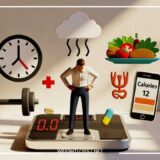
You Lose Weight Faster With These Simple Changes


You Lose Weight Faster With These Simple Changes
The journey toward a healthier weight is often portrayed as an uphill battle, a grueling test of willpower that requires extreme deprivation and exhaustive physical labor. We are bombarded with advertisements for “miracle” pills, restrictive 30-day challenges, and intense workout programs that promise overnight transformations. However, the reality of sustainable weight loss is much quieter and far more manageable. The most effective way to see results that actually last is not through drastic, unsustainable shifts, but through the compounding power of simple, daily changes.
Weight loss does not have to be a source of constant stress. In fact, when we approach it with a mindset of restriction and punishment, we often trigger a cycle of burnout and rebound. Common myths suggest that “quick” weight loss is the only type worth pursuing, leading many to believe that if they aren’t losing several pounds a week, they are failing. This couldn’t be further from the truth. Real, lasting change happens when we shift our focus from “losing weight fast” to “building a lifestyle that supports health.”
What does “faster” really mean in this context? It doesn’t mean finding a shortcut that bypasses the laws of biology. Instead, it means reaching your goals more efficiently by avoiding the common pitfalls of the “yo-yo” dieting cycle. By implementing small, consistent habits, you stop moving three steps forward and two steps back. You create a steady momentum that carries you toward your goal without the mental exhaustion of a “crash” program. This article explores how improving your daily habits—from hydration and sleep to movement and mindfulness—can create a synergy that makes weight loss feel more natural and less like a chore.
Understanding How Weight Loss Works
To make progress, it is helpful to understand the underlying mechanics of how our bodies manage weight. At its most basic level, weight management is an expression of energy balance. Our bodies require energy to perform every function, from beating our hearts to walking across a room. This energy comes from the foods and drinks we consume. When we consistently provide our bodies with slightly less energy than they expend, the body taps into its stored energy reserves, resulting in weight loss.
However, this equation is not as rigid as a mathematical formula on a chalkboard. It is influenced by hormones, stress levels, genetics, and metabolic health. This is why short-term, high-effort attempts often fail; they ignore the biological reality that the body likes stability. When we make sudden, extreme changes, the body may respond by increasing hunger signals or slowing down energy expenditure to protect itself. If you cut your intake too drastically, your body may interpret this as a period of scarcity, making it much harder to shed weight and much easier to regain it later.
This is why daily habits are significantly more powerful than short-term efforts. A person who walks for twenty minutes every day and chooses water over soda will see better long-term results than someone who spends two weeks on a crash diet and then returns to their old habits. Progress looks different for everyone. Factors like your starting point, your age, and your daily activity level mean that your journey will be unique to you. Someone with a very active job will have different requirements than someone who sits at a desk all day.
The most important tool you can bring to this process is patience. Realistic expectations are the foundation of success. If you focus solely on the number on the scale, you might miss the other signs of progress, such as improved energy, better fitting clothes, or a more stable mood. When you prioritize health and well-being, weight loss becomes a natural byproduct of a life well-lived, rather than a stressful target you are constantly chasing. By understanding that your body is a complex biological system rather than a simple machine, you can work with it rather than against it.
You Lose Weight Faster When You Improve Daily Eating Habits
Improving your eating habits is not about following a list of forbidden foods; it is about creating a pattern of nourishment that supports your body’s needs. One of the simplest changes you can make is establishing a routine of regular, balanced meals. When we skip meals, particularly breakfast or lunch, we often find ourselves overly hungry by the evening. This extreme hunger makes it much harder to make mindful choices, often leading to overeating in the latter half of the day. By eating at consistent intervals, you keep your energy levels stable and reduce the likelihood of impulsive snacking on high-sugar foods that provide only a temporary energy boost.
The quality of what we eat matters just as much as the quantity. Choosing whole, minimally processed foods is a foundational habit for weight loss. These foods—such as whole grains, legumes, vegetables, and fruits—tend to be more nutrient-dense and satisfying. Because they haven’t been stripped of their natural components, they provide the vitamins and minerals your body needs to function optimally. Processed foods are often engineered to be “hyper-palatable,” meaning they are very easy to overeat. By sticking to whole foods, you naturally align your intake with your body’s true hunger signals.
Fiber is perhaps the most underrated tool in the weight loss toolkit. Found in abundance in beans, lentils, oats, and a wide variety of produce, fiber adds bulk to your meals without adding significant calories. It slows down digestion, which helps you feel full for longer and prevents the rapid spikes and crashes in blood sugar that can lead to cravings. You don’t need to follow a specific “diet” to benefit from fiber; you simply need to make it a point to include a source of it at every meal. For example, adding a handful of spinach to a soup or choosing brown rice over white rice can significantly increase your fiber intake.
Portion awareness is another area where simple changes yield big results. You don’t necessarily need to carry a scale or measuring cups everywhere you go. Instead, try using smaller plates or simply being mindful of the ratio of foods on your plate. Aim to fill a significant portion of your plate with vegetables, which provides volume and nutrition while keeping the overall energy density of the meal in check. When you look at your plate, half of it should ideally be colorful produce. This allows you to eat a satisfying volume of food while maintaining a healthy energy balance.
Finally, the habit of eating slowly is a game-changer. It takes approximately twenty minutes for your brain to receive the signal from your stomach that you are full. In our fast-paced world, many of us finish a meal in five or ten minutes, meaning we have already overeaten by the time the “fullness” signal arrives. By chewing thoroughly and pausing between bites, you give your body the time it needs to communicate its needs to you. This simple practice can lead to a natural reduction in calorie intake without any feeling of deprivation.
The Power of Drinking Enough Water
Hydration is frequently overlooked in weight loss discussions, yet it is one of the easiest habits to implement. Water is essential for every metabolic process in the body, including the breakdown of stored energy. When you are even mildly dehydrated, your metabolism can slow down, and your energy levels may drop, making you less likely to move and more likely to seek out sugary snacks for a quick energy boost. Sometimes, what we perceive as a “3:00 PM slump” is actually just a sign that our bodies are crying out for fluids.
One of the most effective strategies for weight loss is drinking a glass of water before each meal. This simple act can help create a sense of fullness, leading you to naturally eat slightly less during the meal. Furthermore, our brains often confuse the signals for thirst and hunger. The hypothalamus, the part of the brain that regulates both, can sometimes cross its wires. If you feel a sudden craving in the middle of the afternoon, it is often a sign that your body simply needs fluid. Drinking water first allows you to determine if you are truly hungry or just in need of hydration.
Replacing sugary beverages—such as sodas, sweetened teas, and processed juices—with water or unsweetened alternatives is perhaps the single most impactful change you can make for weight loss. These drinks provide “liquid calories” that do not trigger the same fullness signals as solid food. Your body doesn’t “register” the energy in a soda the same way it registers the energy in a bowl of oatmeal, meaning you often end up consuming those extra calories on top of your regular meals. By switching to water, you can significantly reduce your daily energy intake without feeling any more restricted in your actual meals.
Building a hydration habit doesn’t have to be complicated. Carry a reusable water bottle with you throughout the day, or set small reminders on your phone to take a few sips every hour. If plain water feels unappealing, try infusing it with slices of lemon, cucumber, or mint to add flavor without adding sugar. Sparkling water is another great alternative for those who miss the carbonation of soda. The goal is to make water your default choice, ensuring your body has the resources it needs to process energy efficiently and keep your appetite in check.
You Lose Weight Faster When You Move More
When people think of exercise for weight loss, they often envision hours on a treadmill or lifting heavy weights at the gym. While structured exercise is beneficial, it is only one part of the equation. “Movement” is a much broader and more accessible concept. You lose weight more effectively when you increase your overall daily activity, not just your time in the gym. This is about building an active lifestyle rather than just an active hour.
This concept, often referred to as non-exercise activity thermogenesis (NEAT), covers all the calories we burn through our daily tasks. Taking the stairs instead of the elevator, parking a little further away from the store entrance, or standing while taking a phone call all contribute to your total energy expenditure. These small movements might seem insignificant in isolation, but when added up over weeks and months, they make a substantial difference. Think of your body like a car; a car that is idling occasionally throughout the day burns more fuel than one that stays completely turned off for twenty-three hours and only runs at high speed for one.
Walking is one of the most effective and sustainable forms of movement. It is low-impact, requires no special equipment, and can be done almost anywhere. A daily brisk walk not only burns energy but also helps clear the mind and reduce stress. Stretching and light movement, such as yoga or simple calisthenics, can also improve your range of motion and make it easier to stay active throughout the day. The more comfortable your body feels moving, the more naturally you will find yourself seeking out movement.
The key to successful movement is finding activities you actually enjoy. If you hate running, don’t run. Instead, try gardening, dancing in your living room, or taking a leisurely bike ride. When movement feels like a reward rather than a punishment, you are far more likely to stick with it. Consistency is the most important factor; a thirty-minute walk five days a week is much more effective for long-term weight loss than a two-hour intense workout once every two weeks. Focus on moving your body in ways that feel good, and you will find that “exercise” stops being a chore and starts being a highlight of your day.
Sleep: The Often-Ignored Weight Loss Tool
Many people struggle to lose weight despite eating well and exercising because they are neglecting their sleep. Sleep is a critical biological necessity that regulates the hormones responsible for hunger and fullness. When we are sleep-deprived, our levels of ghrelin (the hormone that tells us to eat) increase, while our levels of leptin (the hormone that tells us we are full) decrease. This creates a physiological environment where we are hungrier and less satisfied by food. Essentially, a tired brain is a hungry brain.
In addition to hormonal changes, poor sleep affects our decision-making and willpower. The prefrontal cortex, the part of the brain responsible for impulse control and complex decision-making, is severely impaired by a lack of rest. When you are exhausted, you are more likely to reach for high-energy, sugary snacks to help you get through the day. You are also less likely to have the motivation to cook a healthy meal or go for a walk. In essence, a lack of sleep sets you up for failure before the day has even begun. It makes the “hard” choices feel impossible and the “easy” (but less healthy) choices feel irresistible.
Creating a simple sleep routine can dramatically improve your progress. Aim for seven to nine hours of quality sleep per night. To achieve this, try to go to bed and wake up at the same time every day, even on weekends. This helps regulate your body’s internal clock, or circadian rhythm, making it easier to fall asleep and wake up naturally. Your body thrives on predictability, and a steady sleep schedule is one of the best ways to provide that.
Reducing screen time before bed is another essential change. The blue light emitted by phones, tablets, and televisions interferes with the production of melatonin, the hormone that signals to your body that it is time to sleep. Try replacing late-night scrolling with a book, a warm bath, or some gentle stretching. Creating a “cool-down” period before bed tells your nervous system that the day is over and it is safe to rest. By prioritizing rest, you provide your body with the recovery time it needs to support your weight loss goals and maintain your energy levels.
Managing Stress to Support Weight Loss
Stress is a significant, yet often ignored, barrier to weight loss. When we are under chronic stress, our bodies produce higher levels of cortisol. Elevated cortisol can increase appetite and specifically drive cravings for high-energy “comfort” foods—those typically high in sugar and fats. This is an ancient survival mechanism; our bodies think we are in danger and need to store energy. However, in the modern world, our “dangers” are usually deadlines and traffic, not physical threats that require extra calories.
Understanding emotional eating is an important step toward managing it. It is a natural human response to seek comfort when we feel overwhelmed, so there is no need for self-judgment. However, finding alternative ways to manage stress can help break the cycle. Simple techniques like deep breathing exercises, taking short breaks during the workday, or establishing a consistent daily routine can help lower stress levels. Even sixty seconds of focused breathing can lower your heart rate and reduce the “fight or flight” response that triggers stress-eating.
Building downtime into your schedule is not a luxury; it is a necessity for long-term health. Whether it’s five minutes of meditation, a hobby you love, or simply sitting quietly with a cup of tea, these moments of calm allow your nervous system to reset. Chronic stress also leads to inflammation and poor digestion, both of which can hinder weight loss progress. When you manage your stress effectively, you reduce the hormonal drive to overeat and find it easier to make choices that align with your health goals.
Furthermore, stress management improves your relationship with yourself. When you aren’t constantly in a state of high alert, you can approach your weight loss journey with a sense of curiosity and kindness rather than pressure and criticism. A calm mind is much better at navigating the ups and downs of lifestyle changes. By treating stress management as a core part of your weight loss plan, you address the root causes of many unhealthy habits rather than just treating the symptoms.
You Lose Weight Faster When You Eat Mindfully
Mindful eating is the practice of bringing full attention to the experience of eating. It is not a diet with rules or restrictions; rather, it is a way of reconnecting with your body’s natural signals. In our modern environment, we often eat while distracted—watching television, working at a computer, or scrolling through our phones. This “mindless” eating makes it easy to consume far more than we need without even realizing it. When our attention is elsewhere, we miss the signals that we are satisfied, leading us to clean our plates simply because the food is there.
To practice mindful eating, try to eliminate distractions during at least one meal a day. Notice the flavors, textures, and aromas of your food. Pay attention to the physical sensation of hunger before you start eating and the feeling of comfortable fullness as you progress through the meal. Ask yourself: “How hungry am I on a scale of one to ten?” and “Does this food actually taste as good as I expected?” This awareness creates a buffer between the impulse to eat and the action of eating.
Listening to these cues allows you to enjoy your food more deeply. When you are truly present, you may find that you are satisfied with a smaller portion than you previously thought. This approach also helps remove the guilt often associated with eating. When you choose to eat something because you genuinely want it and then savor every bite, you are less likely to end up in a cycle of “forbidden” foods and secret binges. Mindful habits naturally lead to better choices because they align your eating with your body’s actual requirements rather than external cues like advertising or social pressure.
Mindful eating also involves recognizing the difference between physical hunger and emotional hunger. Physical hunger comes on gradually and can be satisfied by many different types of food. Emotional hunger tends to come on suddenly and usually targets a very specific “craving” food. By pausing and checking in with yourself, you can decide whether you actually need nourishment or if you are looking for a distraction or comfort. This self-awareness is a powerful tool that makes weight loss feel much less like a battle and much more like a conversation with your body.
Common Mistakes That Slow Progress
Even with the best intentions, certain habits can inadvertently slow down your progress. One of the most common mistakes is skipping meals in an attempt to “save” calories. As mentioned earlier, this almost always backfires. It leads to a drop in blood sugar that triggers intense cravings, often resulting in a “rebound” where you eat more in a single sitting than you would have across two balanced meals. It can also cause your metabolism to become less efficient over time as it tries to conserve energy.
Another pitfall is expecting instant results. Weight loss is rarely a straight line; it often involves plateaus and minor fluctuations due to water retention, salt intake, or hormonal cycles. If you expect the scale to drop every single morning, you are likely to become discouraged and give up. It is important to remember that you didn’t gain weight overnight, and your body needs time to adjust to a new, healthier state. Focus on the trend over weeks and months rather than the day-to-day changes.
Overdoing exercise without allowing for rest is another frequent error. More is not always better. If you push your body too hard without adequate recovery, you increase the risk of injury and chronic fatigue. When your body is over-stressed from too much exercise, it can actually hold onto weight as a protective measure. Your body needs rest days to repair tissues and balance hormones. Exercise should leave you feeling energized, not completely depleted.
Comparing your progress to others is perhaps the most damaging mistake of all. Everyone’s body responds differently to changes in diet and activity. Genetic factors, metabolic history, and even gut health play a role in how quickly you lose weight. Your journey is yours alone, and comparing your “middle” to someone else’s “end” is a recipe for frustration. Finally, being too hard on yourself when you have a “bad” day can stall progress. One meal or one missed workout does not ruin your efforts. The only way to truly fail is to stop trying altogether. Resilience—the ability to get back on track after a slip-up—is the most important skill you can develop.
Building Simple Changes Into a Sustainable Lifestyle
The secret to long-term success is realizing that habits beat motivation every time. Motivation is a feeling that comes and goes; some days you will feel inspired to cook a healthy meal, and other days you won’t. Habits, on the other hand, are behaviors that you perform almost automatically, regardless of how you feel. By focusing on building these simple changes into your daily routine, you take the struggle out of the process. You want your healthy choices to eventually become as automatic as brushing your teeth.
The best way to build a habit is to take it one step at a time. Don’t try to change your diet, your sleep, your exercise, and your hydration all in the same week. Start with one small change—perhaps drinking more water—and practice it until it feels like a natural part of your day. Once that is established, add the next change, such as a ten-minute morning walk. This incremental approach prevents overwhelm and ensures that the changes you make are sustainable. It’s better to make one change that lasts forever than ten changes that last a week.
It is also vital to track progress beyond the scale. These are often called “non-scale victories.” Do you have more energy to play with your children? Is your mood more stable throughout the day? Are you sleeping better? Is your skin clearer? Are your clothes fitting more comfortably? These are all indicators that your health is improving. Celebrating these wins keeps you motivated when the scale is being stubborn. Often, the body is changing internally—building muscle or improving metabolic health—even if the total weight hasn’t shifted yet.
Staying consistent during busy or difficult times is the true test of a lifestyle change. Life will always have its challenges, from work deadlines to family emergencies. The goal isn’t to be perfect during these times, but to be “good enough.” Having a few “back-up” habits—like a ten-minute walk instead of an hour, or a simple bean salad instead of a complex cooked meal—can help you stay on track even when things get hectic. Flexibility is the key to longevity. If you can maintain your basic habits during the hard times, the good times will take care of themselves.
Final Thoughts: Progress Comes From Small Wins
If there is one thing to remember on your journey toward a healthier weight, it is that slow progress is still real progress. You do not need to overhaul your entire life overnight to see results. In fact, the people who are most successful at keeping weight off are those who make small, manageable adjustments that they can live with forever. The “all or nothing” mentality is the enemy of long-term success.
The changes discussed here—drinking more water, prioritizing sleep, moving a little more each day, and eating with more awareness—are not just weight loss strategies; they are the building blocks of a high-quality life. When you focus on balance and health, the physical changes will naturally follow as a side effect of your improved well-being. You are essentially creating an environment where your body wants to be at its healthiest weight.
Be kind to yourself throughout this process. There will be days when things don’t go according to plan, and that is perfectly okay. What matters is the direction you are moving in, not the speed at which you are traveling. Every small win, every glass of water, and every extra step is a vote for the person you want to become. By embracing the power of simple changes, you are not just losing weight; you are gaining a healthier, more vibrant, and more sustainable future.