Why Can I Lose Weight?


Why Can I Lose Weight? Discover Key Reasons & Solution
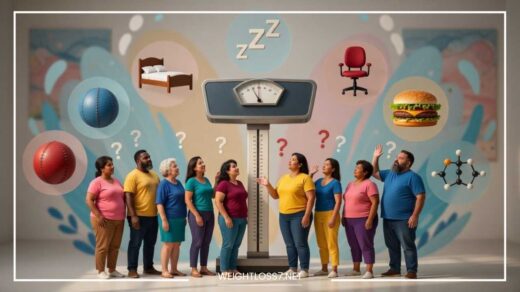
Losing weight is a journey many people embark on, often with the best intentions, only to find themselves asking a crucial question: “Why can’t I lose weight?” It’s a frustrating and common experience. You might be putting in the effort, trying to eat better and move more, yet the scale doesn’t budge, or worse, it creeps up. The truth is, weight loss is a complex process, not a simple equation. It’s influenced by a myriad of factors beyond just what you eat and how much you exercise. Understanding these underlying reasons is the first step toward finding a sustainable path to success.
This article will explore the fundamental principles that govern weight loss, offering insights into how our bodies work, and providing a comprehensive guide to overcoming the obstacles that stand in your way. We’ll delve into the science of energy, the vital roles of physical activity, nutrition, hydration, and even the often-overlooked impacts of sleep and stress. By the end, you’ll have a clearer picture of why weight loss is challenging and, more importantly, a roadmap for how to achieve your goals.
The Science of Weight Loss
The core principle behind weight loss is a concept called energy balance. Think of your body as a sophisticated engine that requires fuel to operate. That fuel comes from the food and beverages you consume, measured in calories. Energy balance is the relationship between the calories you take in and the calories your body burns.
When you consume more calories than your body needs for its daily functions and activities, the excess energy is stored, primarily as fat. This leads to weight gain. Conversely, to lose weight, you must create a caloric deficit, meaning you burn more calories than you consume. This forces your body to tap into its stored energy reserves (fat) for fuel.
Your body’s daily energy expenditure is composed of three main components:
- Basal Metabolic Rate (BMR): This is the number of calories your body burns at rest to maintain essential functions like breathing, blood circulation, and cell production. Your BMR accounts for a significant portion of your daily energy expenditure.
- Thermic Effect of Food (TEF): This is the energy your body uses to digest, absorb, and metabolize the food you eat.
- Physical Activity: This includes both structured exercise and non-exercise activity like walking, standing, and fidgeting.
Understanding these components is key. While we often focus on the calories we burn during a workout, a larger part of the equation is our metabolism, which dictates how many calories we burn just by being alive. Everyone’s metabolism is unique, influenced by factors like age, gender, body composition, and genetics. A faster metabolism means you burn more calories at rest, making it easier to maintain a caloric deficit.
The Role of Physical Activity
Physical activity is a crucial component of a successful weight loss journey. It works on multiple fronts, not just by burning calories in the moment. Regular exercise helps increase your daily energy expenditure, making it easier to achieve a caloric deficit. But its benefits extend far beyond that.
There are two primary types of exercise that are particularly effective for weight loss:
- Aerobic Exercise (Cardio): This includes activities like walking, jogging, cycling, swimming, and dancing. Aerobic exercise elevates your heart rate and breathing, burning a significant number of calories during the activity itself. It also improves cardiovascular health, boosts mood, and can help reduce stress.
- Strength Training: This involves resistance exercises using weights, resistance bands, or your own body weight. While strength training might not burn as many calories as cardio during the workout, it’s a powerful tool for building muscle mass. Muscle tissue is more metabolically active than fat tissue, meaning it burns more calories at rest. By increasing your muscle mass, you effectively boost your basal metabolic rate, turning your body into a more efficient calorie-burning machine even when you’re not working out.
The key to physical activity is consistency. A single intense workout won’t make a lasting impact. The real magic happens when you integrate regular movement into your lifestyle. Whether it’s a daily walk, a few sessions of strength training each week, or a mix of both, finding activities you enjoy is essential for staying motivated and making it a sustainable habit.
The Importance of Nutrition
While exercise helps, the most significant impact on weight loss comes from nutrition. You cannot out-train a poor diet. The quality and quantity of what you consume are the primary drivers of your energy balance.
A fundamental concept is the importance of a balanced diet. Your body needs a variety of nutrients—carbohydrates for energy, fats for hormone production and nutrient absorption, and protein for muscle repair and satiety. Rather than focusing on restrictive diets, the goal should be to eat a wide range of wholesome foods that provide these essential nutrients.
Portion control is another critical aspect. Even healthy foods can contribute to weight gain if consumed in excess. Being mindful of portion sizes can prevent you from overconsuming calories without needing to count every single one. Simple strategies, like using smaller plates or being aware of serving sizes, can make a big difference.
Finally, prioritize nutrient density. This means choosing foods that are packed with vitamins, minerals, and other essential nutrients relative to their calorie content. Foods that are minimally processed, such as fruits, vegetables, whole grains, and legumes, are typically more nutrient-dense and help you feel full and satisfied for longer, reducing the temptation to snack on less healthy options.
Hydration and Weight Loss
Water is often overlooked in the weight loss equation, but it plays a vital role. Staying properly hydrated is essential for overall health and can directly aid your weight loss efforts.
Your body relies on water for almost every function, including digestion, nutrient absorption, and metabolism. Dehydration can slow down your metabolism, making it harder to burn calories efficiently.
A common mistake people make is confusing thirst with hunger. The brain’s signals for thirst and hunger can sometimes be similar. When you feel a pang of hunger, a simple glass of water might be all you need to curb what is actually thirst. Drinking a glass of water before a meal can also help you feel fuller, leading you to eat less. Make it a habit to carry a reusable water bottle with you and sip throughout the day.
Sleep and Stress Management
The connection between your mental state and your physical well-being is undeniable, especially when it comes to weight loss. Sleep and stress are two powerful factors that can either support or sabotage your efforts.
Lack of adequate sleep can wreak havoc on your body’s hormonal balance. When you’re sleep-deprived, your body produces more ghrelin, the “hunger hormone,” and less leptin, the “satiety hormone.” This combination makes you feel hungrier and less satisfied after eating, leading to increased food intake, often of high-calorie, high-sugar foods. Poor sleep also impairs decision-making and willpower, making it harder to stick to your healthy habits.
Similarly, chronic stress can significantly hinder weight loss. When you’re stressed, your body releases cortisol, the “stress hormone.” Elevated cortisol levels can increase your appetite, particularly for comfort foods, and lead to the storage of fat around your midsection. Stress-induced emotional eating can become a vicious cycle, where you eat to cope with stress, which then contributes to weight gain, causing more stress.
Managing stress is a critical part of the process. Techniques like meditation, deep breathing exercises, mindfulness, spending time in nature, or engaging in hobbies can help lower cortisol levels. Prioritizing seven to nine hours of quality sleep per night is equally important. Create a relaxing bedtime routine, avoid screens before bed, and make your bedroom a sanctuary for rest.
Hormones and Weight Loss
Hormones are powerful chemical messengers that regulate virtually every process in your body, including metabolism, appetite, and fat storage. While sleep and stress impact some of these hormones, others have a direct and significant influence on your ability to lose weight.
- Insulin: This hormone regulates blood sugar levels. When you eat, especially carbohydrates, your body releases insulin to transport glucose from your bloodstream into your cells for energy. When you consume too many refined carbohydrates and sugars, your cells can become resistant to insulin, leading to high levels of both insulin and glucose in your blood. This can promote fat storage and make it difficult to lose weight.
- Thyroid Hormones: Produced by the thyroid gland, these hormones regulate your metabolism. An underactive thyroid (hypothyroidism) can slow down your metabolism, making weight gain and difficulty losing weight a common symptom. If you suspect a thyroid issue, it’s important to consult a healthcare professional.
- Leptin and Ghrelin: As mentioned earlier, these two hormones work in opposition to each other to regulate hunger and fullness. Leptin tells your brain you’re full, while ghrelin signals that you’re hungry. Disruptions to this delicate balance, often caused by poor sleep or chronic stress, can lead to overeating.
While it’s important to be aware of these hormonal influences, the good news is that healthy habits—like eating a balanced diet, exercising regularly, and managing sleep and stress—are the best ways to optimize your hormonal balance and support your weight loss efforts.
Common Weight Loss Obstacles
The path to weight loss is rarely a straight line. You will inevitably encounter challenges, and knowing what to expect can help you prepare and persist.
One of the most common and frustrating obstacles is a weight loss plateau. This happens when you stop losing weight despite your best efforts. Plateaus are a normal part of the process. As you lose weight, your body requires fewer calories to function, so the caloric deficit that worked initially may no longer be enough. Your body may also become more efficient at the exercises you’re doing. To break through a plateau, you may need to adjust your approach by slightly reducing your caloric intake, increasing the intensity or duration of your workouts, or changing your exercise routine to challenge your body in new ways.
Realistic expectations are also vital. Healthy, sustainable weight loss is a marathon, not a sprint. Aiming for rapid, drastic weight loss can be counterproductive, leading to muscle loss, nutritional deficiencies, and a high likelihood of regaining the weight. A healthy rate of weight loss is generally considered to be 1-2 pounds per week.
Finally, don’t underestimate the power of mental barriers. Negative self-talk, perfectionism, and an “all-or-nothing” mindset can derail your progress. It’s easy to get discouraged by a single misstep, like a skipped workout or an unhealthy meal. Instead of dwelling on it, practice self-compassion. View these moments as learning opportunities and get back on track with your next meal or workout. Remember, every day is a new chance to make a healthy choice.
Behavioral Changes for Long-Term Success
Sustainable weight loss is not about a temporary diet; it’s about adopting new, healthier habits that you can maintain for life. This is where behavioral changes come in.
- Setting Realistic Goals: Instead of focusing solely on the number on the scale, set smaller, non-scale goals. For example, “I will walk for 30 minutes, five days a week” or “I will cook a new healthy meal once a week.” These small victories build momentum and confidence.
- Creating Healthy Habits: Consistency is key. Make healthy behaviors a non-negotiable part of your routine. This could involve preparing your meals for the week on Sunday, packing a gym bag the night before, or scheduling your workouts in your calendar. By making these actions automatic, you reduce the reliance on willpower.
- Tracking Progress: Monitoring your progress can be a powerful motivator. This doesn’t mean obsessing over every calorie or workout. You can use a journal or a simple app to track your food intake, exercise, and how you feel. Pay attention to more than just the scale—notice how your clothes fit, how your energy levels improve, and how your mood lifts. Celebrating these non-scale victories can keep you inspired and on track.
Final Thoughts
Losing weight is a multifaceted journey that goes far beyond a simple formula of eating less and moving more. It’s an intricate dance between your body’s energy needs, hormonal balance, mental state, and daily habits. If you’ve ever asked, “Why can’t I lose weight?” the answer likely lies in one or more of these areas.
We’ve explored the foundational science of energy balance and how to create a sustainable caloric deficit. We’ve discussed the crucial roles of physical activity—both cardio and strength training—and the importance of nutritious, balanced eating and portion control. We’ve also highlighted the often-underestimated impacts of hydration, sleep, and stress management on your body’s ability to shed weight. Understanding the influence of hormones and being prepared for common obstacles like plateaus and mental barriers are key to staying on track.
The ultimate secret to lasting weight loss isn’t a quick fix or a trendy diet. It’s about building healthy, sustainable habits that become a part of your everyday life. It requires patience, consistency, and a willingness to understand and listen to your body. Start small, be kind to yourself, and celebrate every victory, no matter how small. Your journey is unique, but with a comprehensive understanding of the factors at play, you can confidently take control of your health and achieve your goals.