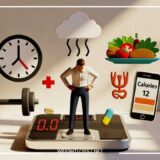
What’s the Healthiest Way to Lose Weight?


What’s the Healthiest Way to Lose Weight? Science-Backed Tips for Safe, Sustainable Results
The modern landscape of health and wellness is often a battlefield of extremes. On one side, we are bombarded with images of overnight transformations and “miracle” supplements; on the other, we face the reality of high-stress lifestyles and the convenience of ultra-processed foods. In the middle of this tug-of-war is the individual simply looking to feel better, move easier, and achieve a healthy weight.
Most conventional diets fail not because of a lack of willpower, but because they are built on the shaky foundation of restriction. When we approach weight loss as a temporary period of “punishment” to reach a specific number on a scale, we inadvertently set ourselves up for a metabolic and psychological rebound. Real, healthy weight loss is not about how quickly you can drop pounds, but about how effectively you can shift your body composition while supporting your metabolism, hormones, and mental well-being.
This article explores the science of sustainable weight management. By focusing on evidence-based strategies that prioritize nourishment over deprivation, you can achieve results that last a lifetime rather than just a few weeks.
What “Healthy Weight Loss” Actually Means
Before diving into the “how,” it is essential to define the “what.” In a culture obsessed with rapid results, the definition of success is often skewed. True healthy weight loss is characterized by the loss of excess adipose tissue (fat) while preserving as much lean muscle mass as possible.
The Gold Standard Rate
Science suggests that a safe and sustainable rate of weight loss is approximately 0.5 to 1% of your total body weight per week. For most individuals, this translates to roughly one to two pounds. While this may seem slow compared to the “lose 10 pounds in a week” headlines, this pace is far more likely to result in permanent maintenance. Rapid weight loss often consists of water weight and precious muscle tissue, which can lower your metabolic rate and make future weight maintenance significantly harder.
Fat Loss vs. Weight Loss
The scale is a blunt instrument. It measures the total mass of your bones, organs, muscles, water, and fat. It does not distinguish between a pound of muscle gained and a pound of fat lost. Therefore, “weight loss” is a bit of a misnomer. The goal should be body recomposition. If you are eating well and strength training, the scale might stay the same even as your clothes fit better and your body becomes leaner. This is a sign of ultimate success, as muscle is more metabolically active than fat.
Signs of Healthy Progress
Beyond the scale, healthy weight loss is marked by:
-
Consistent energy levels throughout the day.
-
Improved sleep quality.
-
Stable moods and reduced irritability.
-
Increased physical strength and stamina.
-
A healthy relationship with food, free from obsessive tracking or guilt.
The Science of Weight Loss: Energy Balance Explained Simply
At its core, weight management is governed by the laws of thermodynamics, specifically the concept of Energy Balance. However, while the math is simple, the human biology behind it is wonderfully complex.
Calories In vs. Calories Out
The fundamental driver of weight loss is a calorie deficit—consuming fewer calories than your body burns. Your body requires energy for everything from heart beats to hiking. This total energy requirement is known as your Total Daily Energy Expenditure (TDEE), which is composed of:
-
Basal Metabolic Rate (BMR): The energy required to keep your body functioning at rest (breathing, circulating blood).
-
Thermic Effect of Food (TEF): The energy used to digest and process the nutrients you eat.
-
Physical Activity: Energy burned through intentional exercise.
-
Non-Exercise Activity Thermogenesis (NEAT): Energy burned through daily movement like walking, cleaning, or fidgeting.
Why Aggressive Cutting Backfires
If you create too large a deficit (by eating far too little), your body perceives a state of famine. In response, it may downregulate certain functions to conserve energy. This is often called “metabolic adaptation.” Your thyroid hormones may dip, your neat levels will likely drop because you feel lethargic, and your hunger hormones will skyrocket.
A moderate deficit—usually around 10–20% below your maintenance calories—is the “sweet spot.” It is large enough to trigger fat burning but small enough that your body doesn’t trigger a metabolic “emergency” response.
Nutrition Foundations for Healthy Weight Loss
Nutrition is the most significant lever you can pull for weight loss, but it is not about “good” foods versus “bad” foods. It is about creating a nutrient-dense environment that supports your goals.
1. Prioritize Protein
Protein is the most important macronutrient when it comes to changing body composition. It serves two vital roles: it is highly satiating, meaning it keeps you full longer, and it provides the building blocks necessary to maintain muscle mass while in a calorie deficit.
Because protein has a higher Thermic Effect of Food than fats or carbohydrates, your body actually burns more calories processing protein than it does other nutrients. Excellent sources of protein that fit into a balanced lifestyle include:
-
Legumes: Lentils, chickpeas, black beans, and kidney beans.
-
Dairy Products: Greek yogurt, cottage cheese, and kefir.
-
Soy-Based Foods: Tofu, tempeh, and edamame.
-
Nuts and Seeds: Almonds, chia seeds, pumpkin seeds, and walnuts.
-
High-Protein Grains: Quinoa and amaranth.
2. Focus on Whole, Minimally Processed Foods
The “fullness factor” of a food is largely determined by its fiber and water content. Whole foods—those that look close to how they appear in nature—are generally more voluminous. This means you can eat a larger quantity of food for fewer calories.
-
Fiber and Blood Sugar: Fiber-rich foods like vegetables, fruits, and whole grains slow the absorption of sugar into the bloodstream. This prevents the “spike and crash” cycle that leads to intense cravings and energy slumps.
-
The Power of Volume: Incorporating large portions of leafy greens and cruciferous vegetables (like broccoli and cauliflower) allows you to feel physically full, which is a key psychological component of sticking to a plan.
3. Control Portions Without Extreme Restriction
You do not need to eliminate your favorite foods to lose weight. In fact, total prohibition often leads to bingeing. Instead, practice mindful portioning.
-
The 80% Rule: Eat until you are 80% full. It takes about 20 minutes for the brain to receive the signal from the stomach that it is satisfied.
-
Hand-Sized Portions: Use your hand as a guide. A portion of protein should be roughly the size of your palm; a portion of carbohydrates the size of your cupped hand; and a portion of fats the size of your thumb.
4. Smart Carbohydrate Choices
Carbohydrates are your body’s preferred energy source, especially for brain function and high-intensity exercise. The “low-carb” craze often misses the point: it’s the type of carb that matters. Prioritize “complex” carbohydrates like oats, sweet potatoes, and brown rice, which provide steady energy, rather than refined sugars and flours that offer a quick burst followed by a crash.
Strength Training: The Most Overlooked Fat Loss Tool
If you want to change the way your body looks and functions, you must pick up heavy things. While many people gravitate toward the treadmill for weight loss, resistance training (weight lifting or bodyweight exercise) is arguably more important for long-term success.
Muscle as Metabolic Insurance
Muscle tissue is metabolically expensive. It requires more energy to maintain than fat tissue. By building muscle, you essentially increase your BMR, meaning you burn more calories even while you are sleeping.
Improving Insulin Sensitivity
Strength training improves how your muscles handle glucose (sugar). When you lift weights, your muscles become more sensitive to insulin, allowing them to soak up sugar from the bloodstream more efficiently. This prevents excess sugar from being stored as fat and helps stabilize your energy levels.
How to Start
You don’t need to spend hours in the gym. Aim for 2 to 4 sessions per week focusing on compound movements—exercises that use multiple joints and muscle groups.
-
Bodyweight: Squats, lunges, push-ups, and planks.
-
Resistance: Using bands or dumbbells to add challenge.
-
Progression: The key is “progressive overload,” or gradually increasing the weight or repetitions over time to keep the body adapting.
The Role of Cardio and Daily Movement
Cardiovascular exercise is excellent for heart health, lung capacity, and burning extra calories. However, it should be viewed as a supplement to strength training and daily movement, rather than the primary driver of weight loss.
The Power of NEAT
Many people overestimate the calories burned in a 30-minute jog and underestimate the calories burned by being generally active throughout the day. Non-Exercise Activity Thermogenesis (NEAT) can account for hundreds of calories daily.
-
Taking the stairs instead of the elevator.
-
Pace while talking on the phone.
-
Cleaning the house or gardening.
-
Walking to the store instead of driving.
A simple goal of 8,000 to 10,000 steps a day provides a consistent baseline of energy expenditure that is much easier to recover from than intense, grueling cardio sessions.
Sleep: The Hidden Fat-Loss Multiplier
You can have the perfect diet and exercise routine, but if you are only sleeping five hours a night, your progress will likely stall. Sleep is a biological necessity for metabolic health.
Hormonal Imbalance
When you are sleep-deprived, your body undergoes two major hormonal shifts:
-
Ghrelin Increases: This is the “hunger hormone” that tells you to eat.
-
Leptin Decreases: This is the “satiety hormone” that tells you you’re full.
In this state, your brain’s reward centers also become more reactive to “highly palatable” foods (high-sugar, high-fat snacks). Essentially, a tired brain is a hungry, craving-prone brain.
Cortisol and Recovery
Lack of sleep raises cortisol, the body’s primary stress hormone. Chronically high cortisol is associated with increased abdominal fat storage and muscle breakdown. Aim for 7 to 9 hours of quality sleep to allow your body to repair muscle and regulate its hormones.
Stress Management and Emotional Eating
Weight loss is as much a psychological journey as a physical one. Stress is a significant barrier to weight loss, often acting as a “silent” contributor to weight gain.
The Stress-Fat Connection
When we are stressed, our bodies enter “fight or flight” mode. Evolutionarily, this meant we needed quick energy to survive a threat, leading to cravings for quick-energy foods (sugar). In the modern world, our “threats” are usually emails or traffic, but the physiological response remains the same.
Mindful Eating
Many people eat not because they are physically hungry, but because they are bored, stressed, or seeking comfort. Developing emotional awareness can help break this cycle.
-
Pause before you eat: Ask yourself, “Am I physically hungry, or am I feeling an emotion?”
-
Use tools for stress: Instead of reaching for food, try a five-minute breathing exercise, a short walk, or journaling to process the stressor.
Hydration and Its Role in Appetite Control
Water is essential for every metabolic process in the body, including the breakdown of fat (lipolysis).
Thirst vs. Hunger
The signals for thirst and hunger are processed in the same area of the brain (the hypothalamus). This leads many people to mistake mild dehydration for hunger. Drinking a glass of water before a meal can help you gauge your true hunger levels and prevent overeating.
Liquid Calories
One of the simplest ways to create a calorie deficit is to swap sugary beverages—sodas, sweetened coffees, and energy drinks—for water, sparkling water, or unsweetened tea. These liquid calories don’t provide satiety, meaning you can consume hundreds of calories without feeling full at all.
Why Crash Diets Don’t Work
The allure of the “quick fix” is powerful, but crash diets, detoxes, and extremely low-calorie programs are fundamentally flawed.
-
Muscle Wasting: When calories are too low, the body often breaks down muscle tissue for energy. This lowers your metabolic rate, making it easier to regain the weight later.
-
Nutrient Deficiencies: Extreme diets often cut out entire food groups, leading to deficiencies in essential vitamins and minerals.
-
The Yo-Yo Effect: Most people can white-knuckle a crash diet for a few weeks, but the moment they stop, the weight returns—often with a few extra pounds as the body tries to “protect” itself against the next perceived famine.
Sustainable weight loss is about finding a way of eating that you actually enjoy and can maintain for years, not just days.
How to Create a Sustainable Weight Loss Plan
If you are ready to start, move away from the “all or nothing” mentality. Use the following framework to build a plan that fits your life.
-
Set Realistic, Performance-Based Goals: Instead of “I want to lose 20 pounds,” try “I want to be able to do five push-ups” or “I want to walk 10,000 steps five days a week.”
-
Create a Moderate Deficit: Focus on high-volume, high-fiber foods that allow you to eat satisfying portions while keeping calories in check.
-
Prioritize Balanced Plates: Each meal should ideally contain a source of protein, plenty of vegetables, a serving of complex carbohydrates, and a small amount of healthy fats.
-
Incorporate Resistance Training: Aim for at least two full-body strength sessions per week.
-
Audit Your Environment: Keep nutritious foods easily accessible and make “treat” foods something you have to leave the house to get.
-
Track Beyond the Scale: Use photos, measurements, and how your clothes fit as your primary metrics. Note your energy levels and sleep quality as well.
Common Mistakes to Avoid
Even with the best intentions, it is easy to fall into common traps:
-
Ignoring “Hidden” Calories: Cooking oils, salad dressings, and condiments can add hundreds of calories to an otherwise healthy meal.
-
Underestimating Portions: While you don’t need to track forever, using a food scale for a week can be an eye-opening exercise in understanding what a true serving size looks like.
-
The “Weekend Reset”: Many people eat in a deficit from Monday to Friday but consume enough surplus on Saturday and Sunday to completely negate their progress. Aim for consistency rather than weekday perfection.
-
Focusing Only on Cardio: Remember, cardio burns calories while you’re doing it; muscle burns calories all the time.
When to Seek Professional Help
While general advice is helpful, weight loss can be complicated by underlying medical conditions. If you are struggling despite consistent effort, consider consulting a professional.
-
Medical Conditions: Conditions like PCOS, hypothyroidism, or insulin resistance can make weight loss more challenging and may require medical management.
-
Nutritional Guidance: A Registered Dietitian can help you create a personalized meal plan tailored to your specific needs and preferences.
-
Mental Health: If you find yourself trapped in a cycle of disordered eating or have a fraught relationship with food, a therapist specializing in eating behaviors can provide invaluable support.
Final Thoughts
Healthy weight loss is not a sprint; it is a gradual shift in how you live your life. It is the result of hundreds of small, seemingly insignificant choices made consistently over time.
By prioritizing strength, nourishing your body with whole foods, and respecting your need for sleep and recovery, you aren’t just losing weight—you are building a more resilient, energetic version of yourself. Focus on the process, be patient with your body, and remember that consistency will always beat intensity in the long run. Your goal shouldn’t just be to reach a destination, but to create a lifestyle that makes you feel your absolute best.