What Is the Best Thing for Weight Loss?


What Is the Best Thing for Weight Loss? A Holistic Approach to Sustainable Health
In a world overflowing with conflicting advice, magical pills, and celebrity-endorsed fads, the question of “what is the best thing for weight loss?” can feel overwhelming. The sheer volume of information can make it nearly impossible to distinguish a genuine, healthy strategy from a fleeting trend. Everyone seems to have a different answer, whether it’s the latest restrictive diet, a grueling new workout routine, or a so-called “superfood.” This constant noise creates confusion and often leads to disappointment, as many people jump from one short-term fix to another without ever achieving lasting results.
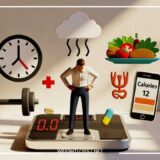
The truth is, there is no single “best” thing—no one-size-fits-all solution that works for every individual. Instead, the most effective approach to weight loss is a comprehensive one, built on a foundation of scientific principles and a deep understanding of your own body. It’s not about following a rigid set of rules for a few weeks, but about cultivating a sustainable, healthy lifestyle that you can maintain for the long haul. This article will cut through the noise to explore the fundamental pillars of successful weight management, from the basics of energy balance to the critical role of lifestyle and mindset. By the end, you’ll have a clear, actionable guide to building a healthy life, one step at a time.
Understanding Weight Loss Basics
At its core, weight loss is a simple matter of physics, governed by the principle of energy balance. To lose weight, you must create a calorie deficit, meaning you expend more energy than you consume. This is the single most important concept in weight management. When you consume fewer calories than your body needs to maintain its current weight, your body is forced to draw on its stored energy reserves—primarily fat—to make up the difference. This process leads to a reduction in body mass over time.
Think of it like a bank account. Calories are your currency. If you deposit (consume) more than you withdraw (burn), you gain a surplus (weight). If you withdraw more than you deposit, you create a deficit and reduce your balance (lose weight). The energy balance equation is straightforward: Calories In vs. Calories Out. While it seems simple, the reality is that the Calories Out side is not a fixed number. Your metabolism, the complex set of chemical reactions that convert food into energy, plays a significant role. It determines your Basal Metabolic Rate (BMR)—the number of calories your body burns at rest just to perform basic functions like breathing and circulation.
Your total daily energy expenditure (TDEE) includes your BMR, plus the energy burned through physical activity and the thermic effect of food (the calories used to digest and process what you eat). As you lose weight, your BMR can slightly decrease, as a smaller body requires less energy to function. This is a normal physiological adaptation and why what worked initially might need to be adjusted over time. Understanding this basic science is the first step toward taking control of your weight loss journey. It removes the mystery and brings the focus back to where it should be: on a balanced, consistent approach to nutrition and physical activity.
Nutrition Fundamentals for Weight Loss
While a calorie deficit is the ultimate goal, not all calories are created equal. The source of your calories—the quality of your food—profoundly impacts your health, satiety, and the ease with which you can achieve your deficit. The key to effective and sustainable nutrition for weight loss is not about strict elimination, but about balance and choice. A truly effective eating plan is built on a foundation of three macronutrients: carbohydrates, proteins, and fats. Each plays a distinct and vital role in a healthy body. Carbohydrates provide energy, while fats are essential for hormone production and nutrient absorption. Protein is crucial for building and repairing tissues, and it also promotes a strong feeling of fullness, which can significantly reduce overall calorie intake.
The best strategy is to focus on whole, minimally processed foods. These foods—including fruits, vegetables, whole grains, and legumes—are naturally rich in nutrients and fiber. Minimally processed foods are far more satisfying than their refined counterparts. They take longer to digest, keeping you feeling full for longer and helping to stabilize blood sugar levels, which in turn can reduce cravings. On the other hand, highly processed foods, which are often high in added sugars, unhealthy fats, and refined starches, are calorie-dense but nutrient-poor. They are designed to be “hyper-palatable,” making it easy to overconsume them without feeling truly satisfied.
Fiber deserves a special mention. Found abundantly in fruits, vegetables, whole grains, nuts, seeds, and legumes, fiber is a powerful ally in the weight loss journey. It adds bulk to your meals, slowing down digestion and promoting a feeling of fullness. This can naturally lead to eating less. Fiber also supports a healthy digestive system, which is linked to overall health and well-being.
Finally, the concept of portion control is non-negotiable. Even with the healthiest foods, overconsumption will prevent a calorie deficit. Understanding what a single serving size looks like can be a revelation. Using smaller plates, bowls, and serving utensils can be a simple, effective trick to manage portion sizes without feeling deprived. Paying attention to serving sizes on nutrition labels and learning to listen to your body’s hunger and fullness cues are critical skills to develop for long-term success.
Effective Eating Habits
Beyond what you eat, how you eat is a crucial factor in achieving and maintaining a healthy weight. Developing mindful eating habits can transform your relationship with food, allowing you to recognize your body’s signals and prevent overconsumption. Mindful eating involves paying full attention to your food—its taste, texture, and smell—while eating slowly and without distractions. This practice helps you tune into your body’s natural hunger and fullness cues. Instead of mindlessly finishing a plate, you learn to recognize when you are comfortably satisfied, and can stop eating. This can significantly reduce the number of calories you consume without feeling like you are restricting yourself.
Another common question is about meal timing and frequency. For a long time, the advice was to eat frequent, small meals to “stoke the metabolic fire.” However, modern science suggests that while this can work for some, it is not a magical solution. The total number of calories you consume by the end of the day is far more important than when you eat them. Some people find success with three balanced meals a day, while others prefer five or six smaller meals. The best approach is the one that fits your lifestyle, schedule, and personal preferences, and helps you consistently maintain a calorie deficit. The most important thing is to avoid long periods of intense hunger, which can lead to overeating later.
A topic often overlooked in the discussion of weight loss is hydration. Water is essential for every bodily function, including metabolism. Drinking enough water can help you feel full, reducing the likelihood of mistaking thirst for hunger. Often, people reach for a snack when their body is simply signaling a need for fluids. Drinking a glass of water before a meal can also help reduce how much you eat. Furthermore, staying hydrated is critical for physical activity, as it helps your body perform at its best. While beverages like sugary sodas, juices, and specialty coffees are calorie-dense and offer little nutritional value, water is calorie-free and a powerful tool in your weight management arsenal.
Physical Activity and Exercise
While a calorie deficit through diet is the primary driver of weight loss, physical activity is the most powerful tool for improving the quality of that loss and ensuring long-term success. Regular exercise not only burns calories, helping to create or expand your deficit, but it also offers a host of other benefits crucial for a healthy body and mind. It strengthens your cardiovascular system, improves mood, and enhances sleep quality.
The key is to find a form of movement you genuinely enjoy, making it easier to stick with. There are two main types of exercise to incorporate for a well-rounded fitness plan: cardiovascular exercise and strength training. Cardio (aerobic exercise) includes activities like walking, jogging, cycling, swimming, and dancing. These activities are excellent for burning calories, improving heart health, and boosting stamina. They are often a great starting point for those new to exercise, as a brisk walk can be an accessible and effective way to get started.
Strength training (resistance training) is equally important. This involves using weights, resistance bands, or your own body weight to build muscle mass. Muscle is metabolically active, meaning it burns more calories at rest than fat does. By preserving and building muscle mass during weight loss, you help to keep your metabolism from slowing down too much. Strength training also shapes and tones your body, giving you a more sculpted appearance even before the scale shows a significant change. Incorporating a mix of both cardio and strength training is the best strategy for a healthy body composition and a more effective metabolism. Additionally, flexibility exercises like stretching or yoga can improve range of motion and prevent injury, complementing your overall fitness routine.
Lifestyle Factors Influencing Weight Loss
Weight loss is not just about diet and exercise; it’s a reflection of your entire lifestyle. Several external and internal factors can either support or hinder your progress, and addressing them is essential for sustainable success. Sleep quality is a prime example. When you are sleep-deprived, your body’s production of key hunger hormones is thrown off balance. Levels of ghrelin, the hormone that stimulates appetite, rise, while levels of leptin, the hormone that signals fullness, fall. This double whammy can lead to increased hunger and cravings for calorie-dense foods, making it much harder to stick to your plan. Aim for 7-9 hours of quality sleep per night to keep your hunger hormones in check and give your body the time it needs to recover.
Stress management is another critical piece of the puzzle. Chronic stress can lead to elevated levels of the hormone cortisol, which can increase appetite, particularly for unhealthy, comforting foods. Many people turn to food as a coping mechanism for stress, a pattern known as emotional eating. Learning to identify your stress triggers and developing healthy coping strategies—such as meditation, deep breathing exercises, spending time in nature, or engaging in a hobby—can prevent you from reaching for food when you’re not truly hungry.
Finally, the importance of consistency and a long-term mindset cannot be overstated. Weight loss is a marathon, not a sprint. Quick fixes promise rapid results but are rarely sustainable. The true measure of success is not how fast you lose weight, but whether you can maintain a healthy weight for years to come. This requires a shift in perspective from a temporary “diet” to a permanent lifestyle change. It’s about building a series of small, healthy habits that eventually become second nature.
Common Weight Loss Myths and Misconceptions
The weight loss industry is a hotbed of misinformation, and it’s easy to fall prey to common myths. One of the most pervasive is the belief in fad diets and quick fixes. These diets often promise dramatic weight loss in a short period, typically by severely restricting entire food groups. While they might lead to initial weight loss, much of it is often water weight, and they are almost impossible to sustain. The moment you return to your normal eating patterns, the weight comes back, often with a little extra.
Similarly, the myth that extreme restrictions work long-term is incredibly misleading. A severely low-calorie diet can slow down your metabolism as your body goes into “starvation mode” to conserve energy. This makes it harder to lose weight and easier to regain it once you stop the diet. A more moderate, sustainable calorie deficit is far more effective and healthier for your body in the long run.
Another common misconception revolves around “fat-burning” foods or supplements. While certain foods, like those high in fiber, can support a healthy metabolism, no food has a magical ability to “burn fat.” The idea that a specific food or drink can significantly accelerate weight loss is a marketing gimmick. True fat loss occurs through a consistent calorie deficit and an active lifestyle. Similarly, most weight loss supplements lack strong scientific evidence to support their claims and can even be dangerous. The best and safest approach is to focus on a balanced, nutrient-rich diet and regular exercise.
Practical Tips for Sustainable Weight Loss
Making a lasting change requires a strategic and practical approach. The most effective way to begin is by setting realistic goals. Instead of aiming to lose a large amount of weight in a short time, focus on a gradual and steady rate of 1-2 pounds per week. This approach is more sustainable and better for your body. Tracking your progress—whether by monitoring your weight, taking measurements, or simply noticing how your clothes fit—can keep you motivated and accountable.
Next, focus on creating a supportive environment and habits. This means stocking your kitchen with healthy foods and removing tempting, processed items. Plan your meals for the week so you are less likely to make last-minute, unhealthy choices. Build your physical activity into your daily routine—take the stairs, walk during your lunch break, or start a walking group with friends. Having a support system, whether it’s a friend, family member, or a community, can make a huge difference in your motivation and commitment.
Finally, learn to handle setbacks and maintain motivation. There will be days when you overeat or skip your workout. The key is not to let a single misstep derail your entire effort. Instead of giving up, acknowledge the setback and get back on track with your next meal or workout. Focus on progress, not perfection. Celebrate your small victories along the way, whether it’s reaching a new fitness milestone or successfully navigating a social event without overindulging. This positive reinforcement is crucial for building the resilience needed for long-term success.
When to Seek Professional Help
While the principles outlined in this article are widely applicable, weight loss is not a straightforward journey for everyone. In certain cases, it is essential to consult with healthcare professionals. If you have a significant amount of weight to lose, or if you have underlying health conditions like diabetes, heart disease, or joint pain, a doctor can provide a safe and personalized plan. They can also rule out any potential medical issues, such as thyroid problems or hormonal imbalances, that might be affecting your ability to lose weight.
A registered dietitian or a certified personal trainer can also be invaluable resources. A dietitian can help you create a custom nutrition plan that fits your lifestyle and preferences, ensuring you get all the nutrients you need. A personal trainer can design an exercise program that is safe and effective for your fitness level. Recognizing when to seek professional guidance is a sign of strength and a commitment to your long-term health.
Final Thoughts
So, what is the best thing for weight loss? It’s not a single food, exercise, or pill. The best thing for weight loss is a holistic and balanced approach that encompasses nutrition, physical activity, and lifestyle. It’s a journey of self-discovery, not a race. By focusing on creating a sustainable calorie deficit through mindful eating and regular exercise, and by addressing the critical roles of sleep and stress management, you can achieve lasting results. The key is to shift your focus from a short-term goal to a lifelong commitment to your health. By embracing these principles, you will not only reach a healthy weight but also build a healthier, more vibrant life.