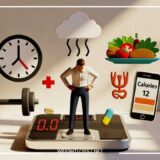
What Can Help You Lose Weight


What Can Help You Lose Weight | Effective Weight Loss Tips
Losing weight is a common goal for many, driven by desires for improved health, increased energy, and a greater sense of well-being. It’s important to approach weight loss not as a quick fix or a pursuit of an ideal appearance, but as a journey towards a healthier and more balanced lifestyle. Sustainable weight loss isn’t about restrictive diets or extreme measures; it’s about making gradual, informed changes that you can maintain long-term.
This article will explore various aspects of weight loss, focusing on practical and sustainable strategies for a general audience, emphasizing a balanced approach that prioritizes overall health.
The Science Behind Weight Loss
At its core, weight loss boils down to a fundamental principle: consuming fewer calories than you expend consistently. This creates a calorie deficit, prompting your body to tap into its stored energy reserves, primarily fat, for fuel. The energy we get from food and drinks is measured in calories, and our bodies burn these calories through daily activities, from breathing and sleeping to exercising and working.
Your metabolism is the complex set of chemical processes that occur within your body to maintain life. The basal metabolic rate (BMR) represents the number of calories your body burns at rest to perform essential functions. Factors like age, sex, weight, height, and muscle mass can influence your BMR. Understanding this balance is crucial. If you consistently take in more calories than you burn, your body stores the excess as fat, leading to weight gain. Conversely, consistently burning more calories than you consume leads to weight loss. It’s not just about the quantity of calories but also the quality of the food you consume, as different foods affect your body’s processes and satiety levels differently.
Nutrition: Eating for Sustainable Weight Loss
Nutrition plays a pivotal role in achieving and maintaining a healthy weight. It’s not about deprivation but about making informed choices and developing healthy eating habits.
Portion Control: Being mindful of how much you’re eating is essential. Even healthy foods can contribute to weight gain if consumed in excess. Using smaller plates, measuring out portions, and paying attention to your body’s hunger and fullness cues can help manage portion sizes effectively.
Choosing Whole, Minimally Processed Foods: Focus on incorporating a variety of whole, unprocessed foods into your diet. These include fruits, vegetables, whole grains, legumes (like lentils and chickpeas), and nuts and seeds. These foods are generally nutrient-dense, meaning they provide a significant amount of vitamins, minerals, and fiber relative to their calorie content. They also tend to be more filling, which can help prevent overeating.
Eating Mindfully and Avoiding Emotional Eating: Pay attention to your eating habits. Eat slowly, savor your food, and be present during meals. Distractions like screens can lead to mindless overeating. Learn to differentiate between physical hunger and emotional hunger. If you find yourself eating when you’re not truly hungry, explore healthy ways to cope with emotions, such as exercise, meditation, or spending time on hobbies.
Understanding Food Labels and Sugar Content: Becoming familiar with food labels can empower you to make healthier choices. Pay attention to serving sizes, calorie counts, and the list of ingredients. Be particularly mindful of added sugars, which can be hidden under various names. High sugar intake can contribute to weight gain and other health issues. Opt for foods with naturally occurring sugars found in fruits and dairy in moderation, and limit processed foods and sugary drinks.
Hydration: Importance of Drinking Enough Water: Water is crucial for many bodily functions, including metabolism. Staying adequately hydrated can also help you feel fuller, potentially reducing overall calorie intake. Sometimes, thirst can be mistaken for hunger, so drinking water throughout the day can be beneficial. Carry a water bottle and make it a habit to sip on it regularly.
The Impact of Snacking Habits: Snacking can be a part of a healthy eating plan if done mindfully. Choose nutrient-dense snacks like fruits, vegetables with hummus, or a small handful of nuts. Avoid processed snacks high in sugar, salt, and unhealthy fats. Pay attention to your hunger levels between meals to determine if you truly need a snack.
Physical Activity: Moving More, Losing More
While nutrition is key for creating a calorie deficit, physical activity plays a vital role in weight loss and overall health. It helps burn calories, build and maintain muscle mass (which boosts metabolism), and improves cardiovascular health.
Importance of Regular Physical Movement: Aim for a combination of different types of physical activity. This doesn’t necessarily mean spending hours in the gym; incorporating more movement into your daily routine can make a significant difference.
Types of Effective Workouts:
- Walking: A simple yet highly effective form of exercise accessible to most people. Aim for brisk walking for at least 30 minutes most days of the week.
- Resistance Training: Activities like lifting weights, using resistance bands, or bodyweight exercises help build muscle mass. More muscle mass means a higher BMR, leading to more calories burned even at rest.
- Cardio: Activities that get your heart rate up, such as jogging, swimming, cycling, or dancing, are excellent for burning calories and improving cardiovascular health.
- Flexibility: Activities like stretching and yoga improve range of motion and can help prevent injuries, making it easier to stay active.
How to Start Small and Stay Consistent: If you’re new to exercise, start gradually. Even short bouts of activity are better than none. Find activities you enjoy to make it easier to stick with them in the long run. Consider exercising with a friend for added motivation.
Everyday Ways to Increase Activity: Look for opportunities to move more throughout your day. Take the stairs instead of the elevator, walk or cycle for short errands, stand up and move around regularly if you have a sedentary job, and incorporate active hobbies into your leisure time.
Lifestyle Habits That Support Weight Loss
Beyond diet and exercise, several lifestyle factors significantly impact weight management.
Getting Enough Sleep: Adequate sleep is crucial for regulating hormones that control appetite and satiety. Lack of sleep can disrupt these hormones, leading to increased hunger, cravings for unhealthy foods, and potentially weight gain. Aim for 7-9 hours of quality sleep each night. Establish a regular sleep schedule and create a relaxing bedtime routine.
Managing Stress: Chronic stress can lead to the release of cortisol, a hormone that can increase appetite and promote fat storage, particularly around the abdomen. Find healthy ways to manage stress, such as mindfulness, meditation, yoga, spending time in nature, or engaging in enjoyable hobbies.
Limiting Screen Time and Avoiding Late-Night Eating: Excessive screen time, especially in the evening, can interfere with sleep patterns. Additionally, late-night eating often involves less healthy food choices and can disrupt the body’s natural rhythms. Try to establish a cut-off time for screens before bed and avoid eating large meals close to bedtime.
Creating Healthy Routines: Establishing consistent daily routines around meals, physical activity, and sleep can help create a supportive environment for weight loss. Planning your meals and workouts in advance can reduce impulsive choices and increase adherence.
Mindset and Motivation
Your mental approach to weight loss is just as important as the physical aspects.
Setting Realistic Goals: Aim for gradual and sustainable weight loss rather than trying to lose weight too quickly. Setting small, achievable goals along the way can provide a sense of accomplishment and keep you motivated. Focus on health-related goals in addition to weight, such as increased energy levels or improved fitness.
Tracking Progress Without Obsessing: Monitoring your progress can be helpful, but avoid becoming overly fixated on the numbers. Weighing yourself once a week at the same time can provide a general trend. Also, pay attention to other indicators of progress, such as how your clothes fit, your energy levels, and your overall sense of well-being.
Dealing with Setbacks and Staying Committed: Weight loss is not always linear. There will be days when you might overeat or skip a workout. It’s important not to get discouraged by occasional setbacks. View them as learning opportunities and get back on track with your healthy habits as soon as possible. Consistency over time is what truly matters.
The Role of Positive Self-Talk and Body Image: Cultivate a positive and compassionate attitude towards yourself. Focus on the positive changes you are making and celebrate your efforts, regardless of the number on the scale. Avoid negative self-talk and strive for a healthy body image, appreciating your body for its strength and capabilities.
Common Mistakes to Avoid
Being aware of common pitfalls can help you navigate your weight loss journey more effectively.
Skipping Meals or Overly Restricting Calories: Severely restricting calories or skipping meals can backfire. It can slow down your metabolism, lead to nutrient deficiencies, and increase cravings, making it more likely to overeat later. Focus on balanced meals and sustainable calorie reduction.
Over-Reliance on Supplements or Fad Products: Be wary of quick-fix solutions like weight loss supplements or fad diets that promise rapid results. These are often ineffective in the long run and can even be harmful. Sustainable weight loss is achieved through consistent healthy habits.
Comparing Progress to Others: Everyone’s weight loss journey is unique. Comparing your progress to others can be demotivating and unrealistic. Focus on your own individual journey and celebrate your personal achievements.
Expecting Fast Results: Sustainable weight loss takes time and effort. Expecting rapid results can lead to disappointment and a higher likelihood of giving up. Be patient with yourself and focus on building healthy habits that will lead to gradual and lasting change.
Professional Support and Tools
Sometimes, seeking professional guidance can significantly enhance your weight loss journey.
When to Seek Help from a Healthcare Provider or Nutritionist: If you have underlying health conditions, are taking medications, or have specific dietary needs, it’s essential to consult with a healthcare provider before making significant changes to your diet or exercise routine. A registered dietitian or nutritionist can provide personalized guidance and support based on your individual needs and goals.
Benefits of Group Support, Online Tools, or Apps: Joining a support group or utilizing online tools and apps can provide valuable resources, accountability, and a sense of community. These resources can offer tracking tools, recipe ideas, workout plans, and connection with others on similar journeys.
Using Journals or Habit Trackers for Accountability: Keeping a food journal, exercise log, or habit tracker can help you monitor your progress, identify patterns, and stay accountable to your goals. It can provide valuable insights into your eating habits and activity levels.
Final Thoughts: Making It a Lifestyle, Not a Phase
Sustainable weight loss is not a temporary endeavor but a journey of adopting healthy habits that become an integral part of your lifestyle. It requires a balanced approach that encompasses mindful nutrition, regular physical activity, supportive lifestyle habits, and a positive mindset. Remember to be patient with yourself, celebrate your progress, and view weight loss as an opportunity to invest in your long-term health and well-being. By focusing on gradual, consistent changes, you can achieve and maintain a healthy weight while enjoying a more vibrant and fulfilling life.