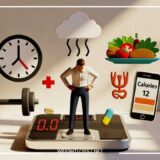
Way to Lose Weight Without Dieting


Effective Ways to Lose Weight Without Dieting: Healthy Weight Loss Tips
In a world saturated with “quick-fix” solutions and restrictive eating plans, the word “diet” has become synonymous with deprivation. For many, the journey toward a healthier weight feels like an uphill battle against hunger, social isolation, and complex rules about what can and cannot be eaten. However, sustainable weight loss does not require a temporary, extreme overhaul of your life. Instead, it flourishes when built upon a foundation of small, manageable, and consistent lifestyle habits.
The true secret to weight management lies in shifting the focus from “what to take away” to “how to live better.” When we move away from strict dieting, we remove the psychological pressure that often leads to cycles of bingeing and guilt. This article explores a comprehensive approach to shedding excess weight by focusing on mindfulness, movement, and self-care. The following strategies are designed for a general audience, regardless of specific dietary preferences or cultural backgrounds. By understanding the mechanics of how our bodies use energy and how our environment influences our choices, anyone can achieve a healthier weight without ever feeling like they are on a “diet.”
Weight loss is not merely a destination reached through a few weeks of struggle; it is a side effect of a well-balanced life. By prioritizing your body’s needs for hydration, rest, and joyful movement, you can create a lifestyle where weight management becomes intuitive and lasting. To achieve this, we must first deconstruct our understanding of what it means to lose weight and rebuild it on a foundation of biological respect rather than restriction.
Understanding Weight Loss Without Dieting
At its most fundamental level, weight management is governed by the principle of energy balance. This is the relationship between the energy you consume through food and drink and the energy your body uses to function and move. To lose weight, the body must utilize slightly more energy than it takes in. While “dieting” often attempts to force this balance through extreme restriction, a lifestyle-based approach achieves it through subtle, sustainable adjustments.
The Myth of the “Quick Fix”
The diet industry thrives on the idea that weight loss is a sprint. We see “30-day challenges” or “three-week cleanses” everywhere. The problem with these approaches is that they are physiologically and psychologically unsustainable. When the “challenge” ends, most people return to their old habits, and the weight returns—often with a few extra pounds as the body tries to protect itself from future periods of perceived starvation.
True weight loss without dieting means adopting habits that you can maintain for decades, not just weeks. It is about “crowding out” less helpful habits with more beneficial ones. Instead of focusing on what you cannot have, focus on what you can add: more fiber, more water, more movement, and more sleep.
Protecting Your Metabolism
Focusing on lifestyle rather than restriction also protects your metabolic health. When we starve ourselves, the body often responds by slowing down its metabolic rate to conserve energy. This is an ancient survival mechanism designed to keep us alive during famines. In the modern world, this means that the less you eat, the harder your body works to hold onto its fat stores. By eating enough of the right things and staying active, you signal to your body that it is in a safe, abundant environment, allowing it to release stored energy more efficiently. This approach also fosters a much healthier psychological relationship with food, viewing it as fuel and pleasure rather than an enemy to be controlled.
Mindful Eating: Reconnecting with Your Body
Mindful eating is a practice rooted in being fully present during the experience of eating. In our fast-paced society, we often eat on the go, in front of screens, or while multitasking. This disconnection from the act of eating prevents our brains from registering the signals of satisfaction and fullness that our bodies are sending.
The Physiology of Fullness
The digestive system and the brain work in a complex relay. As you eat, hormones are released in the gut that travel to the hypothalamus in the brain to signal satiety. This process takes approximately 20 minutes. In our modern culture, it is common to finish a large meal in under ten minutes. By the time the “full” signal arrives, we have often consumed twice the amount of food our body actually required.
By slowing down—chewing thoroughly and pausing between bites—you give your hormones, such as leptin and cholecystokinin, time to communicate. This natural “off switch” is the most effective tool for portion control. It requires no calorie counting; it simply requires listening.
Eliminating Distractions
When we watch television, work at a computer, or scroll through our phones while eating, we are practicing “passive overeating.” Because our attention is elsewhere, the brain does not fully process the sensory input of the meal. Research consistently shows that distracted eaters consume more calories during a meal and feel less satisfied afterward, leading to more frequent snacking later.
To practice mindful eating, try to make your meals a “monotasking” event. Sit at a table, notice the colors of your food, and truly taste every bite. Notice the texture, the temperature, and the complexity of the flavors. This sensory engagement makes the meal more satisfying, which naturally reduces the urge to seek out more food shortly after.
Distinguishing Hunger from Emotion
Many of us eat because the clock says it is lunchtime, or because we are bored, stressed, or lonely. Mindful eating encourages you to check in with your physical hunger. Ask yourself: “Am I stomach-hungry or head-hungry?”
-
Stomach Hunger: Comes on gradually, can be satisfied by many different types of food, and goes away when full.
-
Head Hunger: Comes on suddenly, usually targets a specific “comfort” food, and often leads to mindless eating that doesn’t result in a feeling of fullness.
Learning to distinguish between these two is a transformative step. If you are head-hungry, a glass of water, a short walk, or a five-minute meditation may be what your body actually needs.
Portion Control and Smart Food Choices
You can significantly reduce your calorie intake without feeling like you are eating less by simply changing the way you structure your meals and the tools you use to eat them. This is often called “volume eating”—consuming a large volume of food that is low in energy density.
The Power of Visual Cues
Our brains rely heavily on visual cues to determine how much we should eat. The “Delboeuf Illusion” is a classic example of this. When we put a small portion of food on a large plate, our brain perceives it as a meager serving, which can lead to feelings of psychological deprivation. However, placing that same amount of food on a smaller plate makes the portion look abundant.
Switching from a 12-inch dinner plate to a 9-inch or 10-inch plate can naturally reduce your intake by 20% to 30%. Similarly, using tall, narrow glasses instead of short, wide ones can lead people to pour less of sugary or high-calorie beverages.
The “Half-Plate” Framework
One of the simplest ways to manage weight is to ensure that half of your plate is filled with fiber-rich, low-calorie options like vegetables or salad. Fiber adds bulk to your meals and slows down the absorption of sugars into the bloodstream, keeping you full for longer periods.
By filling half the plate with greens, peppers, carrots, or broccoli, you naturally leave less room for the more calorie-dense components like refined grains or heavy sauces. This achieves a calorie deficit without the need for a scale or a spreadsheet.
Rethinking Liquid Calories
Beverages are one of the most common sources of “hidden” calories. Sugary sodas, sweetened coffees, and even some fruit juices provide high amounts of sugar without providing any sense of physical fullness. The brain does not register liquid calories the same way it registers solid food.
Swapping these for water, sparkling water with a twist of citrus, or herbal teas is one of the fastest ways to see results. If you find plain water boring, try infusing it with cucumber, mint, or berries. These swaps keep you hydrated and remove the blood-sugar spikes that contribute to weight gain and energy crashes.
Hydration and Its Role in Weight Loss
Water is essential for every metabolic process in the body, including the breakdown of stored fat. Often, our brains misinterpret the signals for thirst as signals for hunger. We might reach for a snack when what our body actually needs is a glass of water.
Pre-Loading with Water
Drinking a large glass of water about 15 to 30 minutes before a meal can be a highly effective weight loss strategy. This “pre-loading” helps to create a sense of physical fullness in the stomach, which can lead to eating smaller portions during the actual meal. Clinical studies have shown that individuals who drink two cups of water before meals consistently lose more weight than those who do not, even without changing anything else about their diet.
Metabolic Efficiency
Staying hydrated ensures that your kidneys and liver are functioning optimally. When the body is dehydrated, the kidneys cannot filter waste effectively, putting more strain on the liver. Since the liver is responsible for metabolizing stored fat into energy, keeping it from being “overworked” by dehydration allows it to focus on its role in fat metabolism.
Furthermore, drinking cold water may slightly increase your resting energy expenditure. This is known as water-induced thermogenesis, where the body expends energy to warm the water to body temperature. While the calorie burn is modest, every small factor contributes to the overall energy balance.
Hydration Beyond Plain Water
Hydration does not have to be limited to plain tap water. Many foods have high water content and contribute to satiety. These include:
-
Cucumbers and celery
-
Watermelon and citrus fruits
-
Clear soups and broths
-
Herbal teas (ginger, peppermint, or chamomile)
By focusing on these hydrating options, you provide your body with the fluid it needs to process waste and burn fat effectively.
Movement and Physical Activity
Exercise is often viewed as a chore or a punishment for what we ate, but it should be viewed as a celebration of what the body can do. For weight loss to be sustainable, movement must be integrated into your life in a way that feels enjoyable and consistent.
The Importance of NEAT
NEAT stands for Non-Exercise Activity Thermogenesis. This represents the calories burned through everything we do that is not sleeping, eating, or sports-like exercise. This includes walking to the mailbox, cleaning the kitchen, standing while on the phone, or even fidgeting.
In the modern world, NEAT has declined significantly due to sedentary jobs and technology. However, increasing your NEAT can have a massive impact on your total energy expenditure. For example, a person who stands and moves throughout the day can burn hundreds more calories than someone who sits for eight hours, even if the person who sits goes to the gym for 30 minutes.
Tips to increase NEAT:
-
Take the stairs instead of the elevator.
-
Park at the back of the parking lot.
-
Use a standing desk or take “pacing breaks” every hour.
-
Engage in active hobbies like gardening or DIY projects.
Finding “Joyful” Movement
If you hate the gym, don’t go to the gym. The best exercise for weight loss is the one you will actually do consistently. This could be dancing in your living room, taking a brisk walk in a local park, cycling, or swimming. When movement is fun, it reduces stress rather than adding to it. Consistency is far more important than intensity; twenty minutes of moderate activity every day is much better for your metabolism and mental health than one grueling two-hour session once a week that leaves you too sore to move for days.
Building Metabolic Fire with Strength
While walking and cardio are great for burning calories in the moment, incorporating some form of resistance or strength training is vital for long-term weight management. Muscle tissue is more metabolically active than fat tissue. This means that the more muscle you have, the higher your resting metabolic rate—you burn more calories even while you are sleeping.
You do not need heavy weights or a gym membership. Bodyweight exercises are highly effective:
-
Squats and Lunges: Work the largest muscle groups in the legs.
-
Planks and Push-ups: Build core and upper body strength.
-
Yoga: Combines strength, flexibility, and stress reduction.
Building functional strength supports a healthy metabolism and protects your joints as you age, making it easier to stay active for years to come.
Sleep and Stress Management
Often overlooked in weight loss discussions, sleep and stress are perhaps the most influential “behind-the-scenes” factors. They govern the hormones that dictate your appetite and where your body stores fat.
The Hunger Hormones: Ghrelin and Leptin
When we are sleep-deprived, two key hormones go out of balance: ghrelin and leptin.
-
Ghrelin: Known as the “hunger hormone,” its levels rise when you haven’t slept enough, signaling your brain that you need energy—usually in the form of sugar and carbs.
-
Leptin: Known as the “satiety hormone,” its levels drop during sleep deprivation, meaning your brain doesn’t get the signal that you are full.
This hormonal imbalance creates a state where you feel hungrier than usual and your body is less able to recognize when it is full. Aiming for 7 to 9 hours of quality sleep per night is just as important as the food you eat.
Cortisol and the Stress Response
Stress triggers the release of cortisol, often called the “stress hormone.” In ancestral times, cortisol helped us survive by preparing the body for “fight or flight.” However, chronic modern stress (from work, finances, or traffic) keeps cortisol levels elevated.
High cortisol is linked to:
-
Increased Appetite: Specifically for “comfort foods” high in fat and sugar.
-
Abdominal Fat Storage: Cortisol encourages the body to store fat in the visceral area (around the organs), which is the most health-hazardous type of fat.
Strategies for De-Stressing
Managing stress through techniques like deep breathing, journaling, or spending time in nature can physically lower your cortisol levels. This makes it easier for your body to access stored fat for fuel and reduces the urge to engage in emotional eating.
Try a “digital sunset”—turning off screens an hour before bed—to improve both sleep quality and stress levels. Creating a calm environment allows your nervous system to shift from “fight or flight” to “rest and digest.”
Healthy Snacking and Meal Timing
Snacking isn’t inherently bad, but “mindless” snacking often contributes to weight gain. By approaching snacks and the timing of your meals with intention, you can keep your energy levels stable and avoid the “starvation mode” that leads to overeating at dinner.
The Anatomy of a Satisfying Snack
A good snack should serve as a bridge between meals, preventing your blood sugar from crashing. To stay full, try to pair fiber with a source of sustenance. Fiber slows digestion, while healthy fats or proteins provide long-lasting energy.
Examples of satisfying snacks include:
-
An apple or pear with a handful of walnuts.
-
Carrot sticks or bell peppers with hummus.
-
A small bowl of oatmeal with flax seeds.
-
Whole-grain crackers with mashed avocado.
Avoid snacks that are purely sugar-based, such as candy or refined crackers, as they lead to a quick blood-sugar spike and an inevitable “crash” that leaves you hungrier than before.
Consistency and Rhythms
While the total amount of energy you consume is what matters most for weight loss, the timing of that energy can affect your hunger levels. Skipping meals, particularly breakfast or lunch, often leads to extreme hunger in the evening. This is when most people find it hardest to make healthy choices because their “willpower” is exhausted from the day.
Eating regular meals helps regulate your blood sugar and keeps your “hunger brain” from taking over. Try to avoid heavy meals late at night. Digestion slows down during sleep, and a very full stomach can interfere with the deep, restorative stages of sleep. Aim to finish your last meal or snack at least two to three hours before you plan to go to bed.
Building Consistency and Habits
The most successful people in weight management are not those with the most willpower, but those who have built the strongest habits. Willpower is like a muscle—it gets tired. Habits, however, are automatic behaviors that require very little mental effort.
The Power of Small Wins
Instead of trying to change everything at once, pick one or two habits to focus on for two weeks. This is called “micro-habits.”
-
Week 1-2: Drink a glass of water before every meal.
-
Week 3-4: Add a 10-minute walk after dinner.
-
Week 5-6: Switch to a smaller dinner plate.
Once these become “automatic,” add another small change. This “habit stacking” builds a sense of momentum and prevents the burnout associated with traditional dieting.
Tracking Progress Beyond the Scale
The scale is a blunt instrument. It doesn’t distinguish between muscle, fat, or water weight. If you start exercising, you may lose fat but gain muscle, causing the scale to stay the same even though your body is becoming leaner and healthier.
To stay motivated, track other “non-scale victories”:
-
Are your clothes fitting more comfortably?
-
Do you have more energy to get through the afternoon?
-
Is your digestion improved?
-
Are you able to walk up a flight of stairs without getting winded?
Keeping a journal of these changes can provide the encouragement needed to stay consistent when the scale doesn’t move as quickly as you’d like.
The 80/20 Principle
Perfection is the enemy of progress. The “all-or-nothing” mentality—where one “bad” meal leads to giving up on the whole day—is a major roadblock to success. Instead, aim for the 80/20 rule: focus on making health-conscious choices 80% of the time, and allow for flexibility the other 20%.
This balance makes the lifestyle sustainable. It means you can enjoy a piece of cake at a birthday party or a special meal with friends without feeling like you’ve “failed.” Weight loss is about the average of your choices over months, not a single meal.
Final Thoughts
Losing weight without a formal diet is not only possible; it is often the most effective way to ensure the weight stays off for good. By focusing on mindful eating, proper hydration, consistent movement, and adequate rest, you are treating the underlying causes of weight gain rather than just the symptoms.
Dieting often teaches us to ignore our bodies and follow external rules. Healthy weight loss, conversely, teaches us to listen to our bodies and respect our biological needs. It is a transition from a state of internal conflict to a state of internal cooperation.
Remember that weight loss is a journey of self-discovery. It is about learning how your body responds to different environments, foods, and activities. There will be days when things don’t go as planned, and that is perfectly okay. The goal is not perfection, but persistence. Every small choice—choosing water over a sweetened drink, taking a short walk, or pausing to check in with your hunger before a meal—is a vote for the healthier, more vibrant person you are becoming.
Take it one step at a time. Do not look at the mountain; look at the next step in front of you. Which one habit can you start today that your future self will thank you for? By making these changes part of who you are rather than something you “do,” you will find that a healthier weight follows naturally, without the need for a diet.