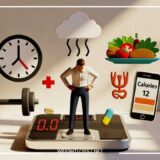
Quick Way to Lose Weight Without Exercise


Quick Way to Lose Weight Without Exercise | Tips & Tricks
Weight loss is one of the most common health goals people set for themselves, yet it often feels like an uphill battle. For many, the idea of an intense, rigid exercise routine is daunting, time-consuming, or simply not feasible due to physical limitations or a demanding schedule. This frequently leads to frustration and the abandonment of weight loss efforts before they can truly take hold. The prevailing narrative often suggests that vigorous physical activity is the only path to shedding pounds, but this is a significant misconception.
The truth is, while exercise is certainly beneficial for overall health, it is only one component of the weight management equation. The cornerstone of successful weight loss is often found not in the gym, but in the kitchen and in the subtle, day-to-day choices we make regarding our nutrition and general lifestyle. This article is dedicated to demonstrating a comprehensive, practical, and highly effective approach to achieving your weight loss goals without ever stepping onto a treadmill or lifting a dumbbell. We will explore a wide array of sustainable tips and tricks suitable for everyone, focusing on the powerful, quiet changes that truly drive results. If you are seeking a simpler, less strenuous path to a healthier weight, you have come to the right place.
Understanding Weight Loss Without Exercise
To successfully lose weight, you must first grasp the fundamental principle that governs it: the calorie deficit. A calorie deficit occurs when you consistently consume fewer calories than your body burns over a period of time. Your body requires a certain amount of energy (calories) just to maintain basic functions—breathing, circulating blood, and keeping organs functioning—a measure known as your Basal Metabolic Rate (BMR). When you add energy burned through daily movement (even non-exercise movement) to your BMR, you get your total daily energy expenditure (TDEE). By ensuring your caloric intake is consistently lower than your TDEE, your body is forced to tap into stored energy—chiefly body fat—to make up the difference, leading to weight loss.
While exercise increases your TDEE and helps burn calories, it is often easier and more sustainable for most people to create a deficit through nutritional changes. A single slice of cake can contain more calories than a half-hour jog burns, illustrating the powerful leverage that diet offers.
Beyond simple calorie counting, several internal factors play a crucial role in regulating weight. Metabolism, the process by which your body converts food and drink into energy, is influenced by the quality of your food, your hydration level, and, importantly, your sleep schedule. Hormonal balance, particularly hormones like ghrelin (which stimulates appetite) and leptin (which signals satiety), is significantly impacted by factors like chronic stress and lack of sleep. By optimizing your nutrition and making strategic lifestyle adjustments—like improving sleep quality and reducing stress—you can naturally encourage your metabolism to work more efficiently and keep your appetite-regulating hormones in check, making the calorie deficit easier to maintain. This holistic approach ensures that weight loss is not just about willpower, but about creating an internal environment where your body is primed for success.
Healthy Eating Habits
The single most effective way to create a calorie deficit is by modifying your eating habits. This doesn’t require a strict or restrictive diet; rather, it involves making smarter choices and adjusting how you approach food.
Portion Control
One of the biggest culprits in weight gain is the sheer volume of food consumed. Modern restaurant portions and even home servings are often significantly larger than the body actually needs. Mastering portion control is crucial. Tips to avoid overeating include:
-
Serving food onto your plate in the kitchen and leaving the main dishes off the table to discourage second helpings.
-
Reading food labels to understand what constitutes a single serving size.
-
Using visual cues for portion estimation: for instance, a serving of grains or starchy vegetables should be roughly the size of your cupped hand.
-
Implementing mindful eating strategies, which we will explore in detail later, to recognize when you are full.
Balanced Meals
Focusing on the composition of your meals is vital. Prioritize foods that are nutrient-dense yet low in caloric density—meaning they provide a high amount of nutrients (vitamins, minerals, fiber) for relatively few calories.
-
Load up on vegetables: Make vegetables (especially non-starchy varieties like leafy greens, broccoli, and peppers) the largest component of your plate at every meal. Their high fiber and water content fill you up quickly with minimal calories.
-
Incorporate fruits: Use whole fruits as a natural source of sweetness and fiber.
-
Choose whole grains: Opt for whole grains (like brown rice, quinoa, and oats) over refined white grains. The intact fiber slows digestion, provides sustained energy, and keeps you feeling full longer.
-
Include healthy fats: Incorporate sources of healthy, unsaturated fats such as nuts, seeds, avocados, and oils like olive or canola oil. While calorie-dense, these fats are essential for nutrient absorption, hormonal balance, and provide a high degree of satiety.
Snacking Wisely
Snacking is not inherently bad, but the type of snack can make or break your weight loss efforts. High-calorie, processed snacks quickly undo a healthy meal plan.
-
Opt for low-calorie, nutrient-rich snacks to curb hunger between meals. Good options include a handful of nuts, a piece of fresh fruit, a small serving of plain yogurt, or cut-up vegetables with a light dip.
-
Pre-portion snacks to prevent mindlessly eating straight from the bag or container.
Reducing Sugar and Refined Carbs
Sugary foods and drinks, along with highly refined carbohydrates (like white bread, pastries, and many processed cereals), are primary contributors to unwanted weight gain. They are often referred to as “empty calories” because they provide energy with minimal essential nutrients.
-
Sugars cause rapid spikes in blood sugar, followed by a crash that can trigger intense hunger and cravings, leading to overeating.
-
They are easily stored as body fat when not immediately used for energy.
-
Focus on eliminating liquid calories first: sodas, sweetened teas, and fruit juices (which lack the fiber of whole fruit).
-
Replace refined grains with the whole-grain alternatives mentioned above.
Hydration
Water is a weight loss secret weapon. Drinking enough water supports metabolism and, crucially, acts as a temporary appetite suppressant.
-
Drink a large glass of water 20–30 minutes before every meal. This helps fill your stomach, potentially leading to smaller meal portions.
-
Consume water-rich foods, such as many fruits and vegetables. These contribute to your feeling of fullness.
-
Often, the brain confuses the sensation of thirst with hunger. Staying well-hydrated helps prevent mistaken hunger signals.
Mindful Eating Techniques
Mindful eating is a powerful behavioral tool that focuses on your awareness during the eating process. It is about paying attention to the food, your body’s signals, and the emotional context of the meal.
Eating Slowly and Chewing Thoroughly
It takes approximately 20 minutes for your stomach to signal to your brain that it is full. Eating quickly bypasses this crucial communication time, almost guaranteeing that you will consume more food than necessary.
-
Put your fork down between bites.
-
Chew your food slowly and thoroughly. This aids digestion and gives your body time to register satiety.
-
Practice being present: turn off the TV, put away your phone, and focus entirely on the meal.
Recognizing Hunger vs. Emotional Eating
Before you reach for a snack or meal, pause and assess your hunger level.
-
Is your hunger physical (stomach rumbling, low energy) or emotional (boredom, stress, sadness)?
-
If it is emotional, try to address the underlying feeling with a non-food-related activity, such as listening to music, taking a few deep breaths, or calling a friend.
Using Smaller Plates and Visual Cues
Psychological tricks can significantly impact your consumption.
-
Use smaller dinner plates and tall, narrow glasses. Smaller plates make a modest portion look substantial, while tall, narrow glasses make you perceive that you are drinking more, especially useful for beverages you want to limit.
-
Color contrast: Serving food on a plate that contrasts in color with the food itself can make you feel like you are eating more.
Managing Cravings and Emotional Eating
Cravings are a natural part of life, but they often derail weight loss goals. Emotional eating—using food to cope with feelings rather than true hunger—is perhaps the single greatest behavioral barrier.
Strategies to Prevent Stress-Related Eating
Stress increases the body’s production of cortisol, a hormone that can promote fat storage, particularly in the abdominal area, and heighten cravings for high-calorie “comfort” foods.
-
Identify your triggers: Keep a journal of when and why you crave certain foods. Was it after a tough phone call? Late at night?
-
Implement a “Pause and Plan” rule: When a craving hits, pause for 10 minutes before giving in. Use that time to drink water, stretch, or engage your mind with a quick chore. Often, the intensity of the craving passes.
-
Develop non-food stress outlets: Engage in activities like reading, light stretching, listening to calming music, or simply spending time in nature when feeling stressed.
Healthy Substitutes for High-Calorie Cravings
You don’t have to eliminate favorite tastes entirely, just find healthier ways to satisfy them.
-
For something sweet and creamy: Try a small bowl of plain Greek yogurt with a drizzle of honey or a few berries.
-
For a salty crunch: Opt for air-popped popcorn (low-calorie and high volume) or roasted chickpeas instead of chips.
-
For a chocolate fix: A small square of dark chocolate (70% cocoa or higher) offers powerful flavor and antioxidants with less sugar than a candy bar.
Creating a Supportive Environment at Home
The easiest way to resist unhealthy foods is not to have them around in the first place.
-
Declutter your kitchen of tempting, highly processed foods, sugary treats, and refined starches.
-
Keep healthy snacks visible and easily accessible on the counter or the front of the fridge.
-
Prepare healthy foods in advance: Chop up vegetables and fruits and store them in clear containers for quick access when hunger strikes.
Lifestyle Changes That Boost Weight Loss
Even without structured exercise, there are countless ways to boost your metabolism, burn more calories, and make your weight loss journey easier simply by optimizing your daily routine.
Sleep
Sleep is perhaps the most underrated factor in weight management. Poor or insufficient sleep directly undermines weight loss efforts.
-
The link between poor sleep and weight gain is hormonal. Lack of sleep lowers leptin (the satiety hormone) and raises ghrelin (the hunger hormone), making you feel hungrier and less satisfied, particularly for high-carb and high-fat foods.
-
Aim for 7–9 hours of quality sleep per night. Establish a consistent sleep schedule and create a relaxing bedtime routine to ensure deep rest.
Stress Management
As previously noted, chronic stress elevates cortisol, leading to increased appetite and fat storage. Effective stress management is critical for weight loss.
-
Deep Breathing Exercises: Even a few minutes of slow, deep, diaphragmatic breathing several times a day can help calm the nervous system.
-
Meditation and Mindfulness: Use a simple app or guide to practice daily mindfulness, which trains you to observe your thoughts and feelings without reacting to them—especially by eating.
-
Journaling: Writing down your thoughts and concerns can be a powerful way to process emotions and reduce the mental burden of stress.
Daily Movement (Non-Exercise Activity Thermogenesis – NEAT)
While you are avoiding structured workouts, you can still significantly increase your calorie expenditure through Non-Exercise Activity Thermogenesis (NEAT). NEAT includes the energy expended for everything we do that is not sleeping, eating, or sports-like exercise.
-
Walking: Take the longest route possible for errands, walk a few laps while on the phone, or make a habit of a brisk 15-minute walk after dinner.
-
Stretching: Incorporate short stretching breaks throughout the day, especially if you have a desk job.
-
Taking the stairs: Always choose the stairs over the elevator or escalator.
Routine Adjustments
Small, consistent adjustments to your daily routine can add up to a significant increase in energy expenditure.
-
Stand more: Use a standing desk or take regular standing breaks every hour. Standing burns more calories than sitting.
-
Increase household chores: Be more vigorous when cleaning, gardening, or doing yard work. These activities are excellent opportunities for calorie burn.
-
Fidgeting: Believe it or not, subtle movements like tapping your foot, shifting your weight, or adjusting your posture can contribute to your daily calorie burn.
Drinks That Can Help
The beverages you choose can either be a major source of empty calories or a helpful tool for hydration and metabolism support.
-
Water is King: Prioritize plain water. Add slices of lemon, lime, or cucumber to make infused water more appealing.
-
Green Tea: Contains compounds like catechins, which have been shown in some studies to temporarily boost metabolism. It also provides a small dose of caffeine, which can increase energy expenditure.
-
Herbal Teas: Non-caloric options like peppermint, ginger, or chamomile tea can be used as a warm, comforting substitute for a high-calorie snack or dessert.
-
Avoiding Sugary Drinks and Sodas: This is a non-negotiable step. They provide absolutely no satiety and deliver massive doses of easily stored sugar.
-
Limiting Alcohol: Most alcoholic beverages contain significant calories, and alcohol consumption can impair judgment, leading to poor food choices afterward. If you do drink, choose low-calorie options and consume them in moderation.
Smart Grocery Shopping Tips
Your weight loss journey begins not at the dinner table, but at the grocery store. What you bring home determines what you eat.
-
Make a List and Stick to It: Grocery stores are engineered to encourage impulse buying, particularly of high-margin, often unhealthy items. A detailed list acts as a protective shield against temptation.
-
Never Shop Hungry: Shopping on an empty stomach makes high-calorie, sugary foods appear overwhelmingly appealing, making you far more likely to stray from your plan. Eat a healthy snack beforehand.
-
Choose Nutrient-Dense, Low-Calorie Foods: Spend the vast majority of your time in the perimeter of the store—the produce, whole grain, and dairy/alternative sections. The center aisles are typically where the most heavily processed and packaged foods reside.
-
Read Labels for Hidden Sugars and Unhealthy Fats: Be vigilant. Sugars can be listed under dozens of names (dextrose, corn syrup, maltose, etc.). Look at the total sugar count and the ingredient list. Be wary of foods marketed as “low-fat,” as fat is often replaced with high amounts of sugar for flavor. Prioritize foods with simple, recognizable ingredient lists.
Tracking Progress Without Obsession
The scale is only one measure of success, and its daily fluctuations—due to water retention, time of day, or other factors—can be frustrating. Tracking your progress effectively means looking beyond the number on the floor.
-
Using Journals, Apps, or Simple Logs: Tracking your food intake is crucial. Studies consistently show that people who log their food, even just for a few weeks, are more successful at weight loss. Use a journal or a simple app to record what you eat, noting the time and your mood.
-
Focusing on Trends Rather Than Daily Fluctuations: Weigh yourself no more than once a week, or use an app that averages your daily weigh-ins to show a smooth, long-term trend line. This prevents the inevitable ups and downs from demotivating you.
-
Celebrating Non-Scale Victories (NSVs): These are the true indicators of a healthy lifestyle change. Track improvements such as:
-
Improved energy levels and mental clarity.
-
Better sleep quality.
-
Clothing fitting looser or needing a smaller size.
-
Improved digestion.
-
Positive lab results from your healthcare provider.
-
Staying Motivated Without Exercise
Motivation often comes after taking action, not before. You sustain momentum by setting up a system that encourages consistency.
-
Setting Realistic, Achievable Goals: A goal of losing two pounds per week is sustainable and safe; aiming for ten pounds in a week is likely to lead to burnout and failure. Break down your ultimate goal into small, manageable milestones.
-
Finding Social Support or Accountability Partners: Share your goals with a supportive friend, family member, or join an online community. Having someone to check in with—even just for a quick text—can significantly boost adherence to your plan.
-
Celebrating Small Milestones: Acknowledge your success for adhering to your plan for a full week, resisting a major craving, or fitting into a favorite pair of trousers. Reward yourself with non-food rewards, like a new book, a relaxing bath, or a movie night.
Common Myths About Weight Loss Without Exercise
Misinformation abounds in the world of weight loss. Understanding and debunking these myths is essential for a clear, focused path.
-
Myth: Exercise is the only way to lose weight.
-
Reality: As detailed here, a sustained calorie deficit created through nutritional and lifestyle changes is the primary driver of weight loss. You can, and many people do, lose significant weight without structured exercise.
-
-
Myth: You have to follow a severe or fad diet to see results.
-
Reality: Extreme diets are typically unsustainable and often lead to weight regain. Sustainable weight loss comes from small, consistent, and moderate changes you can maintain for life.
-
-
Myth: Supplements are necessary to boost metabolism.
-
Reality: The vast majority of weight loss supplements are ineffective, and some can even be dangerous. A healthy metabolism is supported by quality nutrition, adequate sleep, and hydration, not a pill.
-
Final Thoughts
The journey to a healthier weight is a marathon, not a sprint. This comprehensive guide has provided you with a robust toolkit to achieve your weight loss goals without the need for strenuous, time-consuming exercise. The power to transform your body lies in the deliberate, quiet choices you make every single day.
Remember the key takeaways: Create a calorie deficit through mindful eating and portion control, prioritize sleep and stress management, and make a conscious effort to increase non-exercise daily movement. Focus on consuming nutrient-rich whole foods, and be vigilant about eliminating sources of empty calories like sugary drinks. By implementing these strategies consistently, you are not just embarking on a diet; you are building a foundational, sustainable, and powerful lifestyle that will lead to meaningful, long-lasting results. Commit to the process, celebrate your victories, and trust that these subtle, daily improvements will unlock the quick and effective way to lose weight you’ve been seeking. The path to your healthier self begins now.