Losing Weight by Eating More: Smart Strategies for Fat Loss

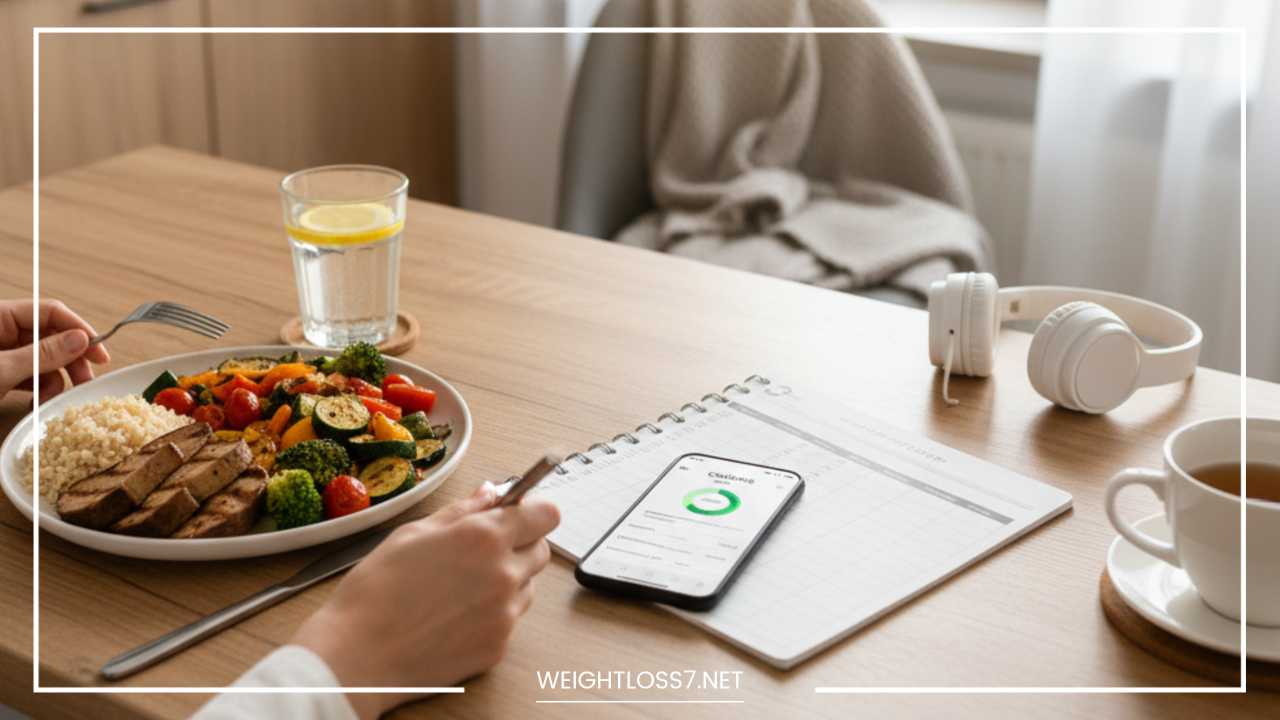
Losing Weight by Eating More: Smart Strategies for Fat Loss
The journey to fat loss is often framed by a single, restrictive mantra: eat less. For decades, popular advice has hinged on severe calorie restriction, fostering a sense of deprivation and often leading to frustrating plateaus and eventual weight regain. But what if the conventional wisdom is only half the story? What if the key to sustainable, effective fat loss isn’t about eating less, but about eating more strategically?
This radical-sounding idea challenges the notion that hunger is a necessary companion to weight loss. Instead, it proposes a smarter, science-backed approach centered on fueling your body with the right type of energy, at the right time, and in the right quantity to actually boost your metabolism. This strategy works for everyone, regardless of their current lifestyle, by turning your body into a more efficient fat-burning machine. The goal is simple: to provide a guide that helps you shed unwanted fat while feeling satisfied, energetic, and fully nourished. Prepare to discard the deprivation mindset and discover how eating more can truly be the path to a leaner, healthier you.
Understanding Weight Loss
To appreciate why eating more strategically works, it’s essential to grasp the fundamental mechanics of weight loss. At its core, weight management revolves around calorie balance. If you consistently consume more calories than your body uses for energy, you gain weight; if you consume fewer, you lose weight. This is the simple math, but the biology is far more complex.
Your body’s energy expenditure is determined by several factors: your Basal Metabolic Rate (BMR)—the calories burned at rest—the energy needed for physical activity, and the Thermic Effect of Food (TEF)—the calories burned digesting food. Metabolism is the engine that drives this entire process, and it’s incredibly adaptive.
The problem with severely restricting calories is that your body interprets it as a famine. In response, it initiates a series of self-protective measures. Your metabolism slows down to conserve energy, making it harder to burn fat. Furthermore, you experience intense, uncontrollable cravings as your body seeks the nutrients it’s missing. Over time, severe restriction often leads to the loss of precious muscle tissue along with fat, which further lowers your BMR, cementing a metabolic slowdown. This vicious cycle is why restrictive diets are so often unsustainable.
The smarter approach, the foundation of “losing weight by eating more,” focuses not just on the quantity of calories, but the quality of calories and their timing. By selecting nutrient-dense foods that require more energy to process and by fueling the body consistently, we signal safety to the metabolism, encouraging it to remain robust and ready to burn fat rather than hoard it. This shift in focus is the crucial difference between temporary weight loss and lasting, healthy fat loss.
The Science Behind Eating More and Losing Weight
The concept that you can lose weight while maintaining a satisfying food intake isn’t a paradox; it’s a testament to how the body’s metabolic system truly functions. Several key physiological principles underpin this strategy.
The Thermic Effect of Food (TEF)
Every time you eat, your body expends energy just to digest, absorb, transport, and store the nutrients from that meal. This is the Thermic Effect of Food (TEF), and it contributes to your total daily calorie burn. Different types of foods have different TEFs. Processing highly processed or refined foods often requires minimal energy, while digesting nutrient-dense, fibrous whole foods demands significantly more energy.
By strategically increasing your intake of high-TEF foods—those rich in complex carbohydrates, fiber, and healthy fats—you literally increase the metabolic cost of eating. You’re eating a larger volume of food, feeling fuller, but the net caloric impact is mitigated because your body has to work harder to process it. This is a subtle yet powerful metabolic advantage.
Preventing Overeating with Frequent Meals
Contrary to the belief that eating less often is better, frequent, balanced eating can be a potent fat loss tool. When meals are spaced too far apart, blood sugar levels can drop, leading to intense hunger and a subsequent “primal urge” to consume quickly accessible, high-calorie foods. This often results in a massive, reactive overeating event.
By eating 4–6 smaller, balanced meals or snacks throughout the day, you help stabilize blood sugar and insulin levels. This consistency prevents the dramatic dips that trigger powerful cravings, allowing you to maintain better control over your appetite and avoid the large, calorie-dense emergency meal. You are, in fact, consuming more often, but the controlled, even distribution of calories is better for managing overall intake.
Metabolism and Muscle Preservation
Sustainable fat loss depends heavily on maintaining or even building muscle mass. Muscle tissue is metabolically active, meaning it burns more calories at rest than fat tissue. When you starve your body through severe caloric restriction, your body often cannibalizes muscle for energy, reducing your BMR and making long-term fat loss incredibly difficult.
Eating a sufficient amount of nutrient-rich foods, coupled with the right kind of physical activity, provides your body with the necessary building blocks to preserve muscle. A well-fueled metabolism, supported by adequate nutrients, is more likely to tap into stored fat for energy rather than breaking down muscle tissue.
It’s crucial to address the common myth that “more food automatically means weight gain.” This is only true if the increased intake consists of low-quality, high-calorie-density foods. The strategic approach is about maximizing nutrient and volume intake while controlling calorie density, thereby encouraging the metabolism to stay high and utilizing fat stores for fuel.
Smart Eating Strategies
The heart of the “eat more, lose weight” philosophy lies in being smart about what you increase and when you consume it. These strategies focus on maximizing nutrient intake, managing hunger, and optimizing metabolic function.
1. Focus on Nutrient-Dense Foods
The quality of your calories dictates their impact on your body’s energy and satiety signals. A key strategy is to shift your food choices dramatically towards nutrient-dense foods, which deliver a high amount of vitamins, minerals, and fiber for a relatively lower caloric cost. These are the foods you can, and should, eat in larger portions.
- The Power of Fiber: Foods rich in fiber—such as whole grains, legumes, fruits, and vegetables—are paramount. Fiber adds volume to your meals, creating a feeling of fullness without adding significant calories. It also slows digestion, contributing to stable blood sugar and sustained energy. You can literally eat a massive bowl of leafy greens or a hearty serving of cooked vegetables for the same caloric cost as a small handful of processed crackers.
- Volumetric Eating: This principle is about filling your plate with foods that have a low caloric density. Think water-rich foods (like most fruits and vegetables) and foods high in fiber (like lentils and beans). These ingredients allow you to enjoy a visually and physically satisfying portion without over-consuming calories.
- Healthy Fats: Don’t fear fats. Fats are essential for hormone production, nutrient absorption, and satiety. Include sources of healthy fats like nuts, seeds, and avocados in controlled portions. They provide long-lasting energy and keep hunger at bay, preventing the urge to snack unnecessarily later.
By replacing calorie-dense, low-nutrient foods with nutrient-dense, high-volume foods, you effectively increase your food intake (volume and nutrients) while simultaneously decreasing your calorie density.
2. Increase Meal Frequency Strategically
Instead of three large meals, aim for four to six smaller eating opportunities throughout the day. This is not about constantly grazing, but about structured, balanced mini-meals and strategic snacks.
- Stabilize Blood Sugar: Frequent, smaller meals help maintain steady blood sugar levels, preventing the energy crashes and extreme hunger that lead to poor food choices.
- Macro Balance: Ensure each eating occasion includes a balance of complex carbohydrates, satisfying fats, and protein. For instance, a small mid-morning snack could be a piece of whole-grain toast with nut butter and fruit, providing all three essential macronutrients for sustained energy.
- Portion Control is Key: While you are eating more often, you must be mindful that the individual portions are smaller than a traditional main meal. The goal is to move from feeling “stuffed” to feeling “comfortably satisfied” at all times.
3. Timing Matters
When you eat can be nearly as important as what you eat, especially when trying to optimize energy and fat burning.
- Don’t Skip Breakfast: A balanced meal shortly after waking signals to your body that food is abundant, helping to kickstart your metabolism for the day. This prevents morning blood sugar dips that lead to intense hunger by lunchtime.
- Fuel Your Activity: Consume easily digestible complex carbohydrates and a source of protein pre-activity to ensure you have the energy for a high-quality workout. This allows you to push harder, increasing your total calorie burn. A post-activity meal rich in protein and carbohydrates is vital for repairing muscle tissue and replenishing energy stores, which keeps your metabolism robust. Skipping this recovery meal is a missed opportunity for metabolic support.
- Manage Evening Intake: While avoiding food late at night is not universally necessary, being mindful of what you eat is important. Focus on highly satisfying, lower-calorie-density choices in the later hours to support a restful night and prevent excessive calorie accumulation before sleep.
4. Hydration and Its Role in Appetite
Water is often the most overlooked nutrient in fat loss. Drinking enough water is critical because the body often confuses thirst with hunger.
- Appetite Suppressant: Consuming a large glass of water before a meal can physically help fill your stomach, signaling satiety.
- Metabolic Function: Water is required for virtually every metabolic process in the body, including fat metabolism (lipolysis). Even mild dehydration can slow down the fat-burning process.
- Hydrating Foods: Incorporate water-rich fruits and vegetables (like cucumber, melons, and leafy greens) into your diet. These foods contribute to your overall hydration and add significant volume to your meals with minimal calories.
Incorporating Movement for Better Results
The smartest eating strategies are exponentially more effective when combined with regular physical activity. Movement is the other half of the fat loss equation, and it’s the key factor that allows you to confidently eat a larger volume of food while still achieving a calorie deficit and accelerating fat loss.
Movement not only burns calories directly but, more importantly, increases your overall metabolic rate and changes how your body uses the food you eat.
Types of Movement that Support Metabolism:
- Strength Training for Muscle Preservation: This is arguably the most critical type of movement for the “eat more, lose fat” strategy. Lifting weights or engaging in resistance training (bodyweight exercises count!) signals to your body that it needs to preserve and build muscle tissue. By maintaining muscle, you ensure that the calories you burn at rest (your BMR) stay high. This allows you to eat a more substantial, satisfying amount of food while maintaining a fat-loss environment.
- Cardio for Calorie Burn: Activities like running, swimming, cycling, or brisk walking are excellent for burning a significant number of calories in a single session. This directly widens the gap between the calories you consume and the calories you expend, accelerating fat loss. The better fueled you are (thanks to smart eating), the more intense and longer your cardio sessions can be.
- NEAT (Non-Exercise Activity Thermogenesis): NEAT is the energy expended for everything that is not sleeping, eating, or dedicated exercise. This includes walking, fidgeting, standing up, taking the stairs, and cleaning. Small, consistent movements throughout the day can add up to hundreds of extra calories burned, further allowing for a higher, more satisfying food intake without compromising your fat loss goals.
The Fueling Advantage
Exercise fundamentally changes your energy needs. When you are physically active, the nutrients you consume are more readily partitioned toward muscle repair and energy replenishment rather than being stored as fat. This is why a well-timed, substantial post-activity meal is necessary—it maximizes muscle recovery and metabolic rate. By moving more, you earn the right to eat more—more volume, more nutrients—while still achieving the necessary fat-loss conditions.
Mindful Eating and Behavior Strategies
Eating more strategically isn’t just about food choices; it’s also about transforming your relationship with food. Mindful eating is a powerful behavioral tool that ensures the calories you consume are counted and appreciated, not mindlessly ingested.
Tuning into Hunger and Fullness Cues
Modern life often distracts us from our body’s innate signals. The goal of mindful eating is to reconnect with these cues.
- Before Eating: Ask yourself, “Am I physically hungry, or am I bored, stressed, or thirsty?” A five-minute pause can help you differentiate genuine hunger from emotional cravings.
- During Eating: Eat slowly. It takes approximately 20 minutes for your stomach to signal to your brain that it is full. Rushing through a meal almost guarantees overeating. Put your utensil down between bites, savor the flavor and texture, and engage all your senses.
- After Eating: Aim to stop when you feel “satisfied” (around an 8/10 on a fullness scale), not “stuffed.” Since you are eating more often, you don’t need to overfill yourself at any single meal.
Planning to Prevent Impulse
Failing to plan is planning to fail, especially when it comes to fat loss. Impulsive eating rarely involves nutrient-dense foods; it usually involves high-calorie, low-satiety choices.
- Meal Preparation: Dedicate time to prepare meals or components for the week. Having healthy, satisfying food ready reduces the temptation to order takeout or grab processed snacks.
- Strategic Snacking: Don’t wait until you’re ravenous to find food. Plan your 1-2 strategic snacks, like fruit with nuts or a high-fiber whole-grain cracker with a spread, to bridge the gap between meals and keep your blood sugar steady.
Addressing Emotional Eating
Many people overeat not out of physical hunger, but as a coping mechanism for stress, boredom, or sadness.
- Identify Triggers: Keep a log of when you feel the urge to eat when you’re not hungry. What emotion or situation preceded the urge?
- Develop Non-Food Coping Strategies: Once a trigger is identified, replace the eating response with a healthier activity: go for a short walk, call a friend, journal, or practice deep breathing. Re-framing food as fuel rather than comfort is a crucial step in sustainable fat loss.
Common Mistakes to Avoid
While the principles of strategic eating are sound, certain pitfalls can derail your progress. Avoiding these common mistakes ensures you are truly eating smarter for fat loss, not simply more.
- The “Unlimited Food” Myth: The biggest mistake is assuming that because you are focusing on nutrient-dense foods, they can be eaten in truly unlimited quantities. While you can and should eat more volume, things like nuts, seeds, avocados, and even healthy whole grains are still calorie-dense. Always be mindful of your portions, especially with high-fat or energy-dense foods. Even the healthiest foods contribute to your calorie balance.
- Ignoring Calorie Density: A large salad with a tiny amount of dressing is a great example of low caloric density. The same large salad drowning in creamy dressing, croutons, and cheese becomes a high-calorie bomb. The strategy is to maximize volume with low-density components (vegetables, water-rich fruits, broth-based soups) and use calorie-dense items (fats, toppings) sparingly.
- Over-relying on Snacks: Frequent eating should consist of balanced, mini-meals, not a constant stream of highly processed snack foods. Snacks should be strategic bridge meals, not an excuse to constantly consume energy. If you are eating every two hours, ensure the food choice is intentional and contributes to your nutrient needs and satiety.
- The Expectation of Immediate Results: Fat loss is a non-linear process. Metabolism takes time to adjust, and the body needs consistency before it trusts that this new eating pattern is permanent. Don’t expect dramatic weight drops overnight. Focus on energy levels, improved sleep, better concentration, and physical performance. Consistency, not crash dieting, is the single most important factor. Stay consistent with smart eating and regular movement, and the fat loss will follow.
Sample Daily Eating Approach (Practical Application)
To illustrate how to incorporate strategic, high-volume eating into a day, here is a flexible example that prioritizes nutrient density, fiber, and timing:
| Timing | Meal/Snack Example | Nutrient Focus & Volume Idea |
| Breakfast (within 1 hour of waking) | Oatmeal with mixed berries, walnuts, and a sprinkle of cinnamon. | Complex Carbs, Fiber, Protein, Fat. A large bowl of oatmeal and berries provides significant volume and satiety for relatively few calories. |
| Mid-Morning Snack (2.5–3 hours after breakfast) | A medium piece of fresh fruit and a handful of almonds. | Simple Carbs, Fiber, Healthy Fat. Prevents the energy dip and keeps blood sugar stable until lunch. |
| Lunch (2.5–3 hours after snack) | Large bowl of lentil soup or chili, served with a large mixed-green salad and a whole-grain roll. | Protein, Fiber, High Volume. Soup and salad are excellent for volume. Lentils provide substantial, long-lasting energy and protein. |
| Pre-Activity Snack (30-60 mins before exercise) | Small piece of fruit or a few dates. | Quick Carbs. Provides fast, clean energy for a high-quality workout. |
| Post-Activity Meal/Dinner (within 1 hour of exercise or as dinner) | Stir-fry made with a generous amount of colorful vegetables (broccoli, peppers, carrots), firm non-animal protein source (like tofu or beans), and a moderate serving of brown rice. | Protein, Carbs, Vegetables (High Volume). Essential for recovery and replenishing energy. Focus on a very large volume of vegetables. |
| Evening Snack (Optional, if truly hungry) | A cup of herbal tea and a small portion of air-popped popcorn or a small serving of fruit. | Hydration, Fiber (Low Calorie Density). Satisfying crunch/sweetness without a high calorie load before sleep. |
The key takeaway from this sample is the sheer volume of vegetables, fruits, and whole grains consumed, ensuring the body is constantly supplied with fiber and nutrients, maximizing satiety, and keeping the metabolism humming.
Final Thoughts
The idea of losing weight by eating more is more than a catchy phrase; it’s a sustainable, evidence-based approach to fat loss that focuses on metabolic health and satiety over deprivation. You now hold the strategies to move beyond the limiting mindset of calorie restriction.
The key takeaways are clear:
- Prioritize Quality: Eat more high-volume, nutrient-dense, fiber-rich whole foods. Use the Thermic Effect of Food (TEF) to your advantage.
- Optimize Metabolism: Fuel your body consistently with strategic, frequent meals to stabilize blood sugar and prevent metabolic slowdown.
- Combine with Movement: Incorporate regular strength training and physical activity to preserve muscle mass, increase your Basal Metabolic Rate (BMR), and earn the right to a satisfying food intake.
- Embrace Mindfulness: Pay attention to your body’s signals and replace emotional eating with healthier coping strategies.
This method works because it aligns your eating habits with your body’s natural needs, providing sustained energy while encouraging the body to tap into stored fat. Fat loss no longer needs to feel like a punishment or a battle against constant hunger. By eating more of the right things, you are feeding a robust metabolism, fostering a healthy relationship with food, and setting the stage for permanent, energetic fat loss. Embrace this shift in mindset, and experience the freedom of being satisfied on your journey to a healthier you.