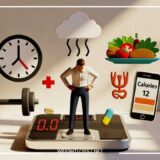
Losing Fat Diet: Effective Plans for Men and Women


Losing Fat Diet: Effective Plans for Men and Women
The journey toward a healthier body composition is often framed through the narrow lens of the scale. However, achieving a “losing fat diet” is a process that extends far beyond simple weight reduction. To succeed, one must first understand the fundamental difference between losing weight and losing fat. Weight loss is a generic term that encompasses the loss of water, muscle, and bone density alongside fat. Fat loss, conversely, is the specific physiological process of reducing adipose tissue while preserving lean muscle mass. This distinction is critical because muscle is metabolically active; the more of it you retain, the more efficiently your body burns energy.
Many people approach dieting with a mindset of temporary restriction, viewing it as a short-term hurdle to be cleared. This often leads to the “yo-yo” effect, where weight is lost rapidly through extreme measures and regained just as quickly once normal eating habits resume. A truly effective fat-loss plan is built on sustainability. It focuses on nourishing the body rather than depriving it. By shifting the perspective from “going on a diet” to “optimizing nutrition,” men and women can achieve results that last a lifetime.
The modern landscape of health advice is often cluttered with misconceptions. Many believe that certain foods have “fat-burning” properties or that skipping meals is a shortcut to success. In reality, fat loss is the result of a complex interplay between caloric intake, hormonal balance, physical activity, and psychological well-being. This guide provides a comprehensive look at how to navigate these factors to build a body that is not only leaner but also stronger and more resilient.
How Body Fat Works
To lose fat effectively, it is helpful to understand why the body stores it in the first place. Body fat, or adipose tissue, is an essential organ. It serves as a primary energy reserve, provides insulation, protects internal organs, and plays a vital role in hormone production. Problems arise not from the presence of fat, but from its excess.
The accumulation of fat occurs through a process called lipogenesis. When we consume more energy than our body requires for its immediate functions—such as breathing, digestion, and movement—the excess energy is converted into triglycerides and stored in fat cells. When the body faces an energy deficit, it triggers lipolysis, the process of breaking down these stored triglycerides to be used as fuel.
Several factors influence how and where we store fat. Age plays a significant role; as we get older, our metabolic rate naturally slows down, and hormonal shifts can make it easier to gain fat and harder to maintain muscle. Hormones like insulin, cortisol, and leptin act as the body’s messengers, telling it when to store energy and when to release it. High levels of chronic stress, for instance, can elevate cortisol, which is often linked to increased abdominal fat.
Furthermore, activity levels and sleep quality dictate the efficiency of our metabolism. A sedentary lifestyle reduces the body’s demand for energy, making it easier to enter a surplus. Meanwhile, poor sleep disrupts hunger hormones, often leading to increased cravings for high-energy, processed foods. Understanding that fat storage is a biological safeguard rather than a personal failing is the first step toward managing it effectively.
Core Principles of a Fat-Loss Diet
The bedrock of any losing fat diet is the principle of energy balance. To lose fat, you must consistently exist in a state where the energy you expend exceeds the energy you consume. This is known as a calorie deficit. However, the quality of that deficit determines whether the journey is a success or a struggle.
A sustainable calorie deficit is usually moderate—roughly 10% to 20% below your total daily energy expenditure. Drastic cuts in calories often backfire, as they trigger the body’s starvation response, slowing down the metabolism and increasing the likelihood of muscle loss. The goal is to find the “sweet spot” where fat is lost steadily, but energy levels remain high enough to support daily life and exercise.
Nutrient density is the second core principle. While a calorie is a unit of energy, the source of that calorie matters for satiety and health. Foods that are high in volume but low in calories—such as various vegetables and fibers—allow you to eat satisfying portions while remaining within your goals. Balancing macronutrients is also essential. Carbohydrates provide the glucose needed for brain function and physical activity; fats are necessary for hormone health and vitamin absorption; and protein is the building block for muscle repair.
Consistency is more important than perfection. A single “unhealthy” meal will not ruin your progress, just as a single salad will not achieve your goal. The most successful individuals are those who can maintain their habits 80% to 90% of the time. This flexibility prevents the psychological burnout that accompanies overly restrictive “all-or-nothing” approaches.
Foods That Support Fat Loss
While we are avoiding specific categories like meat or eggs, the world of nutrition remains vast and abundant. The focus should be on whole, minimally processed foods that provide high levels of satiety. Satiety—the feeling of being full and satisfied—is the greatest tool against the temptation of overeating.
High-fiber foods are champions of fat loss. Fiber slows down digestion, leading to a slower release of glucose into the bloodstream and a longer-lasting feeling of fullness. This includes a wide array of legumes, whole grains, fruits, and vegetables. Legumes, in particular, are excellent because they provide a dual punch of fiber and quality protein, which helps in maintaining lean tissue.
Complex carbohydrates, such as oats, quinoa, and brown rice, should be prioritized over refined grains. Refined sugars and flours cause sharp spikes in insulin, which can promote fat storage and lead to energy crashes that trigger further hunger. By choosing complex versions, you ensure a steady stream of energy throughout the day.
Healthy fats should not be feared. While fat is more calorie-dense than carbohydrates or protein, it is essential for absorbing fat-soluble vitamins (A, D, E, and K). Sources such as nuts, seeds, and oils derived from fruits and vegetables contribute to brain health and keep the skin and hair healthy during a fat-loss phase.
Hydration is an often-overlooked component. Water is involved in every cellular process, including the breakdown of fat. Sometimes, the brain confuses thirst signals with hunger signals, leading to unnecessary snacking. Staying well-hydrated ensures that your metabolism functions at its peak and helps manage appetite.
Meal Timing and Eating Patterns
The question of when to eat is often debated in the fitness world. Does a late-night snack immediately turn into fat? Does eating six small meals a day “stoke the metabolic fire”? The short answer is that for most people, total daily intake is far more important than the specific clock time of your meals.
Metabolism does not shut down at 8:00 PM. If you consume a balanced meal in the evening that fits within your daily energy needs, your body will process it just as it would at noon. However, late-night eating can sometimes be a trap for mindless, emotional snacking on calorie-dense foods. If you find that eating late leads to poor choices, setting a “kitchen closed” time can be a helpful behavioral tool.
Regarding meal frequency, there is no one-size-fits-all answer. Some people prefer three large, structured meals to stay full, while others prefer five or six smaller feedings to keep their blood sugar stable. The best pattern is the one that prevents you from reaching a state of “ravenous hunger.” When we become too hungry, our ability to make rational, healthy food choices diminishes, and we are more likely to overeat at the next meal.
Listening to internal hunger and fullness cues—a practice known as mindful eating—is often more effective than following a rigid schedule. Learning to distinguish between “stomach hunger” (physical need) and “head hunger” (boredom, stress, or habit) is a superpower in any losing fat diet.
Fat Loss Differences and Similarities Between Men and Women
While the fundamental law of thermodynamics applies to everyone, biological differences mean that men and women may experience fat loss differently. Recognizing these nuances can help prevent frustration and allow for a more tailored approach.
Men generally have a higher percentage of lean muscle mass and a higher basal metabolic rate. This often means men can lose fat while consuming more calories than women of the same weight. Men also tend to store fat in the abdominal region (visceral fat), which is metabolically active and often easier to mobilize through diet and exercise, though it carries higher health risks.
Women, on the other hand, naturally carry more essential body fat for reproductive health. Hormonal fluctuations throughout the menstrual cycle can significantly impact water retention, appetite, and energy levels. It is common for women to see the scale stall or even rise during certain weeks of the month, even if they are losing fat. Understanding these cycles is crucial for maintaining morale. Women also tend to store more subcutaneous fat (under the skin) in the hips and thighs, which the body often holds onto more stubbornly.
Despite these differences, the core strategies remain the same. Both men and women require a calorie deficit, adequate protein, and resistance training to preserve muscle. The journey might move at different speeds, but the destination is reachable for everyone through patience and adherence to the plan.
Lifestyle Factors That Impact Fat Loss
A diet does not exist in a vacuum. You could have a perfect nutritional plan on paper, but if your lifestyle is chaotic, the body will resist fat loss. Sleep is perhaps the most underrated pillar of health. When you are sleep-deprived, your body increases production of ghrelin (the hunger hormone) and decreases leptin (the fullness hormone). Lack of sleep also reduces your willpower, making the doughnut in the breakroom look much more appealing than the fruit in your bag.
Stress management is equally vital. Chronic stress keeps the body in a “fight or flight” mode, which can lead to elevated blood sugar and insulin resistance. Finding ways to decompress—whether through meditation, reading, or light walking—can actually help your body let go of stored fat.
Physical activity should be viewed in two parts: structured exercise and non-exercise activity thermogenesis (NEAT). Structured exercise, like lifting weights or swimming, builds fitness and muscle. However, NEAT—which includes walking, taking the stairs, gardening, and even fidgeting—often accounts for a larger portion of our daily energy burn. Increasing your daily step count is one of the simplest and most effective ways to support a losing fat diet.
Mental health also plays a primary role. Emotional eating is a common response to loneliness, anxiety, or sadness. Addressing the root causes of these emotions and developing non-food coping mechanisms is essential for long-term success.
Common Fat Loss Mistakes to Avoid
In the quest for results, many people fall into traps that actually hinder their progress. One of the most common is skipping meals. While it might seem like a good way to save calories, it usually leads to extreme hunger later in the day, resulting in a binge that exceeds the calories saved.
Another mistake is cutting calories too low. When the body senses a severe energy shortage, it may downregulate certain processes to save energy, making you feel lethargic and cold. This “metabolic adaptation” makes it harder to continue losing fat and often leads to a quick regain once calories are increased.
Over-reliance on “diet” products or “low-fat” labeled items is also a frequent pitfall. These products are often highly processed and may contain added sugars or artificial thickeners to compensate for the loss of flavor. It is almost always better to eat a smaller portion of a whole food than a large portion of a highly processed “diet” version.
Finally, many people become obsessed with the scale. Body weight fluctuates daily based on salt intake, hydration, and muscle inflammation after a workout. If the scale doesn’t move for a week, it doesn’t mean you aren’t losing fat. Using other markers of progress—such as how your clothes fit, your energy levels, and your strength in the gym—provides a much more accurate picture of your transformation.
Creating a Personalized Fat Loss Plan
There is no “best” diet that works for every person on earth. The best diet is the one you can stick to. To create your own plan, start by assessing your current habits. Don’t try to change everything overnight. If you currently drink three sodas a day, try switching to sparkling water first. If you don’t eat any vegetables, try adding one serving to dinner.
Set realistic goals. A loss of 0.5 to 2 pounds per week is considered safe and sustainable. Anything faster than that often involves muscle loss or extreme restriction that won’t last. Use a palm-based portion guide if you find calorie counting too stressful: a palm-sized portion of protein, a fist-sized portion of vegetables, a cupped hand of carbohydrates, and a thumb-sized portion of fats.
Planning is your best defense against convenience-driven poor choices. You don’t need to spend eight hours “meal prepping,” but having a general idea of what you will eat for the next two days can prevent the “what’s for dinner?” panic that leads to takeout.
Track your progress through multiple methods. Take photos, measure your waist, and keep a journal of how you feel. When you have a bad day—and everyone does—don’t throw away the whole week. Simply make the next best choice available to you.
Staying Consistent and Motivated
Motivation is what gets you started, but habit is what keeps you going. Motivation is an emotion, and like all emotions, it is fleeting. There will be days when you don’t want to eat well or move your body. This is where systems and routines take over. If your gym clothes are already laid out and your lunch is already packed, you are much more likely to follow through even when your motivation is low.
Plateaus are a natural part of the fat-loss process. The body is an adaptable machine; as you lose weight, you require fewer calories to maintain your new size. When progress stalls for more than three weeks, it may be time to slightly increase your activity or marginally reduce your portion sizes.
Celebrate non-scale victories. Did you have more energy to play with your children? Did you choose a salad over fries because you actually wanted the nutrients? Did your blood pressure improve? These are the real markers of a successful losing fat diet. They represent a fundamental shift in your relationship with your body and food.
Maintaining a healthy relationship with food means moving away from labeling foods as “good” or “bad.” Food is fuel, but it is also culture, celebration, and pleasure. Learning how to incorporate treats in moderation without guilt is the key to never needing to “diet” ever again.
Final Thoughts: Sustainable Fat Loss for Life
Losing fat is a marathon, not a sprint. The strategies outlined in this guide—prioritizing nutrient density, managing lifestyle factors, and understanding your own biology—provide a roadmap to a healthier version of yourself. By focusing on what you can add to your life (more movement, more fiber, more sleep) rather than just what you are taking away, the process becomes an act of self-care rather than punishment.
Remember that your body is unique. What works for a friend or a celebrity might not be the perfect fit for you. Be patient with yourself, stay curious about how your body responds to different foods and activities, and always prioritize long-term health over short-term aesthetics.
A successful fat-loss journey doesn’t end when you reach a certain number on the scale; it evolves into a lifestyle of maintenance and vitality. You have the tools and the knowledge to make informed decisions that support your goals. Trust the process, stay consistent, and enjoy the increased energy and confidence that comes with a healthier, leaner body.