Is There a Way to Lose Weight Without Exercise?


Is There a Way to Lose Weight Without Exercise? Proven Strategies That Work
The fitness industry often paints a picture of weight loss that involves grueling hours at the gym, high-intensity interval training, and dripping sweat. For many, this imagery is the primary barrier to starting a health journey. Whether due to physical limitations, chronic pain, a demanding career, or simply a deep-seated dislike for structured workouts, the question remains: is it actually possible to lose weight without exercise?
The short answer is a resounding yes. While physical activity offers undeniable benefits for cardiovascular health, mood regulation, and muscle preservation, it is not the sole lever you can pull to change your body composition. In fact, for the vast majority of people, the kitchen is where the most significant transformations begin. Weight loss is fundamentally an internal biological process governed by energy balance. By understanding how your body uses fuel and how to manage your environment, you can achieve sustainable weight loss without ever stepping foot on a treadmill.
This article explores the science of weight loss through the lens of nutrition, psychology, and lifestyle habits. We will break down the proven strategies that allow you to create a caloric deficit, manage your hunger, and optimize your metabolism through methods that have nothing to do with “working out.”
How Weight Loss Actually Works: The Science Made Simple
To lose weight without exercise, you must first understand the concept of Energy Balance. Every day, your body requires a specific amount of energy to keep your heart beating, your lungs breathing, and your brain functioning. This baseline energy requirement is known as your Basal Metabolic Rate (BMR).
The Math of Metabolism
Your total daily energy expenditure (TDEE) is comprised of several factors:
-
Basal Metabolic Rate (BMR): This accounts for approximately 60% to 75% of the calories you burn. It is the energy used for basic physiological functions while at rest.
-
Thermic Effect of Food (TEF): The energy required to digest, absorb, and process the nutrients in your meals. This accounts for about 10% of your daily burn.
-
Non-Exercise Activity Thermogenesis (NEAT): The energy expended for everything we do that is not sleeping, eating, or sports-like exercise. This includes walking to your car, typing, gardening, and even fidgeting.
-
Exercise Activity Thermogenesis (EAT): The calories burned during intentional exercise.
Notice that for most people, intentional exercise (EAT) is the smallest sliver of the pie. If you aren’t exercising, you are still burning the vast majority of your daily calories through BMR and TEF. Weight loss occurs when the energy you take in through food and drink is less than the energy your body uses to maintain itself. This is known as a caloric deficit.
Why Diet Plays a Bigger Role
It is significantly easier to avoid consuming 500 calories than it is to burn 500 calories through movement. For example, a single large blueberry muffin might contain 500 calories. To burn that off, an average person might need to walk briskly for over 90 minutes. By focusing on nutritional intake, you are addressing the “input” side of the equation, which is far more efficient than trying to out-run a high-calorie diet. When exercise is removed from the equation, the precision of your nutritional choices becomes the primary driver of your success.
Control Your Calorie Intake Without Feeling Miserable
The most common mistake in weight loss is the “starvation” mindset. If you simply eat less of the same low-nutrient, high-calorie foods, you will likely end up hungry, irritable, and prone to binging. To lose weight without exercise, you must learn to manage your volume and your environment.
Portion Awareness and Visual Cues
In our modern food environment, portion sizes have drifted toward the extreme. We often eat based on the size of the container rather than our internal hunger cues. A simple way to manage this without counting every single calorie is the Plate Method:
-
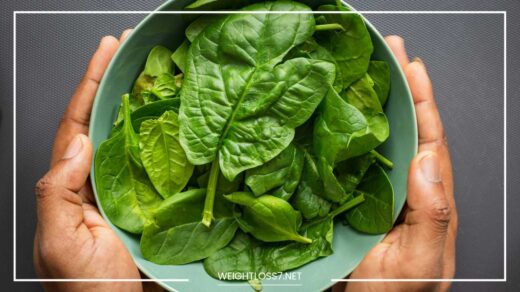
Fill half your plate with non-starchy vegetables (broccoli, leafy greens, peppers, etc.).
-
Fill one-quarter with a lean protein source (beans, lentils, tofu, or dairy).
-
Fill the remaining quarter with complex carbohydrates (brown rice, quinoa, or sweet potato).
By prioritizing volume through vegetables, you can eat a large, satisfying plate of food while keeping the total calorie count low.
High-Volume, Low-Calorie Swaps
Success in weight loss often comes down to the “swaps” you make. Consider the density of your food. Energy density refers to the number of calories in a specific weight of food.
-
Swap refined grains for whole grains: Whole grains like oats and barley contain fiber that takes up more space in the stomach.
-
Swap liquid calories for water or tea: Sodas, sweetened coffees, and juices provide almost no satiety (fullness) but contribute hundreds of extra calories.
-
Swap heavy sauces for herbs and citrus: Use lemon juice, vinegar, and spices to flavor food instead of cream-based or oil-heavy dressings.
The Art of Mindful Eating
How you eat is often as important as what you eat. It takes about 20 minutes for your brain to receive the signal from your stomach that you are full. If you finish a meal in five minutes while watching television, you are likely to overeat because the “fullness” signal hasn’t arrived yet.
-
Eliminate distractions: Turn off the TV and put away your phone.
-
Chew thoroughly: This slows down the pace of the meal and aids digestion.
-
Check-in: Halfway through the meal, stop and ask yourself if you are actually still hungry or just eating because the food is there.
Increase Satiety to Naturally Eat Less
Satiety is the feeling of being full and satisfied after a meal. When you aren’t exercising, managing your hunger hormones is vital to prevent “grazing” throughout the day.
The Power of Fiber
Fiber is a type of carbohydrate that the body cannot digest. Because it passes through your system slowly, it keeps you feeling full for longer. Foods high in fiber, such as legumes (beans and chickpeas), seeds, and cruciferous vegetables, add bulk to your diet without adding significant calories. Aim for a variety of fiber sources to support gut health, which is also linked to weight management.
The Role of Protein
Protein is the most satiating macronutrient. It requires more energy to digest (the Thermic Effect of Food mentioned earlier) and helps preserve lean muscle mass even when you are in a caloric deficit. While many associate protein with animal products, it is easily found in many other sources. Incorporating lentils, chickpeas, Greek yogurt, cottage cheese, or tofu into your meals ensures that you stay satisfied between breakfast and lunch, reducing the urge to reach for high-calorie snacks.
Balancing Blood Sugar
Cravings are often the result of blood sugar “spikes and crashes.” When you eat simple sugars (like white bread or candy), your blood sugar rises rapidly, followed by a sharp drop. This drop triggers the brain to demand more quick energy, leading to a cycle of overeating. By pairing carbohydrates with fiber, healthy fats, and protein, you slow the absorption of sugar into the bloodstream, creating a steady energy level throughout the day.
Improve Sleep to Support Weight Loss
If there is a “secret weapon” for losing weight without exercise, it is sleep. Research consistently shows that sleep deprivation is a major risk factor for weight gain. This is due to the impact of sleep on two primary hormones: Ghrelin and Leptin.
-
Ghrelin is the “hunger hormone.” When you are sleep-deprived, your body produces more ghrelin, making you feel hungrier than usual.
-
Leptin is the “fullness hormone.” Lack of sleep lowers your leptin levels, meaning your brain doesn’t get the signal to stop eating.
When you are tired, your brain also seeks out quick energy in the form of high-fat, high-sugar foods. This is a biological drive that is very difficult to overcome with willpower alone. By prioritizing 7 to 9 hours of quality sleep, you are essentially “leveling the playing field” for your diet.
Tips for Better Sleep
-
Consistency: Go to bed and wake up at the same time every day, even on weekends.
-
Environment: Keep your bedroom cool, dark, and quiet.
-
Digital Detox: Avoid blue light from screens at least one hour before bed, as it can interfere with melatonin production.
Manage Stress to Prevent Emotional Eating
Chronic stress is a quiet enemy of weight loss. When we are stressed, our bodies release cortisol, a hormone that can increase appetite and encourage the storage of fat, particularly in the abdominal area.
Furthermore, many people use food as a primary coping mechanism for emotional distress. This “emotional eating” often involves high-calorie comfort foods that provide a temporary dopamine hit but lead to long-term weight gain.
Breaking the Stress-Eating Cycle
To lose weight without exercise, you must find non-food ways to manage your stress:
-
Deep Breathing or Meditation: Even five minutes of intentional breathing can lower cortisol levels.
-
Journaling: Writing down your thoughts can help you process emotions without turning to a snack.
-
Social Connection: Calling a friend or family member can provide the emotional support needed to bypass a craving.
-
Nature: Spending time outdoors, even just sitting in a park, has been shown to reduce stress levels significantly.
Increase Non-Exercise Movement (NEAT)
While this article focuses on losing weight without structured exercise (like going to the gym), it is important to acknowledge the power of Non-Exercise Activity Thermogenesis (NEAT). NEAT includes all the movement you do during your daily life. It is not “working out,” but it is vital for keeping your metabolism active.
Small, frequent movements throughout the day can add up to hundreds of calories burned without you ever breaking a sweat. If you are sedentary for most of the day, your metabolic rate can slow down.
Ways to Boost NEAT Naturally:
-
Take the stairs: Instead of the elevator, even for just two floors.
-
Stand while working: If you have a desk job, try a standing desk or stand up during phone calls.
-
Household chores: Vacuuming, dusting, and organizing are all forms of NEAT.
-
Park farther away: Walking an extra 200 yards from the back of the parking lot adds up over a week.
-
Pace while talking: If you are on a mobile phone, walk around the room rather than sitting on the couch.
These activities are low-impact and accessible to almost everyone, regardless of fitness level. They help maintain your BMR and keep your joints mobile without the intensity of a traditional workout.
Reduce Hidden Calories
One of the biggest obstacles to weight loss is the “hidden” calorie. These are the calories we consume without really thinking about them, and they can easily wipe out a caloric deficit.
Liquid Calories
Beverages are perhaps the most significant source of hidden calories. A single specialty coffee drink can contain as many calories as a full meal, but because it is a liquid, it doesn’t trigger the same satiety signals in the brain. Switching to black coffee, herbal teas, or sparkling water can result in an effortless reduction in daily caloric intake.
Sauces, Dressings, and Oils
A healthy salad can quickly become a high-calorie meal if it is drenched in ranch dressing or oil. One tablespoon of oil contains about 120 calories. When cooking at home, consider using a spray bottle for oil to control the amount, or explore oil-free cooking methods like steaming, roasting, or using vegetable broth for sautéing.
Mindless Snacking
Many of us consume 200–500 calories a day simply by “tasting” food while cooking or grabbing a handful of nuts as we walk through the kitchen. These calories count just as much as those in your main meals. Keeping a food diary for just three days can be an eye-opening experience to see where these hidden calories are sneaking in.
Build Sustainable Habits Instead of Crash Dieting
The reason most diets fail is that they are too restrictive to maintain. If you view your weight loss journey as a “temporary” phase of suffering, you will likely regain the weight once you return to your old habits. To lose weight without exercise, you must focus on habit stacking—small, manageable changes that eventually become second nature.
The Danger of Rapid Weight Loss
Losing weight too quickly (more than 2 pounds per week) often leads to muscle loss and a significant drop in metabolic rate. This makes it even harder to keep the weight off in the long run. Aim for a steady, sustainable pace of 0.5 to 1 pound per week. This allows your body to adjust and ensures that the weight you are losing is primarily fat, not muscle.
Tracking Progress Beyond the Scale
The scale is only one tool for measuring progress. Because weight can fluctuate based on water retention, salt intake, and hormones, it is important to look for Non-Scale Victories (NSVs):
-
How your clothes fit.
-
Your energy levels throughout the day.
-
The quality of your sleep.
-
Improved digestion.
-
A decrease in cravings.
Sample “No-Exercise” Daily Routine
To see how these strategies look in practice, here is an example of a day designed for weight loss through nutrition and lifestyle alone:
-
7:00 AM: Wake up after 8 hours of sleep. Drink a large glass of water to hydrate.
-
8:30 AM: Breakfast consisting of Greek yogurt with berries and a sprinkle of chia seeds (High protein and fiber).
-
10:30 AM: Stand up and stretch for five minutes; drink a cup of green tea.
-
12:30 PM: Lunch using the “Plate Method”: A large bowl of mixed greens and roasted vegetables, topped with chickpeas and a vinaigrette made from lemon and mustard.
-
3:00 PM: Afternoon “movement break”: Take a five-minute walk to the mailbox or around the office. Snack on an apple if hungry.
-
6:30 PM: Dinner: Tofu stir-fry with plenty of bell peppers, broccoli, and snap peas over a small portion of brown rice.
-
8:00 PM: Relax with a book or a hobby instead of sitting in front of the TV (Reduces mindless nighttime snacking).
-
10:00 PM: Lights out in a cool, dark room.
Who Should Be Careful?
While managing weight through diet is generally safe for most people, there are certain considerations to keep in mind. Weight loss is not just about aesthetics; it is a physiological change that impacts your entire body.
Medical Conditions and Medications
If you have an underlying medical condition, such as Type 2 diabetes, kidney disease, or a hormonal disorder like hypothyroidism, you should consult with a healthcare professional before making significant changes to your diet. Certain medications can also affect your metabolism or appetite, and a doctor can help you navigate these complexities.
Nutritional Deficiencies
When you reduce your calorie intake, you have less “room” for low-nutrient foods. It is essential to ensure you are still getting adequate vitamins and minerals. Focus on a wide variety of colorful vegetables and whole foods to prevent deficiencies that could lead to fatigue or weakened immunity.
The Role of Muscle Mass
One of the risks of losing weight without exercise is the loss of muscle tissue. Muscle is metabolically active, meaning it helps you burn more calories at rest. While you can lose weight without exercise, incorporating some form of resistance—even just carrying groceries or doing basic bodyweight movements—can help preserve muscle and keep your metabolism strong.
Final Thoughts
Losing weight without exercise is not a “cheat code” or a shortcut; it is a strategic approach to health that prioritizes the most influential factor in weight management: nutrition. By focusing on energy balance, improving the quality of your sleep, managing stress, and making mindful food choices, you can achieve your goals in a way that fits your current lifestyle.
The key to success is consistency over perfection. You don’t need to have a “perfect” diet every day. Instead, focus on making better choices more often than not. As you begin to see progress, you may find that you have more energy and less pain, which might eventually make you want to move more—but until then, know that the power to change your body is already in your hands (and on your plate).
Sustainable weight loss is a journey of self-discovery. It is about learning what makes your body feel energized and what makes it feel sluggish. By listening to your body’s signals and respecting its biological needs, you can reach a healthy weight and maintain it for a lifetime, all without ever stepping foot in a gym