How to Lose Your Weight


How to Lose Your Weight: Effective Tips for Healthy, Lasting Results
Embarking on a weight loss journey is a significant personal commitment, but the true goal should never be just a number on a scale. It must be about achieving sustainable, lasting results that fundamentally improve your health and quality of life. In a world saturated with quick fixes and fad diets, true success lies in shifting your focus from short-term deprivation to long-term, positive lifestyle changes.
Sustainable weight loss is not a race; it is a marathon paced by consistent daily habits, a balanced lifestyle, and a patient, supportive mindset. When you prioritize health and well-being over rapid change, you create a foundation that prevents the all-too-common cycle of losing and regaining weight. This comprehensive guide provides practical, research-backed advice for everyone seeking to achieve a healthier weight through realistic expectations and actionable steps. Your body deserves consistency, respect, and a holistic approach to lasting change.
Understanding Weight Loss Basics
Before diving into specific strategies, it is crucial to grasp the fundamental science behind weight loss. The entire process boils down to the concept of energy balance: the relationship between the calories you consume and the calories your body expends.
-
Calories In vs. Calories Out: To lose weight, you must consistently create a caloric deficit, meaning you use more energy (calories) each day than you take in. Your body gets energy from the foods and beverages you consume. It uses this energy for everything from breathing and maintaining body temperature to exercising and repairing tissue. Creating this deficit—even a modest one—is the non-negotiable principle of weight reduction.
-
Why Metabolism Differs: Your metabolism is the complex set of chemical processes that keep you alive, and it dictates the rate at which your body burns calories. Factors like your age, genetic makeup, body composition (the ratio of muscle to fat), and activity level all influence your Basal Metabolic Rate (BMR)—the number of calories your body needs just to function at rest. Building and maintaining muscle tissue is a critical element, as muscle is more metabolically active than fat, meaning it requires more energy to sustain. This difference highlights why two people following the same routine may see different results.
-
The Role of Consistent Daily Habits: Weight loss is often a result of small, compounding decisions made every day. It is not the occasional intense workout or the one day of perfect eating that drives change; it is the consistency of your nutrition choices, your movement, and your rest over weeks and months that truly shifts the needle.
-
Common Myths about Weight Loss: Avoid falling for common misconceptions. There is no magic food or single supplement that will override poor lifestyle habits. Quick-fix diets promising rapid, effortless weight loss are unsustainable and often lead to nutrient deficiencies and rebound weight gain. Focus instead on established principles: movement, moderation, and nourishment.
Setting Realistic and Achievable Goals
A healthy weight loss journey begins not with a diet, but with a well-defined, sustainable plan. Setting the right kind of goals is what keeps you engaged and prevents feelings of failure or burnout.
-
How to Choose Measurable and Realistic Goals: The most effective goals are Specific, Measurable, Achievable, Relevant, and Time-bound (SMART). Instead of a vague goal like “I want to lose weight,” choose something concrete: “I will lose 0.5 to 1 kilogram per week,” or “I will include a serving of cooked or raw vegetables in two meals per day for the next month.” Aim for a gradual rate of loss, typically $0.5$ to $1$ kilogram ($1$ to $2$ pounds) per week, which is considered the safest and most sustainable pace.
-
Importance of Gradual Progress vs. Quick Fixes: Fast, drastic weight loss often results in the loss of water and muscle, not just fat. Gradual progress ensures that the weight you lose is more likely to be fat mass, and it gives your body and mind time to adapt to the new habits, making them permanent parts of your lifestyle. Quick fixes are inherently unsustainable because they require extremes that cannot be maintained indefinitely.
-
Creating Timelines that Prevent Burnout: Structure your journey into smaller phases. Instead of focusing on a year-long goal, set three or four smaller 6- to 8-week goals. Once you achieve a short-term goal, you experience a boost of confidence and motivation, making it easier to commit to the next phase. Build in periods of maintenance or less-intensive focus to give yourself a mental and physical break, which helps prevent burnout and sustains long-term adherence.
-
How to Track Your Progress Without Stress: The scale is just one tool and should not be your only measure of success. In fact, due to fluid retention, hormonal shifts, and muscle gain, your weight can fluctuate daily. Track progress using multiple, less stressful metrics:
-
Measurements: Measure your waist, hips, and arms monthly.
-
Non-Scale Victories (NSVs): Note improvements in sleep quality, energy levels, how your clothing fits, and the ease with which you can complete physical tasks.
-
Consistency: Track your adherence to your positive habits (e.g., “I hit my movement goal 5 out of 7 days”). These behavioral successes are the true predictors of lasting results.
-
Building a Balanced Eating Approach
Effective weight management relies heavily on making smart choices about the energy you put into your body. This approach focuses on optimizing nutrient intake while managing energy balance, avoiding the need to label specific food groups.
-
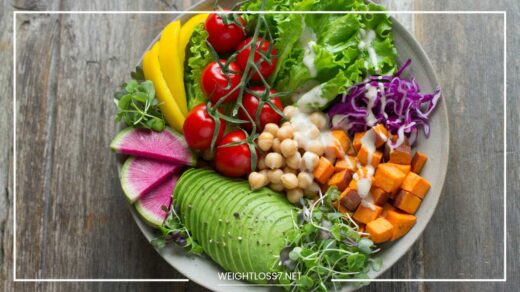
Focusing on Whole, Nutrient-Rich Ingredients: Prioritize ingredients that are minimally processed and close to their natural state. These foods—including whole grains, legumes, fresh and frozen produce, nuts, and seeds—are typically rich in fiber, vitamins, and minerals. Fiber, in particular, is crucial because it promotes digestive health and contributes significantly to feelings of satiety (fullness), which naturally helps manage overall caloric intake. By centering your meals around these ingredients, you ensure your body receives the necessary fuel without an excess of empty calories.
-
How Portion Sizes Affect Weight Loss: Even the healthiest foods contribute to your total calorie count. Learning to manage portion sizes is one of the most effective skills for weight loss. Use smaller plates, bowls, and glasses to trick your mind into perceiving a smaller portion as a full serving. Practice the plate method: dedicate half of your plate to produce (like leafy greens, non-starchy vegetables, and fruits), one quarter to whole grains or starchy vegetables (like brown rice, oats, or potatoes), and the remaining quarter to protein-rich foods (like beans, lentils, or dairy/alternatives).
-
Practical Tips for Mindful Eating: Mindful eating means paying full attention to your food and the act of eating. This helps you recognize your body’s signals of hunger and fullness, leading to better appetite control.
-
Eliminate Distractions: Turn off screens and put away devices while eating.
-
Eat Slowly: Put your utensil down between bites, chew thoroughly, and give your stomach time to signal fullness to your brain (which takes about 20 minutes).
-
Savor: Notice the color, smell, texture, and taste of your food.
-
-
How to Reduce Added Sugars and Ultra-Processed Foods: Added sugars and refined starches are often hidden in packaged goods, beverages, and sauces. They provide a quick burst of energy without significant nutritional value and contribute rapidly to calorie overload.
-
Read Labels: Look for “added sugars” on nutrition facts panels and try to keep them low. Be aware of sugar aliases like high-fructose corn syrup, dextrose, and maltose.
-
Limit Sugary Drinks: Replace soft drinks, sweetened teas, and flavored coffees with water, sparkling water, or unsweetened tea. Liquid calories are often consumed quickly and do not trigger the same sense of fullness as solid food.
-
Cook at Home: Preparing meals yourself gives you complete control over the ingredients, especially salt, fat, and sugar content.
-
-
Choosing Snacks that Support Energy and Fullness: Snacking is not inherently bad; it is often the type of snack that undermines weight loss efforts. Ideal snacks should combine fiber (from whole ingredients) and protein to provide sustained energy and curb appetite between meals.
-
Examples: A handful of nuts/seeds with a piece of fruit; whole-grain crackers with a spread like hummus or avocado; or a small bowl of plain yogurt or cottage cheese (or a non-dairy alternative) with berries.
-
Plan Ahead: Have healthy, ready-to-eat options visible and accessible to prevent reaching for high-sugar or high-fat processed items when hunger strikes.
-
-
Hydration and Its Impact on Appetite: Water is essential for every bodily function, and it plays an often-overlooked role in weight management.
-
Confusion: The body can sometimes confuse thirst signals with hunger signals. Before reaching for a snack, try drinking a large glass of water and waiting 10-15 minutes.
-
Satiety: Drinking water before meals can temporarily fill the stomach, leading to a natural reduction in food intake.
-
Target: Aim to drink water consistently throughout the day, not just when you feel thirsty.
-
Creating a Sustainable Eating Routine
Consistency and structure are the pillars of long-term weight management. Developing a reliable eating routine minimizes decision fatigue and reduces the likelihood of impulse eating.
-
Meal Timing and Consistency: While the exact number of meals (three large or five small) is highly individual, the key is consistency. Eating your meals and snacks around the same times each day helps regulate hunger hormones (ghrelin and leptin) and prevents extreme hunger, which often leads to overeating or poor food choices. Try to spread your nutrient intake throughout the day to maintain steady energy levels.
-
Simple Meal-Prep Strategies: Meal preparation does not have to be a daunting task that requires hours on a Sunday. Simple strategies can dramatically improve weekday nutrition:
-
Batch Cook Staples: Cook a large batch of a whole grain (like quinoa or brown rice) and a source of protein (like lentils or beans) that can be used in multiple meals during the week.
-
Prepare Produce: Wash, chop, and store vegetables right after grocery shopping so they are ready for quick snacks or easy additions to dinners.
-
Pre-Pack Lunches: Pack your lunch the night before. This eliminates the need to buy a less-healthy option during a busy workday.
-
-
How to Manage Hunger Throughout the Day: Sustainable weight loss requires effective hunger management, not starvation.
-
Fiber and Protein: As noted, these two components slow digestion and keep you feeling full longer. Ensure every meal contains both.
-
Strategic Snacking: Do not wait until you are famished. A balanced, pre-planned snack between main meals can stabilize blood sugar and prevent you from overeating at the next meal.
-
Sleep and Stress: Adequate sleep and low stress are crucial, as sleep deprivation and high stress increase ghrelin (the hunger hormone) and can lead to cravings for high-calorie, high-sugar foods.
-
-
Grocery Planning to Avoid Impulsive Choices: The weight loss battle is often won at the grocery store.
-
Shop with a List: Stick strictly to your list and avoid browsing aisles with items you are trying to limit.
-
Never Shop Hungry: Shopping when hungry dramatically increases the likelihood of buying high-calorie snacks and processed foods.
-
Limit the Center Aisles: Most whole, unprocessed ingredients are located on the perimeter of the store (produce, whole grains). Spend the majority of your time here.
-
Check Inventory: Before shopping, look in your pantry, fridge, and freezer to see what you already have, which prevents overbuying and food waste.
-
Physical Activity for Lasting Results
While nutrition is the cornerstone of weight loss, physical activity is essential for weight control and maintaining long-term health. Movement helps burn calories, improves cardiovascular health, and is critical for supporting your metabolism by building and preserving muscle mass.
-
Why Movement is Essential for Weight Control: Physical activity increases your Total Daily Energy Expenditure (TDEE). Beyond the calories burned during the workout itself, consistent activity improves overall energy levels and supports the body’s metabolic functions. For weight maintenance, a combination of activity is crucial for keeping your BMR high.
-
Blending Different Types of Activity: A holistic fitness plan should incorporate various forms of movement.
-
Cardio for Calorie Burn: Cardiovascular (aerobic) exercise, such as walking, jogging, cycling, swimming, or dancing, is excellent for increasing heart rate and burning calories. Aim for a mix of moderate-intensity (where you can talk but not sing) and high-intensity (where talking is difficult) sessions.
-
Strength Training for Metabolism Support: Resistance or strength training, using weights, resistance bands, or your own body weight, is critical. It builds muscle mass, and since muscle is metabolically active, increasing it helps your body burn more calories even at rest. Aim for two to three full-body strength sessions per week.
-
Flexibility/Mobility for Overall Health: Activities like yoga or gentle stretching improve range of motion, prevent injury, and contribute to stress reduction, making your other workouts more effective and safer.
-
-
Suggestions for Beginners: If you are new to exercise, start slowly to build a sustainable habit and avoid injury.
-
Walking: This is the best starting point. Commit to $10,000$ steps a day, or simply walk for $30$ minutes at a brisk pace five days a week.
-
Bodyweight Exercises: Start with simple bodyweight movements like squats, lunges (modified if needed), push-ups (against a wall), and planks.
-
Find What You Enjoy: The best activity is the one you will consistently do. Explore dance classes, hiking, or team sports until you find something that feels fun, not like a chore.
-
-
How to Create a Weekly Routine that Feels Doable: Schedule your workouts like any other important appointment.
-
Start Small: Commit to three days a week initially, then gradually increase intensity or frequency.
-
Variety: Alternate between cardio and strength days to allow muscles to recover.
-
Flexibility: Have a Plan B for days when a formal workout is impossible (e.g., a long walk or 15 minutes of stretching at home).
-
-
Ways to Stay Active Without a Gym: You do not need expensive equipment or a gym membership to be active.
-
Use Your Environment: Take the stairs, park further away, or walk during phone calls.
-
Active Chores: Engage vigorously in household chores like gardening, cleaning, or yard work.
-
Online Resources: Utilize the vast array of free workout videos available online for everything from yoga to high-intensity interval training (HIIT) that can be done in your living room.
-
Improving Daily Lifestyle Habits
Weight loss is not just about what you eat or how you move; it is deeply intertwined with how you live, rest, and manage your mental well-being. Optimized lifestyle habits create an internal environment that is conducive to shedding weight.
-
Sleep and Its Connection to Weight: Sleep is arguably as important as diet and exercise. Chronic lack of sleep disrupts the balance of two critical hormones:
-
Ghrelin: The “hunger hormone” increases when you are sleep-deprived, making you feel hungrier.
- Leptin: The “satiety hormone” decreases, making it harder for you to recognize when you are full.When tired, people also crave high-calorie, sugary foods for quick energy. Aim for $7-9$ hours of quality, uninterrupted sleep per night. Maintain a consistent bedtime and wake-up schedule, even on weekends.
-
-
Stress Management Strategies that Reduce Emotional Eating: Stress causes your body to release cortisol, a hormone that, when elevated long-term, can promote the storage of fat, particularly around the midsection. For many, stress also acts as a trigger for emotional eating—using food to cope with uncomfortable feelings rather than true hunger.
-
Identify Triggers: Keep a journal to pinpoint the situations or emotions that cause you to reach for comfort food.
-
Develop Alternatives: When stress hits, engage in an alternative, non-food coping mechanism: take a five-minute walk, practice deep breathing, listen to music, or call a friend.
-
Mindfulness: Learn to pause between the impulse to eat and the action of eating, giving you a moment to decide if you are truly hungry.
-
-
Building a Structured Daily Routine: A predictable structure reduces cognitive load and reserves your decision-making capacity for food choices.
-
Consistency: Wake up, eat meals, and go to bed around the same time each day.
-
Planning: Take a few minutes each evening to plan your activity and meals for the next day. This minor investment of time yields major returns in adherence.
-
-
Reducing Sedentary Time with Simple Changes: Non-Exercise Activity Thermogenesis (NEAT) refers to the calories you burn through activities that are not formal exercise, such as fidgeting, walking around, and standing. Increasing NEAT can significantly boost your daily calorie expenditure.
-
Set Reminders: Use a timer or a wearable device to remind you to stand up and move for 5 minutes every hour.
-
Walk and Talk: Take calls while walking instead of sitting at your desk.
-
Standing Desk: Utilize a standing desk or a simple box to elevate your computer, making it easier to stand for parts of the day.
-
Mindset and Motivation
The psychological aspects of weight loss are often the most challenging, yet they are the key to long-term success. Your thoughts, beliefs, and emotional resilience will determine your ability to maintain healthy habits through inevitable obstacles.
-
How to Stay Motivated During Plateaus: A weight loss plateau is a period where your weight stalls despite consistent effort. This is a normal, almost guaranteed part of the process, and it often happens because your body has adapted to your current routine.
-
Do Not Panic: The first step is to recognize it as normal adaptation.
-
Reassess and Adjust: Do an honest check of your consistency (Are you tracking accurately? Are portions creeping up?). If consistency is high, it is time to change the stimulus—increase the intensity of your workouts, or slightly adjust your calorie intake.
-
Focus on NSVs: Shift your focus entirely to non-scale victories (energy, strength, clothing fit) until the scale moves again.
-
-
Understanding Emotional Triggers and Eating Patterns: Many people use food to cope with boredom, loneliness, sadness, or anxiety. Unpacking these emotional drivers is crucial.
-
Journaling: Start a food and mood journal, noting what you ate, when you ate it, and how you were feeling immediately before and after. This helps expose patterns you were previously unaware of.
-
Seek Support: Emotional eating can be deeply rooted. Talking to a coach or therapist can provide you with effective, non-food-related coping tools.
-
-
Developing Self-Compassion and Resilience: Perfectionism is the enemy of sustainable progress. Everyone will have days when they overeat, skip a workout, or make a less-than-ideal food choice.
-
The “All-or-Nothing” Trap: Avoid thinking, “I ate one cookie, so the whole day is ruined.” Acknowledge the setback, forgive yourself, and immediately return to your planned routine at the very next meal or activity.
-
Positive Self-Talk: Replace self-criticism (“I’m so undisciplined”) with factual, self-compassionate statements (“I made a less-than-ideal choice, but I am learning, and my next choice will be better”).
-
-
Celebrating Small Wins: Progress is not linear. Take time to recognize and reward your adherence to positive habits, not just the weight loss numbers. Did you hit your water goal five days in a row? Did you successfully resist the office treats? Celebrate those moments with non-food rewards, such as a new book, a relaxing bath, or a new piece of workout gear.
-
Reframing Setbacks as Part of the Process: Setbacks are not failures; they are data points that teach you something about your triggers, your routine, or your emotional state. View them as necessary feedback to adjust your strategy for future success.
Social and Environmental Factors
Your surroundings—both your physical environment and your social network—can profoundly impact your adherence to healthy habits. Learning to manage these external factors is a vital component of long-term success.
-
How Your Environment Influences Your Choices: The saying “out of sight, out of mind” is powerfully true for food.
-
Home Audit: Remove or store high-temptation foods where they are difficult to see or reach. Keep healthy, pre-portioned snacks visible and accessible.
-
Work/Desk Space: Keep a bottle of water and a container of pre-cut vegetables or fruit on your desk rather than relying on vending machine options.
-
-
Creating Supportive Surroundings: Surround yourself with people who encourage your healthy goals without pressuring you.
-
Communicate Needs: Politely inform friends and family that you are focused on making healthy changes and explain how they can help (e.g., suggesting a walk instead of a lunch date, or asking them not to offer you second helpings).
-
Seek Accountability: Partner with a friend, family member, or join a group with similar goals for mutual support and accountability.
-
-
Navigating Social Events Without Feeling Restricted: Socializing often revolves around food, but it does not have to derail your efforts.
-
Pre-Plan: Look up the restaurant menu ahead of time and decide what you will order.
-
Pre-Eat: Have a small, balanced snack (like a bowl of soup or a piece of fruit) before you go out. This prevents arriving famished and over-ordering.
-
Mindful Consumption: Stick to small portions of high-calorie items and prioritize conversation and connection over consumption. Drink plenty of water throughout the event.
-
Safety, Health Signals & When to Seek Help
While motivated, it is essential to proceed safely and prioritize your overall well-being. Weight loss should feel empowering, not debilitating.
-
When Changes Feel Unhealthy or Too Extreme: Healthy, sustainable weight loss should not involve constant, debilitating hunger, extreme fatigue, mood swings, or loss of concentration. If your plan requires you to severely restrict entire categories of nutrient-rich foods or includes dangerous behaviors, it is too extreme. Healthy weight loss provides your body with all the essential nutrients it needs to thrive while in a moderate calorie deficit.
-
Importance of Listening to Your Body: Pay attention to how different foods and activities make you feel. Does a certain food cause sluggishness? Does an activity cause joint pain? Respect your body’s signals and adjust your routine accordingly. If you are consistently exhausted, you may need more rest, not a harder workout. A healthy lifestyle is one that supports your energy and mood, not one that drains it.
-
When Guidance from a Licensed Professional May Be Helpful: There are times when professional guidance is the safest and most effective path forward.
-
Medical Conditions: If you have underlying health conditions (like diabetes, thyroid issues, or heart conditions), you should always consult your primary healthcare provider before making significant dietary or activity changes.
-
Nutritional Guidance: A Registered Dietitian (RD) can help you create a personalized eating plan that ensures you are meeting all your nutritional needs while safely achieving a caloric deficit.
-
Emotional Support: If you suspect an unhealthy relationship with food, emotional eating, or signs of an eating disorder, a licensed therapist or psychologist is the appropriate professional to seek out.
-
Final Thoughts
The path to a healthier weight is a uniquely personal journey that demands patience, self-awareness, and consistent effort. Do not measure your success against someone else’s timeline or outcome. Remember that your body is a dynamic system, and what worked last month may need a slight adjustment this month.
Focus on consistency over perfection. The goal is to build a lifestyle that you genuinely enjoy and can maintain effortlessly for the rest of your life. When you shift your focus from simply losing weight to becoming a healthier, more capable person, the weight loss naturally follows and, more importantly, it lasts. Embrace the process, celebrate every positive habit you establish, and commit to nurturing your body with movement, nourishment, and rest. You are building a stronger, healthier future, one consistent day at a time.