How to Lose Weight (Diet)

How to Lose Weight (Diet) – Simple Tips & Strategies for Effective Weight Loss
Losing weight can feel like a daunting task, but it doesn’t have to be. It’s about making sustainable, healthy changes to your diet and lifestyle. This article will guide you through the principles of nutrition and provide practical tips to help you achieve your weight loss goals, no matter your current eating habits.
Understanding Weight Loss
At its core, weight loss boils down to a simple equation: calories in vs. calories out. To lose weight, you need to consume fewer calories than your body burns. This creates a caloric deficit. Your body then turns to stored fat for energy, leading to weight reduction.
Your metabolism plays a crucial role here. It’s the process by which your body converts what you eat and drink into energy. A faster metabolism means your body burns more calories at rest. Factors like age, genetics, and muscle mass can influence your metabolic rate. While you can’t drastically change your genetics, building muscle can help boost your metabolism, as muscle tissue burns more calories than fat tissue, even when you’re resting.
Consistency and patience are key. Weight loss is not a linear journey, and there will be plateaus and fluctuations. Focus on making steady progress rather than seeking rapid results, which are often unsustainable.
The Role of a Balanced Diet
A balanced diet is the cornerstone of sustainable weight loss and overall health. It provides your body with the necessary nutrients without excess calories. Instead of restrictive diets, focus on incorporating a variety of foods that fuel your body efficiently.
A balanced diet includes a healthy mix of macronutrients: carbohydrates, proteins, and fats.
- Carbohydrates are your body’s primary source of energy. Choose complex carbohydrates like whole grains, fruits, and vegetables over refined sugars and white flour products. Complex carbohydrates provide sustained energy and are rich in fiber, which aids in satiety.
- Proteins are essential for building and repairing tissues, and they play a significant role in satiety, helping you feel fuller for longer. This can reduce overall calorie intake.
- Fats, particularly healthy fats found in sources like avocados, nuts, seeds, and olive oil, are vital for hormone production and nutrient absorption. While calorie-dense, healthy fats are crucial in moderation.
Beyond macronutrients, micronutrients—vitamins and minerals—are vital for numerous bodily functions, including metabolism and energy production. A diverse diet rich in fruits, vegetables, and whole foods ensures you get a wide spectrum of these essential nutrients.
Portion Control
Even healthy foods can contribute to weight gain if consumed in excessive quantities. Portion control is about understanding how much food your body truly needs. It’s not about deprivation, but about mindful consumption.
You don’t need fancy scales to practice portion control. Here are some simple visual cues:
- A serving of cooked grains or pasta is about the size of your cupped hand.
- A serving of vegetables can be a generous two cupped hands.
- A serving of healthy fats, like nuts or seeds, is typically a small handful.
Pay attention to your hunger cues. Eat when you’re genuinely hungry, and stop when you’re comfortably full, not stuffed. Mindful eating, where you slow down and savor each bite, can help you recognize these signals more effectively. Avoid eating while distracted by screens, as this can lead to overconsumption.
Caloric Deficit – The Key to Weight Loss
As mentioned, a caloric deficit is fundamental for weight loss. It means consistently consuming fewer calories than your body expends. This doesn’t require extreme deprivation; even a small, consistent deficit can lead to significant weight loss over time. A common recommendation is a deficit of 500-750 calories per day to lose 1-1.5 pounds per week, but this can vary depending on individual needs and activity levels.
Tracking your caloric intake can be a helpful tool, especially when you’re starting. Numerous free apps can help you log your food and provide an estimate of your daily caloric intake. Alternatively, a simple food journal can increase your awareness of what and how much you’re eating. The goal is not to obsess over every calorie, but to gain insight and identify areas where you can make adjustments.
To create a sustainable caloric deficit, focus on:
- Reducing portion sizes of calorie-dense foods.
- Swapping high-calorie ingredients for lower-calorie alternatives (e.g., opting for water instead of sugary drinks).
- Increasing your intake of low-calorie, high-volume foods like fruits and vegetables, which fill you up without adding many calories.
Smart Snack Choices
Snacks can be a valuable part of a weight loss plan, provided you choose them wisely. They can help bridge the gap between meals, prevent extreme hunger, and keep your metabolism steady. However, impulsive, unhealthy snacking can easily derail your progress.
Focus on low-calorie, nutrient-dense snacks that offer fiber and protein to promote satiety. Here are some smart snack ideas:
- A piece of fruit (apple, banana, orange)
- A small handful of unsalted nuts (almonds, walnuts)
- A few whole-grain crackers with a small amount of spread
- Vegetable sticks (carrots, cucumber, bell peppers) with a low-calorie dip
- Plain yogurt (check for added sugars)
Avoid processed and high-sugar snacks like chips, cookies, and candy bars. These are often high in empty calories, unhealthy fats, and added sugars, providing little nutritional value and often leading to energy crashes and cravings. Plan your snacks in advance to avoid making unhealthy choices when hunger strikes.
Hydration and Its Impact on Weight Loss
Water is often overlooked in weight loss, but it’s incredibly important. Staying adequately hydrated impacts your metabolism, energy levels, and even hunger cues.
Dehydration can sometimes be mistaken for hunger, leading you to eat when your body actually just needs water. Drinking water before meals can help you feel fuller, potentially leading to smaller meal portions. Water also aids in the transportation of nutrients and waste products throughout your body and is essential for optimal metabolic function.
Strategies to stay hydrated:
- Carry a reusable water bottle with you throughout the day.
- Drink a glass of water before each meal.
- Infuse your water with fruits like lemon, cucumber, or berries for a refreshing, calorie-free flavor.
- Opt for unsweetened teas.
Avoiding Processed Foods and Added Sugars
Processed foods are typically high in unhealthy fats, added sugars, sodium, and artificial ingredients, while being low in essential nutrients. They are designed to be highly palatable, often leading to overconsumption and making weight loss challenging. Examples include packaged snacks, sugary cereals, fast food, and most ready-to-eat meals. These foods contribute to inflammation and can disrupt your body’s natural hunger and fullness signals.
Added sugars are a significant culprit in weight gain. They provide empty calories, offer no nutritional value, and can lead to blood sugar spikes and crashes, triggering cravings and fat storage. Sugary drinks like sodas, fruit juices (even 100% juice can be high in natural sugars, but lacks fiber), and sweetened coffee beverages are major sources of added sugar.
Healthier alternatives:
- Choose whole, unprocessed foods as the foundation of your diet: fresh fruits, vegetables, whole grains, and legumes.
- Cook at home more often to control ingredients and avoid hidden sugars and unhealthy fats.
- Read food labels carefully to identify added sugars, which can appear under many names (e.g., high-fructose corn syrup, sucrose, dextrose).
- Satisfy your sweet tooth with natural sweetness from fruits.
The Power of Fiber
Fiber is a superstar nutrient for weight loss. It’s a type of carbohydrate that your body can’t digest, and it plays several crucial roles in helping you feel full, regulate digestion, and stabilize blood sugar levels.
- Promotes satiety: Fiber-rich foods add bulk to your meals, making you feel fuller and more satisfied with fewer calories. This can naturally reduce your overall calorie intake.
- Regulates digestion: Fiber aids in healthy bowel movements, preventing constipation and supporting a healthy gut microbiome.
- Stabilizes blood sugar: Soluble fiber, found in oats and legumes, can slow down the absorption of sugar, preventing rapid spikes and crashes in blood glucose. This helps control cravings and promotes more stable energy levels.
Incorporate plenty of fiber-rich foods into your diet. Excellent sources suitable for everyone include:
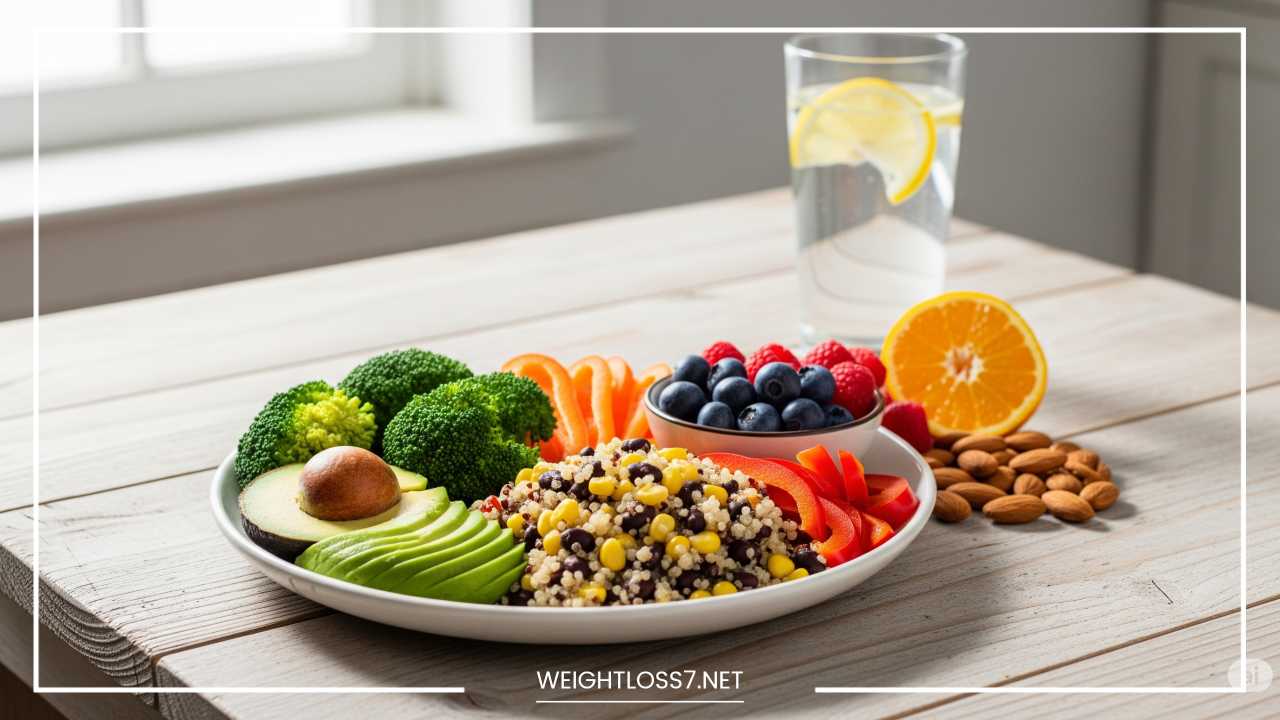
- Whole grains: Oats, brown rice, quinoa, whole wheat bread
- Vegetables: Broccoli, spinach, carrots, Brussels sprouts
- Fruits: Berries, apples, pears, bananas (with skin)
- Legumes: Lentils, chickpeas, black beans, kidney beans
Meal Timing and Frequency
The optimal meal timing and frequency for weight loss can vary from person to person. There’s no one-size-fits-all answer, and what works best often depends on individual preferences, lifestyle, and how your body responds.
Some people find success with three balanced meals a day, while others prefer 5-6 smaller, more frequent meals.
- Three larger meals: This approach can help some people manage hunger by providing substantial, satisfying meals. The key is to ensure these meals are balanced and portion-controlled.
- Five to six smaller meals: This can help keep blood sugar levels stable, prevent extreme hunger, and potentially reduce overeating at subsequent meals. However, it requires careful planning to ensure each small meal is genuinely healthy and not just a series of snacks.
Intermittent fasting is another approach that involves cycling between periods of eating and fasting. While it has gained popularity for weight loss, it’s not a strict recommendation for everyone. It can be an effective tool for some individuals to create a caloric deficit, but it requires careful consideration and is best approached with an understanding of your body’s needs. The most important factor remains overall caloric intake over a 24-hour period. Focus on eating nutrient-dense foods regardless of your meal frequency.
The Importance of Sleep and Stress Management
Weight loss isn’t just about what you eat; it’s also profoundly influenced by your lifestyle, particularly sleep and stress levels.
Poor sleep can wreak havoc on your weight loss efforts. When you’re sleep-deprived, your body produces more ghrelin (a hunger-stimulating hormone) and less leptin (a satiety hormone). This imbalance can lead to increased appetite, cravings for unhealthy, high-calorie foods, and a tendency to overeat. Additionally, lack of sleep can impair your body’s ability to burn fat effectively and can make you feel too tired to exercise. Aim for 7-9 hours of quality sleep per night.
Chronic stress also impacts weight. When stressed, your body releases cortisol, the “stress hormone.” Elevated cortisol levels can increase appetite, promote fat storage (especially around the abdomen), and lead to emotional eating. Stress can also disrupt digestive processes and lead to inflammation.
Tips for better sleep and stress management:
- Establish a consistent sleep schedule, even on weekends.
- Create a relaxing bedtime routine (e.g., warm bath, reading, gentle stretching).
- Limit screen time before bed.
- Practice stress-reducing techniques like meditation, deep breathing exercises, or yoga.
- Spend time in nature.
- Engage in hobbies that you enjoy.
Staying Active
While this article focuses on diet, physical activity is a vital complement to any weight loss journey. It helps burn calories, builds muscle (which boosts metabolism), improves mood, and enhances overall health. You don’t need to become a gym enthusiast overnight to see benefits.
Start small and gradually increase your activity level. Here are some easy-to-start exercises and ways to stay active:
- Walking: A brisk walk for 30 minutes most days of the week is an excellent starting point.
- Cycling: If you have access to a bicycle, it’s a great low-impact cardio option.
- Bodyweight exercises: Push-ups, squats, lunges, and planks can be done anywhere with no equipment.
- Dancing: Put on your favorite music and dance! It’s a fun way to burn calories.
Look for ways to incorporate more movement into your daily routine:
- Take the stairs instead of the elevator.
- Walk or cycle for short errands.
- Park further away from your destination.
- Take short breaks to stretch or walk around if you have a sedentary job.
- Consider a standing desk.
Consistency is more important than intensity initially. Find activities you enjoy, as this will make it easier to stick with them long-term.
Common Pitfalls to Avoid
The path to weight loss is often littered with common mistakes that can hinder progress and lead to frustration. Being aware of these pitfalls can help you navigate your journey more effectively.
- Extreme restriction: Drastically cutting calories or eliminating entire food groups can lead to nutrient deficiencies, intense cravings, and ultimately, rebound weight gain. It’s unsustainable and can be detrimental to your health.
- Not tracking calories (or being inconsistent): While you don’t need to track forever, initially understanding your caloric intake helps you identify areas for improvement and ensures you’re in a deficit. Inconsistency in tracking can lead to underestimating consumption.
- Skipping meals: This often backfires, leading to excessive hunger later and overeating. Regular, balanced meals are generally more effective for managing appetite.
- Relying on “quick-fix” diets: Fad diets promising rapid weight loss are rarely sustainable. They often involve extreme restrictions that are difficult to maintain and don’t teach healthy eating habits.
- Not addressing emotional eating: Many people eat in response to stress, boredom, sadness, or other emotions. Identifying and addressing these triggers is crucial for long-term success.
- Ignoring hunger and fullness cues: Eating mindlessly, or not listening to your body’s signals, can lead to overeating.
Focus on making gradual, sustainable changes rather than drastic alterations. The most effective weight loss approach is one you can maintain for the long haul. Find an eating pattern that aligns with your individual preferences and lifestyle, making it a natural part of your daily routine.
Mindful Eating
Mindful eating is more than just a trend; it’s a powerful tool for weight management and a healthier relationship with food. It involves paying full attention to your food—how it looks, smells, tastes, and feels—and recognizing your body’s hunger and fullness signals.
Here’s how to practice mindful eating:
- Eliminate distractions: Turn off the TV, put away your phone, and focus solely on your meal.
- Eat slowly: Put your fork down between bites. Chew your food thoroughly.
- Savor each bite: Notice the flavors, textures, and aromas.
- Listen to your body: Are you truly hungry, or are you eating out of habit, boredom, or emotion? Stop eating when you feel comfortably satisfied, not stuffed.
- Appreciate your food: Acknowledge the effort and resources that went into producing your meal.
The benefits of mindful eating for weight loss are significant. By slowing down and tuning into your body, you’re more likely to recognize when you’ve had enough, preventing overeating. It also helps you enjoy your food more, leading to greater satisfaction with smaller portions.
Practical Tips for Implementing Healthy Habits
Translating knowledge into action is where the real progress happens. Here are actionable tips to help you implement healthy eating habits into your daily life:
- Meal planning: Dedicate some time each week to plan your meals. This helps you make healthier choices, ensures you have the necessary ingredients, and prevents impulsive, unhealthy eating.
- Food prep: Prepare healthy components in advance. Wash and chop vegetables, cook a batch of grains, or portion out snacks. This makes healthy eating convenient, especially on busy days.
- Cook at home: Preparing your own meals gives you complete control over ingredients, portion sizes, and cooking methods. This significantly reduces your intake of unhealthy fats, added sugars, and excessive sodium often found in restaurant or pre-made foods.
- Keep healthy snacks readily available: Stock your pantry and fridge with fruits, vegetables, nuts, and whole-grain crackers. When hunger strikes, you’ll have nutritious options at hand, preventing you from reaching for less healthy choices.
- Shop smart: Make a grocery list and stick to it. Focus on the perimeter of the grocery store, where fresh produce, whole grains, and basic staples are typically located, and limit your time in the inner aisles where processed foods reside.
- Don’t strive for perfection, strive for consistency: It’s okay to have an off day or a treat. The key is to get back on track with your healthy habits the next day. Small, manageable changes implemented consistently over time lead to lasting results.
- Stay hydrated: As discussed, keeping a water bottle nearby and sipping throughout the day can significantly aid your weight loss efforts.
Final Thoughts
Losing weight is a journey that goes beyond just the number on the scale. It’s about cultivating a healthier relationship with food, understanding your body’s needs, and making sustainable lifestyle changes. By focusing on a caloric deficit through portion control, choosing nutrient-dense foods like whole grains, fruits, vegetables, and legumes, and prioritizing hydration and fiber, you create a strong foundation for success.
Remember the power of avoiding processed foods and added sugars, and consider how meal timing and frequency can fit your personal preferences. Don’t underestimate the profound impact of adequate sleep and effective stress management on your weight loss journey. While diet is paramount, incorporating physical activity and practicing mindful eating will further enhance your results and overall well-being.
The most crucial element is patience and consistency. There will be ups and downs, but by focusing on gradual improvements and celebrating small victories, you can build habits that support long-term health and a positive relationship with your body. Shift your focus from temporary fixes to a permanent lifestyle change that prioritizes your overall health and well-being.