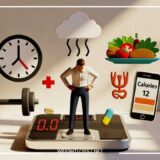
How Much Weight to Lose in a Month


How Much Weight to Lose in a Month for Healthy Results
The journey toward a healthier version of yourself is one of the most rewarding endeavors you can undertake. However, in an era defined by high-speed internet and instant delivery, our expectations for physical transformation have become somewhat skewed. We are often bombarded with advertisements promising that we can “lose thirty pounds in thirty days” or “transform our bodies overnight.” These claims are not only misleading but can be physically and psychologically damaging.
When we ask, “How much weight should I lose in a month?” we are really asking how to balance our desire for change with our body’s biological need for stability. True health is not found in the lowest possible number on a scale; it is found in the strength of our hearts, the clarity of our minds, and the sustainability of our daily habits. This article serves as a comprehensive guide to understanding the mechanics of monthly weight loss, the science of metabolism, and the lifestyle shifts required to achieve results that actually last.
What Is a Healthy Amount of Weight to Lose in a Month?
According to the consensus among clinical nutritionists and medical organizations, a safe, healthy, and sustainable rate of weight loss is one to two pounds per week. When calculated over a standard four-week month, this results in a goal of four to eight pounds.
While four to eight pounds might sound modest to someone hoping for a total body overhaul, it is important to understand why this range is the “gold standard” for health.
The Biological Reality of Fat Loss
Your body is an incredibly efficient survival machine. It views stored fat as a vital energy reserve for emergencies. When you attempt to lose weight too quickly through extreme calorie deprivation, the body does not simply “burn fat.” Instead, it perceives a famine. In response, it may slow down your metabolic rate, increase hunger hormones, and begin breaking down muscle tissue for a quick energy fix. By sticking to the one-to-two-pound-per-week rule, you signal to your body that food is still plenty, allowing it to release fat stores more willingly without entering a protective “starvation mode.”
The Risks of Rapid Reduction
Losing weight at a rate exceeding three pounds a week consistently can lead to several complications:
-
Gallstones: When weight is lost too fast, the liver secretes extra cholesterol into bile, which can crystalize into painful stones.
-
Nutritional Deficiencies: It is nearly impossible to get all necessary vitamins and minerals—such as iron, calcium, and B-vitamins—when consuming a dangerously low number of calories.
-
Loose Skin: Gradual weight loss gives the skin more time to regain its elasticity and shrink along with the body.
-
Electrolyte Imbalances: Rapid shifts in fluid and food intake can disrupt the balance of potassium and sodium, which are critical for heart function.
Factors That Influence Monthly Weight Loss
It is a common frustration: two people follow the exact same plan, yet one loses six pounds in a month while the other loses two. This occurs because weight loss is not a simple math equation of “calories in versus calories out.” It is a complex physiological process influenced by a variety of internal and external factors.
Starting Body Weight and Composition
The amount of weight you have to lose significantly impacts the speed at which it comes off. An individual who is 100 pounds over their ideal weight will likely see larger numbers on the scale in the first month compared to someone who is only five pounds away from their goal. This is because a larger body requires more energy to move and maintain itself. As you get closer to your target weight, your “maintenance calories” decrease, making the remaining weight more stubborn.
Metabolic Rate and Age
Metabolism is the process by which your body converts what you eat and drink into energy. As we age, we naturally lose muscle mass (a process called sarcopenia) and our hormonal profiles shift. Because muscle is more metabolically active than fat, a person with more muscle or a younger person with a higher baseline metabolism will generally find it easier to create the energy deficit required for weight loss.
Gender and Hormones
Biological differences play a major role. Generally, men tend to have more lean muscle mass and less essential body fat than women, which can lead to faster initial results. Furthermore, women’s weight loss can be heavily influenced by monthly hormonal cycles, which cause significant water retention and changes in insulin sensitivity, often masking actual fat loss for weeks at a time.
Sleep and Stress Levels
If you are sleeping five hours a night and working a high-stress job, your body is likely producing excess cortisol. Cortisol is a stress hormone that encourages the body to hang onto fat, particularly in the abdominal area. Even with a perfect diet, high stress and poor sleep can act as a “brake” on your weight loss progress.
Weight Loss vs. Fat Loss: Understanding the Difference
One of the biggest mistakes people make is treating the scale as the ultimate judge of their success. However, the scale measures everything: bones, organs, muscles, water, undigested food, and fat.
The Water Weight Phenomenon
When you start a new health journey—especially one that involves reducing processed sugars and refined carbohydrates—your body burns through its glycogen stores. Glycogen is the way your muscles store sugar for quick energy, and it is “wet,” meaning it holds onto a lot of water. As you use up glycogen, the water is flushed out. This is why many people lose five pounds in the first week. While it is great for motivation, it is important to realize that this is mostly fluid, not fat.
Preserving Lean Muscle
The goal should always be fat loss, not just weight loss. If you lose ten pounds but five of those pounds are muscle, you have actually lowered your metabolism, making it harder to keep the weight off later. Healthy weight loss focuses on maintaining muscle through adequate protein intake and resistance training while forcing the body to use stored adipose tissue (fat) for energy.
Indicators Beyond the Scale
To get a true picture of your progress in a month, look for these “non-scale victories”:
-
The “Pants Test”: Are your clothes fitting more loosely?
-
Body Measurements: Use a tape measure to track inches lost around the waist, neck, and hips.
-
Visual Changes: Photos taken at the start and end of the month often show changes the scale cannot detect.
-
Physical Stamina: Are you less winded when climbing stairs?
Setting Realistic Weight Loss Goals for One Month
Setting a goal for the month requires a shift in mindset. Instead of picking an arbitrary number like “ten pounds,” it is better to set a goal based on your lifestyle and current health status.
The 1% Rule
A highly realistic and safe goal is to aim to lose about 1% of your total body weight per week. If you weigh 200 pounds, a goal of two pounds per week is perfect. If you weigh 150 pounds, 1.5 pounds per week is more appropriate.
Short-Term vs. Long-Term Perspective
A month is a significant amount of time to build habits, but a short amount of time to change a body that has been the same way for years. Think of your first month as the “foundation month.” If you spend these four weeks learning how to cook healthy meals and finding an exercise routine you enjoy, you have succeeded, regardless of whether you lost four pounds or eight.
Creating a Balanced Eating Approach for Healthy Weight Loss
Nutrition is the cornerstone of any weight loss effort. However, “eating for weight loss” does not have to mean eating bland, boring, or tiny amounts of food. The key is finding a balance that provides high nutritional value while keeping you in a moderate energy deficit.
The Power of Whole Foods
The simplest way to improve your nutrition is to move away from highly processed items and toward whole foods. Whole foods are those that exist in nature: vegetables, fruits, legumes, nuts, seeds, and whole grains. These foods are naturally “self-limiting,” meaning they are high in fiber and water, which helps you feel full before you consume too many calories. In contrast, processed foods are designed to bypass our fullness signals, making it easy to overeat.
Managing Portions Without Deprivation
You don’t necessarily need to weigh every gram of food to see results in a month. Simple visual cues can be very effective. Try the “Plate Method”:
-
Half the plate: Fill with non-starchy vegetables (greens, peppers, broccoli, carrots).
-
One-quarter of the plate: Fill with complex carbohydrates (quinoa, sweet potato, brown rice, oats).
-
One-quarter of the plate: Fill with high-quality protein (beans, lentils, chickpeas, nuts, seeds).
-
A small amount of healthy fats: Think a slice of avocado or a teaspoon of olive oil.
Hydration and Mindful Eating
The human brain often confuses thirst signals with hunger signals. Drinking a glass of water 20 minutes before a meal can help you distinguish between true hunger and dehydration. Additionally, practicing mindfulness—eating without the TV on and chewing thoroughly—gives your stomach time to send “I’m full” signals to your brain, a process that usually takes about 20 minutes.
The Role of Physical Activity in Monthly Weight Loss
While you cannot out-exercise a poor diet, physical activity is a powerful catalyst for weight loss. It increases your daily energy expenditure and, perhaps more importantly, improves your metabolic health.
Cardiovascular Health
Cardio (walking, swimming, cycling) is excellent for burning calories in the moment. For someone starting a one-month plan, consistency is more important than intensity. A daily 30-minute brisk walk can burn an extra 150–200 calories. Over a month, that adds up to nearly two pounds of potential fat loss from walking alone.
Strength and Resistance Training
Resistance training is the “secret weapon” of long-term weight management. By lifting weights or using resistance bands, you create micro-tears in your muscles. As your body repairs these tissues, it uses energy. Furthermore, the more muscle mass you have, the more calories you burn while sleeping or sitting at a desk. Aim for at least two to three days of strength-based movement per week.
The Importance of NEAT
NEAT stands for Non-Exercise Activity Thermogenesis. This refers to the energy burned for everything we do that is not sleeping, eating, or sports-like exercise. Walking to the mailbox, cleaning the house, and even standing instead of sitting all count. People who have high levels of NEAT often find weight loss much easier because they are constantly burning small amounts of energy throughout the day.
Sleep, Stress, and Recovery: Often Overlooked Factors
We often think of weight loss as a struggle of willpower, but it is actually a struggle of biology. If your internal environment is chaotic, your body will resist weight loss.
Sleep Hygiene
Inadequate sleep triggers a spike in ghrelin, the hormone that makes you crave sugary and fatty foods. Simultaneously, it blunts the effects of leptin, the hormone that tells you to stop eating. A single night of poor sleep can make you hungrier the next day, leading to an extra 300–500 calories consumed. Prioritizing seven to nine hours of sleep is as important as your workout.
Managing Cortisol
When we are stressed, our body prepares for “fight or flight.” In modern times, our stress is usually mental (work deadlines, traffic), but our body still responds by releasing glucose into the bloodstream and then storing it as fat when it isn’t used for physical activity. Incorporating stress-reduction techniques—like reading, meditation, or spending time in nature—can physically lower your cortisol levels and make fat loss easier.
Common Weight Loss Mistakes to Avoid in One Month
As you navigate your first month, be wary of these common pitfalls that can derail your progress or hurt your health.
1. The “All or Nothing” Mentality
Many people believe that if they eat one “unhealthy” snack, they have ruined the whole day and might as well keep eating. This is like popping the other three tires on your car just because you got one flat. One meal does not determine your success; your consistency over thirty days does.
2. Skipping Meals
Skipping breakfast or lunch to “save calories” usually backfires. It leads to extreme hunger in the evening, which is when willpower is at its lowest. This often results in a late-night binge that far exceeds the calories saved earlier in the day.
3. Relying on “Diet” Foods
Many products marketed as “low fat” or “diet” are highly processed and filled with artificial sweeteners or extra sodium to make them taste better. These can cause bloating and may actually increase cravings for sweets. Stick to real, whole foods instead.
4. Over-Exercising
It is tempting to spend two hours in the gym every day to see faster results. However, if your body isn’t used to that level of activity, you risk injury or extreme fatigue, which will cause you to quit by week three. Start slow and build up.
Signs Your Weight Loss Is Healthy
How do you know if you are on the right track? Look for these markers of a healthy transformation:
-
Energy Levels: You should feel more energetic, not less. If you are too tired to function, you are likely not eating enough.
-
Mood Stability: While a little irritability is normal when changing habits, you shouldn’t feel depressed or constantly angry.
-
Digestive Health: A healthy diet should lead to regular, comfortable digestion.
-
Consistent Sleep: You find it easier to fall asleep and wake up feeling refreshed.
-
Mental Clarity: You aren’t experiencing “brain fog” or constant thoughts about food.
When Weight Loss May Be Slower — and Why That’s Okay
It is important to acknowledge that weight loss is almost never a straight line. You might lose three pounds in week one, one pound in week two, zero in week three, and then two pounds in week week four. This is normal.
Metabolic Adaptation
Your body is constantly trying to maintain a state of “homeostasis” (balance). When you start losing weight, your body may become more efficient at using energy, which can slow down the rate of loss. This isn’t a failure; it’s a sign that your body is working correctly.
Water Fluctuations
A single salty meal can cause your body to hold onto several pounds of water overnight. This doesn’t mean you gained fat; it just means your fluid balance has shifted. Similarly, changes in your exercise routine can cause muscles to hold water as they repair themselves.
The “Whoosh” Effect
Sometimes, fat cells shrink, but the body temporarily fills them with water. After a few days or weeks, the body suddenly releases that water, leading to a “whoosh” of weight loss on the scale. Patience is the only way to get through these periods.
Should You Consult a Professional?
Weight loss is a medical process as much as a lifestyle one. You should consider talking to a doctor or a registered dietitian if:
-
You have more than 50 pounds to lose.
-
You feel dizzy, lightheaded, or unusually weak.
-
You have a history of heart issues, thyroid problems, or metabolic disorders.
-
You are not seeing any results after a month of consistent effort.
Professional guidance can help ensure that your caloric deficit is safe and that you are meeting your specific micronutrient needs based on your blood work and health history.
One-Month Weight Loss: What Success Really Looks Like
When the thirty days are up, what will success look like for you? If you only look at the number on the scale, you might be disappointed if you “only” lost five pounds. But let’s look at what else that five-pound loss represents:
-
You have successfully navigated thirty days of choosing health.
-
You have likely reduced the inflammation in your body.
-
You have strengthened your heart and improved your circulation.
-
You have built the discipline required to say “no” to old habits and “yes” to a new future.
The first month of weight loss isn’t about reaching the finish line; it’s about proving to yourself that you are capable of change. Whether you lost four pounds or eight, the most important result is that you have established a rhythm. You have learned how to nourish your body without animal products or extreme diets, how to move your limbs with intention, and how to treat yourself with the patience you deserve.
Sustainable weight loss is about the “long game.” By choosing to lose weight slowly and healthily, you aren’t just changing your body for the next month—you are changing it for the rest of your life. Keep your focus on the daily wins: the extra glass of water, the evening walk, the balanced meal. These are the bricks that build the house of long-term health.