How I Can Lose Weight Without Exercise

How I Can Lose Weight Without Exercise | Easy Weight Loss Tips
Losing weight is often portrayed as an arduous journey defined by grueling hours at the gym and high-intensity interval training. For many, however, formal exercise is not always an option due to physical limitations, demanding schedules, or simply a personal preference. The good news is that weight management is not solely dependent on the treadmill. In fact, a significant portion of weight loss is determined by what happens in the kitchen and how we manage our daily habits.
This article explores the science and art of losing weight without a formal exercise regimen. By focusing on nutrition, psychology, and subtle lifestyle adjustments, anyone can create a caloric deficit and improve their metabolic health. The goal is to provide a comprehensive guide that empowers you to take control of your body through sustainable, easy-to-implement strategies that fit into a busy life.
Understanding Weight Loss Without Exercise
To understand how weight loss is possible without hitting the gym, we must look at the fundamental principle of energy balance. At its simplest level, weight loss occurs when the energy you consume is less than the energy your body expends. This is often referred to as “calories in vs. calories out.” While exercise increases the “calories out” side of the equation, it is only one component of your total daily energy expenditure (TDEE).
Your body burns a vast majority of its calories simply staying alive. This is known as your Basal Metabolic Rate (BMR), which accounts for functions like breathing, circulating blood, and cell repair. Beyond BMR, there is the Thermic Effect of Food (TEF)—the energy required to digest and process what you eat—and Non-Exercise Activity Thermogenesis (NEAT). NEAT includes all the movements you do throughout the day that aren’t formal exercise, such as walking to your car, typing, or even fidgeting.
When you focus on losing weight without exercise, your primary levers are reducing “calories in” through smarter eating and slightly increasing your NEAT. Furthermore, weight loss is heavily influenced by hormones like insulin, cortisol, and ghrelin. By managing stress, sleep, and food timing, you can optimize these hormones to signal your body to burn stored fat rather than store more of it. Small, consistent changes in these areas create a cumulative effect that leads to meaningful progress over time.
It is important to acknowledge that the body is a dynamic biological system, not a simple calculator. When we reduce calorie intake, our bodies sometimes respond by slowing down the metabolic rate to conserve energy. This is why a “lifestyle-first” approach is more effective than a “starvation-first” approach. By eating the right types of foods and maintaining high levels of non-exercise activity, we can keep the metabolism humming even as the numbers on the scale begin to drop.
Smart Eating Habits
The way we eat is often just as important as what we eat. Developing food intelligence involves changing your relationship with the act of consuming food and recognizing the subtle signals your body sends.
Mindful Eating
In our fast-paced world, many of us eat while distracted by phones, televisions, or work. This leads to mindless overconsumption because the brain doesn’t receive the signal that the body is full until it is far too late. Mindful eating involves slowing down and paying full attention to the sensory experience of the meal.
By chewing thoroughly and savoring flavors, you give your digestive system time to send satiety signals to the brain. Research suggests it takes about 20 minutes for your brain to realize you are full; if you finish a meal in five minutes, you are likely to eat more than you need. Try to put your fork down between bites and engage in conversation if you are eating with others. This simple pause can reduce your total calorie intake by a significant margin without making you feel like you are on a “diet.”
Portion Control Strategies
You don’t necessarily need to give up your favorite foods if you learn to manage the volume. A simple trick is using smaller plates and bowls. This visual cue tricks the brain into thinking you are eating a larger portion. When a small amount of food is placed on a large plate, our brain perceives it as a meager serving, leading to psychological dissatisfaction.
Another effective method is the “half-plate rule”: fill half of your plate with fiber-rich vegetables before adding anything else. This ensures you feel physically full while consuming fewer calories. Additionally, try to avoid eating directly out of large packages or bags. When we eat from a container with an undefined bottom, we lose track of how much we have consumed. Always portion out snacks into a bowl to maintain awareness.
Meal Timing and Consistency
Consistency is key to regulating hunger hormones. Skipping meals often leads to extreme hunger later in the day, which results in poor decision-making and binge eating. Avoiding late-night snacking is particularly effective; your body’s ability to process glucose decreases in the evening, and calories consumed right before bed are more likely to be stored.
Aim to finish your last meal at least three hours before sleep. This gives your body time to enter a “post-absorptive” state, where it can focus on cellular repair and fat oxidation during sleep rather than active digestion. Consistent meal times also help train your hunger hormones—ghrelin and leptin—to peak at appropriate times, reducing the likelihood of random cravings.
The Power of Hydration
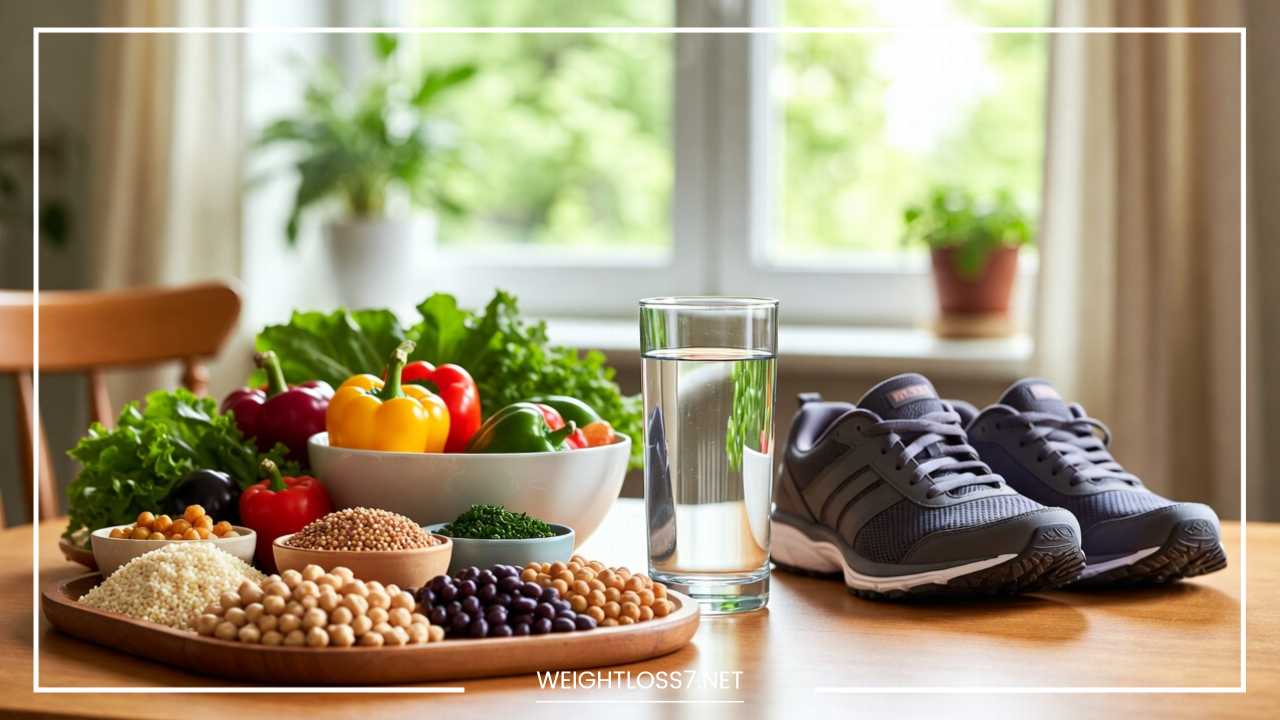
Water is perhaps the most underrated weight loss tool. Sometimes, the brain confuses thirst with hunger, leading us to eat when we actually just need a glass of water. Drinking a large glass of water 30 minutes before a meal can naturally reduce the amount of food you consume by creating a sense of physical fullness.
Additionally, replacing sugary sodas, juices, and sweetened coffees with water or herbal tea can eliminate hundreds of “empty” calories from your daily total. If you find plain water boring, try infusing it with cucumber, lemon, or mint. The goal is to stay hydrated enough that your metabolism can function at its peak and your energy levels remain stable throughout the day.
Healthy Swaps for Longevity
Weight loss doesn’t have to mean restriction; it can mean substitution. Swapping refined grains like white bread for whole-grain versions, or swapping creamy dressings for vinaigrettes, can significantly lower your caloric intake. Instead of reaching for a bag of chips, try air-popped popcorn or a piece of fruit. These small swaps maintain the habit of snacking but reduce the energy density of the snack. Over a year, swapping one sugary latte for a black coffee or herbal tea can result in several pounds of weight loss with almost zero effort.
Foods That Promote Weight Loss
While we are avoiding specific diet labels, certain categories of food are scientifically proven to aid in weight loss due to their nutrient density and impact on fullness.
High-Fiber Foods
Fiber is the “secret weapon” of weight loss. Because the body cannot digest fiber, it adds bulk to your meals without adding calories. Fiber-rich foods like beans, lentils, broccoli, and pears slow down the digestive process, keeping you fuller for longer. This prevents the “blood sugar roller coaster” that leads to cravings shortly after eating.
Soluble fiber, in particular, forms a gel-like substance in the gut that slows the absorption of sugar into the bloodstream. This means you have more stable energy and fewer insulin spikes. Aiming for 25 to 30 grams of fiber a day is a powerful goal for anyone looking to lose weight without exercise.
Whole Grains and Complex Carbs
Moving away from refined sugars and white flours is essential. Whole grains like oats, quinoa, and brown rice contain the bran and germ, providing essential B vitamins and minerals. These complex carbohydrates provide a steady stream of energy, unlike simple sugars which cause a spike and subsequent crash.
When you eat complex carbs, your body has to work harder to break them down, which slightly increases your metabolic rate during digestion. Furthermore, because they digest slowly, they don’t cause the rapid rise in insulin that signals the body to store fat.
Vegetables as Volume
Vegetables are low in calories but high in volume. This concept, known as “volumetrics,” allows you to eat a massive portion of roasted zucchini or a large salad for a fraction of the calories found in a small serving of pasta. Vegetables are also packed with water, which further aids in satiety. By making vegetables the centerpiece of your meal, you can satisfy the psychological urge to eat a large volume of food without the caloric consequences.
Increasing Satiety Through Nutrients
To lose weight without feeling hungry, you must prioritize foods that have a high “satiety index.” Legumes (beans, peas, lentils) are excellent for this. They are packed with both fiber and minerals that satisfy the body’s nutritional needs. When the body feels nourished at a cellular level, it is less likely to trigger hunger signals. Reducing refined carbohydrates—like crackers, cookies, and white rice—is equally important, as these foods digest quickly and leave you wanting more, creating a cycle of overeating.
Lifestyle Changes That Boost Weight Loss
Weight loss is a holistic process. If your lifestyle is chaotic, your body will often cling to weight regardless of your diet.
The Impact of Sleep Quality
Sleep deprivation is a major driver of weight gain. When you are tired, your body produces more ghrelin (the hunger hormone) and less leptin (the fullness hormone). Furthermore, a tired brain lacks the willpower to resist cravings and is more likely to seek out high-calorie, sugary foods for a quick energy boost.
Improving sleep hygiene—such as keeping the bedroom cool, dark, and quiet—can have a direct impact on your weight. Aiming for 7–9 hours of quality sleep per night can be the difference between a successful weight loss journey and a constant struggle. When you are well-rested, your insulin sensitivity improves, making it easier for your body to process the food you eat.
Stress Management and Cortisol
High stress levels lead to elevated cortisol. This hormone is known to encourage fat storage, particularly in the abdominal area. Stress also triggers “emotional eating,” where we seek comfort in high-calorie foods to soothe our nervous system.
Incorporating daily stress-reduction techniques—such as deep breathing exercises, journaling, or spending time in nature—can lower cortisol and make weight loss much easier. Even five minutes of intentional breathing can shift your body from a “fight or flight” state into a “rest and digest” state, which is essential for healthy metabolism.
Daily Movement (NEAT)
As mentioned earlier, you don’t need a gym to move. Increasing your daily activity through incidental movement is highly effective. This includes:
-
Taking the stairs instead of the elevator.
-
Pacing while talking on the phone or during meetings.
-
Parking at the far end of the parking lot.
-
Standing up and stretching every hour.
-
Doing household chores with more vigor.
These movements might seem insignificant, but they can burn an extra 200–500 calories a day. Over time, this “hidden” calorie burn can result in steady weight loss without the exhaustion of a gym workout.
Environment Tweaks
We are often products of our environment. If a bowl of candy is sitting on your desk, you will eat it eventually. If it is hidden in a high cupboard, you likely won’t. “Out of sight, out of mind” is a powerful psychological tool. Keep healthy foods like fruit or nuts visible on the counter, and keep indulgent treats tucked away.
Using smaller glassware can also reduce the amount of caloric beverages you consume. Another environment tweak is to avoid eating in front of the television, as this is the primary location for mindless overeating. Create a designated “eating zone” at a table to ensure you are fully present during meals.
Psychological Tricks for Weight Loss
The battle for weight loss is often won or lost in the mind. Using psychological strategies can help you stay committed when motivation wanes.
Tracking and Accountability
You don’t need to count every single calorie forever, but keeping a food diary for a week or two can be an eye-opening experience. Most people underestimate how much they eat by 30% or more. Using an app or a simple notebook to record what you eat creates accountability. It helps you identify “problem times”—like the 3:00 PM office slump—and allows you to plan better for those moments.
Setting Realistic Goals
Many people fail because they try to lose too much weight too quickly. Aiming for a loss of 0.5 to 1 pound per week is sustainable and less likely to trigger a metabolic slowdown. When goals are too aggressive, the body reacts with intense hunger and fatigue. Celebrate small wins, like choosing a piece of fruit over a brownie or noticing that your clothes feel more comfortable.
Habit Stacking
Habit stacking is the process of attaching a new healthy habit to an existing one. For example, “After I pour my morning coffee, I will drink a full glass of water.” Or, “While I wait for the kettle to boil, I will do a few standing stretches.” This makes new behaviors feel automatic rather than like a chore. Over time, these stacked habits become your “new normal.”
Avoiding “All-or-Nothing” Thinking
One of the biggest hurdles is the belief that if you “ruin” a meal by eating something unhealthy, the whole day or week is a wash. This leads to spiraling and “binge-and-restrict” cycles. Instead, adopt the mindset that every meal is a fresh start. One indulgent snack won’t cause weight gain, just as one salad won’t cause weight loss. It is the average of your choices over days and weeks that determines your success.
Debunking Common Myths
There is a lot of misinformation regarding weight loss that can discourage people or lead them down the wrong path.
Myth 1: You Must Exercise to Lose Weight
While exercise is wonderful for cardiovascular health, muscle tone, and mental well-being, it is not strictly required for fat loss. Fat loss is a matter of energy deficit. If you reduce your intake and increase your daily movement through walking and standing, your body will tap into its fat stores for energy. Many people find that starting with diet alone is less overwhelming and leads to more consistent results.
Myth 2: Skipping Breakfast Boosts Metabolism
There is no “one size fits all” for breakfast. Some people thrive on intermittent fasting, while others find that skipping breakfast leads to overeating at lunch. What matters most is the total quality and quantity of food you eat throughout the 24-hour period. If skipping breakfast makes you feel sluggish or leads to a mid-morning doughnut run, it’s better to have a high-fiber breakfast.
Myth 3: Fat Makes You Fat
Dietary fat is essential for hormone production and vitamin absorption. Healthy fats from nuts, seeds, and avocados can actually help you lose weight because they are incredibly satiating. They slow down the emptying of the stomach, keeping you full for hours. The “low-fat” craze of the past often led people to eat more sugar to compensate for the loss of flavor, which actually caused more weight gain.
Myth 4: You Can Target Fat Loss (Spot Reduction)
Doing crunches won’t burn fat specifically from your stomach, and not doing them doesn’t mean you can’t lose belly fat. When your body is in a caloric deficit, it pulls energy from fat cells all over your body. The order in which fat leaves certain areas is determined by genetics, not by which muscles you move.
Sample Daily Routine for Consistency
A successful weight loss plan without exercise relies on a predictable structure that minimizes decision fatigue. Here is how a typical day might look:
-
7:00 AM: Wake up and drink 16 ounces of room-temperature water. This hydrates your cells and wakes up your digestive system.
-
8:00 AM: Breakfast of steel-cut oats topped with berries and flaxseeds. The complex carbs and fiber will keep your blood sugar stable until lunch.
-
10:30 AM: Stand up and walk around for five minutes. Drink another glass of water or a cup of green tea.
-
1:00 PM: Lunch using the “half-plate” rule. Fill half with a large salad or steamed greens, one quarter with a hearty grain like quinoa, and one quarter with a legume like chickpeas or black beans.
-
3:30 PM: If hunger strikes, have a handful of raw almonds or a piece of fruit. If you aren’t truly hungry, try a glass of sparkling water first.
-
6:30 PM: Dinner consisting of a vegetable stir-fry with tofu or tempeh and plenty of ginger and garlic. Use a smaller plate to keep the portion size in check.
-
8:00 PM: A cup of herbal tea. This serves as a psychological “closing of the kitchen.”
-
10:00 PM: Bedtime in a cool, dark room. Ensure you get at least 7.5 hours of sleep to keep your hunger hormones in balance.
By following a routine like this, you are not “dieting” in the traditional, restrictive sense. You are simply providing your body with high-quality fuel and plenty of hydration while allowing your natural metabolism to do the work of burning fat.
Deep Dive: The Role of the Gut Microbiome
Emerging research suggests that the bacteria living in our gut play a massive role in how we gain or lose weight. People with a more diverse microbiome tend to have a easier time maintaining a healthy weight. To support your gut health without exercise, focus on prebiotic and probiotic foods.
Prebiotics are fibers that “feed” the good bacteria in your gut. These are found in foods like onions, garlic, bananas, and asparagus. Probiotics are live beneficial bacteria found in fermented foods like sauerkraut, kimchi, and fermented soy products. By improving your gut health, you may find that your cravings for sugar decrease and your digestion becomes more efficient, both of which support weight loss.
Overcoming Plateaus
Even without exercise, you may hit a weight loss plateau. This is a natural part of the process where the body adjusts to its new weight. If the scale stops moving for a few weeks, do not get discouraged.
First, check for “calorie creep.” Sometimes, portions slowly get larger or we start adding more oils and dressings without noticing. Second, try to increase your NEAT. If you’ve been sitting a lot, try to find more reasons to stand or walk during the day. Finally, ensure you are getting enough sleep. Often, a plateau is simply the body’s way of saying it needs more rest to recover and reset its hormonal balance.
The Social Aspect of Weight Loss
One of the biggest challenges to losing weight without exercise is navigating social situations—dinners out, office parties, and family gatherings. You can still enjoy these moments by using a few simple strategies:
-
Eat a small snack before you go: Never show up to a party starving. Having an apple or a small bowl of soup beforehand will help you make better choices.
-
The “One-Drink” Rule: If you choose to have a caloric beverage, limit it to one and follow it with a large glass of water.
-
Focus on the social, not the food: Redirect your attention to the conversation and the people rather than the buffet table.
-
Volunteer to bring a dish: If you’re going to a potluck, bring a large, delicious salad or a roasted vegetable platter so you know there is a healthy, high-volume option available.
The Importance of Self-Compassion
Perhaps the most underrated tip for weight loss is self-compassion. The journey to a healthier weight is rarely a straight line. There will be days when you eat more than you intended or when your habits slip. The difference between those who succeed and those who give up is how they treat themselves after a setback.
Shame is a terrible motivator. If you have a day that didn’t go as planned, acknowledge it, learn from it, and move on. One day of overeating does not define your progress. Treat yourself with the same kindness you would offer a friend. When you approach weight loss from a place of caring for your body rather than punishing it, the changes you make are much more likely to stick.
Final Thoughts
Losing weight without exercise is entirely achievable when you focus on the factors that truly move the needle: caloric density, satiety, hormonal balance, and daily habits. By choosing whole, fiber-rich foods, staying hydrated, prioritizing sleep, and managing stress, you create an environment where your body can naturally reach its healthy weight.
The most important takeaway is that weight loss is not a temporary “fix” but a series of small, sustainable shifts in how you live your life. You don’t need a gym membership to be healthy; you need a plan that respects your body’s biology and fits your lifestyle. Start today with one small change—perhaps drinking an extra glass of water or choosing a smaller plate for dinner—and watch how those small wins grow into significant transformations.
You have the power to change your health, one meal and one habit at a time. Empower yourself with knowledge, be patient with the process, and stay consistent. The results will follow.