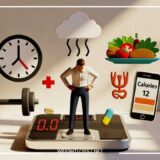
How Do I Lose Weight Healthily


How Do I Lose Weight Healthily – Tips for Safe Weight Loss
The journey toward weight loss is often portrayed as a battle, a sprint, or a grueling ordeal defined by deprivation. However, the most successful transformations—those that last a lifetime—are built on a foundation of health, respect for the body, and sustainable habits. Losing weight healthily is not about finding a secret trick or a shortcut; it is about aligning your daily choices with your body’s biological needs.
When we prioritize safe weight loss over rapid results, we protect our metabolic health, preserve muscle mass, and ensure that our energy levels remain high. Rapid crash diets often lead to a cycle of weight loss and regain, known as weight cycling or “yo-yo dieting,” which can be taxing on the cardiovascular system and psychological well-being. By focusing on gradual, steady progress, you are not just changing a number on a scale; you are cultivating a lifestyle that supports long-term vitality, improved mood, and a lower risk of chronic illness.
This comprehensive guide explores the multifaceted nature of healthy weight management, covering everything from the science of energy balance to the psychological shifts necessary for permanent change.
Understanding Weight Loss
To navigate weight loss safely, it is essential to understand the underlying mechanics of how the body manages energy. At its simplest level, weight management is governed by the principle of energy balance. However, the human body is a complex biological system, not a simple calculator.
Calories and Energy Balance
Every action your body performs, from the microscopic task of repairing DNA to the overt effort of running a marathon, requires energy. This energy is measured in calories. When the energy you consume through food and drink equals the energy your body uses, your weight stays stable. To lose weight, you must create a calorie deficit, meaning your body uses more energy than it takes in.
However, the “calories in vs. calories out” equation is more complex than it appears on paper. The quality of those calories matters significantly for satiety and hormonal health. A calorie from a nutrient-dense source like a whole grain provides fiber and lasting energy, whereas a calorie from refined sugar causes a spike in blood glucose followed by an insulin surge and a subsequent crash. This cycle often leading to increased hunger and cravings, making a deficit much harder to maintain.
The Role of Metabolism
Your metabolism is the sum of all chemical processes your body uses to stay alive. It is not a fixed speed, but a dynamic system. The largest portion of your energy expenditure is your Basal Metabolic Rate (BMR)—the calories burned while at rest to keep your heart beating, lungs breathing, and brain functioning.
A common mistake in weight loss is cutting calories too drastically. When the body senses a severe shortage of energy, it enters a state of “adaptive thermogenesis.” It may slow down the metabolism and decrease non-essential functions to conserve fuel. This is why extreme diets often result in a plateau where weight loss stops despite very low intake. A healthy approach involves a modest deficit—usually 300 to 500 calories below your maintenance level—that allows the metabolism to remain active while still drawing on stored body fat.
Common Misconceptions
The weight loss industry is filled with misconceptions that can lead to frustration. One major myth is that “detoxes” or “cleanses” are necessary for weight loss. In reality, your liver and kidneys are constantly detoxifying your body; no special juice can do it better.
Another misconception is that fat in the diet makes you fat. While dietary fat is more calorie-dense than protein or carbohydrates, it is essential for absorbing vitamins (A, D, E, and K) and maintaining hormone health. The goal is balance, not elimination. Finally, “spot reduction”—the idea that you can lose fat in one specific area, like the stomach or thighs, by doing targeted exercises—is biologically impossible. The body loses fat globally based on genetics, age, and overall energy balance.
Healthy Eating Habits
Nutrition is the cornerstone of safe weight loss. Rather than focusing on what to “eliminate,” a healthy approach focuses on what to “include” to ensure the body feels nourished and satisfied. When the body feels well-fed on a cellular level, cravings diminish.
The Anatomy of a Balanced Meal
A balanced plate should be rich in variety and color. Aim to fill a significant portion of your meals with vegetables and fruits. These are high in volume and fiber but low in energy density, allowing you to eat satisfying portions while maintaining a deficit.
-
Complex Carbohydrates: Opt for oats, brown rice, quinoa, and whole-wheat varieties. These provide fiber that slows digestion, preventing the insulin spikes that can lead to fat storage.
-
Healthy Fats: Incorporate sources like avocados, nuts, seeds, and olive oil. These are essential for satiety. A meal without fat often leaves you feeling hungry again within an hour.
-
Quality Proteins: Utilize legumes, beans, lentils, chickpeas, and low-fat dairy products. These are excellent sources of nutrients that support muscle maintenance. Protein has a high thermic effect, meaning your body uses more energy to digest it compared to fats or carbs.
The Power of Portion Control
Even healthy foods can lead to weight gain if consumed in excessive amounts. You don’t necessarily need to weigh every gram of food to succeed, as this can lead to an unhealthy obsession with numbers. Simple visual cues are often more sustainable:
-
The Plate Method: Use your plate as a guide. Half should be vegetables, one-quarter protein-rich foods, and one-quarter whole grains.
-
Hand Estimations: A serving of grains should be roughly the size of your fist; a serving of healthy fats like nuts should be the size of your thumb.
-
Smaller Dishware: Switching from a 12-inch dinner plate to a 9-inch plate can naturally reduce calorie intake by 20% without the brain perceiving a loss of volume.
Mindful Eating Techniques
In our fast-paced world, we often eat while “on the go” or distracted by screens. This disconnects the brain from the stomach’s signals. Mindful eating is the practice of re-establishing that connection.
-
The 20-Minute Rule: It takes about 20 minutes for the hormone cholecystokinin (CCK) and other satiety signals to reach the brain. If you finish a meal in five minutes, you are likely to overeat before you realize you are full.
-
Eliminate Distractions: Put away the phone and turn off the television. Focus on the texture, smell, and taste of your food.
-
The Hunger Scale: Before eating, rate your hunger from 1 to 10. Aim to start eating when you are at a 3 (hungry but not starving) and stop when you are at a 7 (satisfied but not stuffed).
Hydration and Metabolic Health
Water is vital for every metabolic process, including the breakdown of fat (lipolysis). Sometimes, the brain confuses thirst with hunger, leading us to eat when we actually just need fluids.
-
Pre-meal Hydration: Drinking a glass of water 30 minutes before a meal can help you feel more satisfied and reduce the total calories consumed during the meal.
-
Replacing Liquid Calories: Sugary beverages like sodas, sweetened coffees, and energy drinks provide “empty” calories that don’t trigger fullness. Replacing these with water, sparkling water, or herbal teas is often the simplest and most effective change one can make.
Physical Activity for Longevity
While nutrition is the primary driver of weight loss, physical activity is the primary driver of health maintenance, metabolic flexibility, and body composition. Exercise should not be viewed as a “punishment” for what you ate, but as a “celebration” of what your body can do.
The Cardiovascular Component
Cardiovascular exercise, or “cardio,” includes activities like brisk walking, cycling, swimming, or dancing. These activities increase your heart rate and are excellent for burning calories in the moment. More importantly, cardio strengthens the heart and lungs, improves circulation, and can help lower blood pressure and cholesterol.
For beginners, walking is the most underrated and accessible form of exercise. It is low-impact, requires no special equipment, and can be easily integrated into a daily routine. Aiming for 150 minutes of moderate-intensity cardio per week is a standard health recommendation that significantly aids weight management.
The Importance of Resistance Training
Building muscle is a secret weapon for weight loss. Muscle tissue is more metabolically active than fat tissue. This means that a person with more muscle will burn more calories while sitting, sleeping, and going about their day.
Resistance training does not have to mean heavy powerlifting. It can include:
-
Bodyweight exercises (squats, lunges, planks).
-
Using resistance bands.
-
Lifting light weights or using gym machines.
-
Pilates or certain types of rigorous yoga.
As you lose weight, your body naturally wants to shed both fat and muscle. Resistance training sends a signal to your body to keep the muscle and burn the fat instead, which is crucial for maintaining a toned appearance and a healthy metabolism.
Increasing NEAT (Non-Exercise Activity Thermogenesis)
NEAT refers to the energy expended for everything we do that is not sleeping, eating, or sports-like exercise. It includes walking to the mailbox, typing, fidgeting, and standing. Studies show that NEAT can vary between individuals by up to 2,000 calories a day.
To boost your NEAT:
-
Take the stairs instead of the elevator.
-
Set a timer to stand up and stretch every hour if you have a desk job.
-
Use a standing desk.
-
Engage in active chores like gardening, sweeping, or washing the car by hand.
Consistency Over Intensity
The most effective workout is the one you will actually do consistently. Many people fall into the trap of starting an intense program that they cannot sustain. It is far better to walk for 30 minutes every day than to do one grueling two-hour “boot camp” once a week and spend the rest of the time recovering. Start where you are, set manageable goals, and slowly increase the duration or intensity as your fitness improves.
Lifestyle Factors: The Hidden Pillars
Weight loss is often discussed as a simple matter of food and exercise, but the environment in which your body operates—governed by sleep and stress—is equally important.
The Science of Sleep
Research consistently shows that a lack of sleep interferes with the body’s ability to regulate weight. When you are sleep-deprived, several biological changes occur:
-
Hormonal Imbalance: Levels of ghrelin (the hunger hormone) increase, while levels of leptin (the fullness hormone) decrease. This leads to intense cravings, particularly for high-sugar, high-fat foods.
-
Insulin Sensitivity: Even a single night of poor sleep can decrease insulin sensitivity, making your body more likely to store fat.
-
Decision Fatigue: When you are tired, the prefrontal cortex—the part of the brain responsible for impulse control—is weakened. This makes it much harder to resist tempting foods.
Aim for 7 to 9 hours of quality sleep per night. Create a “sleep sanctuary” by keeping your bedroom cool, dark, and free of electronic screens.
Stress and Cortisol
Chronic stress is a major barrier to weight loss. When you are stressed, your body releases cortisol. In ancestral times, cortisol helped us survive by encouraging the body to store energy (fat) for future emergencies. In the modern world, chronic stress keeps cortisol levels high, often leading to weight gain in the abdominal area.
Furthermore, many people use food as an emotional coping mechanism. To break this cycle, it is vital to find non-food ways to manage stress:
-
Deep Breathing: Even five minutes of diaphragmatic breathing can lower cortisol.
-
Nature Therapy: Spending time in green spaces has been shown to reduce stress markers.
-
Hobbies: Engaging in tactile activities like knitting, painting, or reading can distract from stress-induced hunger.
Routine and Environmental Design
Willpower is a finite resource. The more decisions you have to make throughout the day, the more likely you are to make a poor choice by evening. “Environmental design” involves setting up your surroundings to make healthy choices the path of least resistance.
-
Prep Your Environment: Keep a bowl of fruit on the counter and put less healthy snacks in a high, hard-to-reach cupboard.
-
Meal Preparation: You don’t have to spend all Sunday cooking, but having pre-chopped vegetables or cooked grains in the fridge makes it easier to assemble a healthy meal when you’re tired.
-
Schedule Workouts: Treat your exercise time like an important doctor’s appointment. Put it on your calendar and stick to it.
Tracking Progress and Maintaining Perspective
How you measure success determines whether you stay motivated or give up. While the scale is one tool, it can be a “liar” if used in isolation.
The Limitations of the Scale
Your weight can fluctuate by several pounds in a single day due to:
-
Water retention from a salty meal.
-
Inflammation from a hard workout (muscle repair requires water).
-
Hormonal changes during the menstrual cycle.
-
The weight of undigested food in your system.
If the scale doesn’t move, it doesn’t mean you aren’t losing fat. You may be gaining muscle while losing fat, which is a process called “body recomposition.”
Non-Scale Victories (NSVs)
Focusing on non-scale victories provides a more holistic view of your progress:
-
Clothing Fit: Are your pants feeling looser?
-
Energy Levels: Do you no longer need a nap at 3:00 PM?
-
Physical Capabilities: Can you carry groceries or climb stairs without getting winded?
-
Health Markers: Are your blood pressure, blood sugar, or cholesterol levels improving?
-
Quality of Life: Are you sleeping better? Is your mood more stable?
Safe Monitoring Methods
If you choose to track your weight, do not do it daily if it causes anxiety. Weighing yourself once a week at the same time, wearing the same amount of clothing, provides a more accurate trend. Alternatively, taking progress photos every month or using a measuring tape to track inches lost at the waist and hips can be more encouraging than a numerical weight.
Common Pitfalls and How to Avoid Them
The path to weight loss is rarely a straight line. Being aware of common traps can help you navigate them when they arise.
The All-or-Nothing Mentality
This is the most common reason people fail. Someone eats one cookie, feels like they “ruined” their diet, and then decides to eat poorly for the rest of the day or weekend. This is like popping the other three tires on your car just because you got one flat.
Instead, practice the “80/20 rule.” Aim to eat nutrient-dense, whole foods 80% of the time, and allow for flexibility the other 20%. This prevents the feeling of deprivation that leads to binging.
Extreme Calorie Restriction
When people want results fast, they often drop their calories to dangerously low levels. This leads to:
-
Hair loss and brittle nails.
-
Extreme fatigue and irritability (“hanger”).
-
Loss of muscle tissue.
-
Gallstones and other medical complications.
Safe weight loss is generally considered to be 0.5 to 2 pounds per week. While this may seem slow, it is the rate at which your body can actually metabolize fat without sacrificing your health.
Comparison with Others
In the age of social media, it is easy to compare your progress to an influencer or a friend. However, you are seeing their “highlight reel,” not their struggles. Metabolism is highly individual, influenced by age, height, starting weight, and medical history (such as thyroid issues or PCOS). Your only true competition is the person you were yesterday.
Skipping Meals
Many people skip breakfast or lunch thinking they are “saving” calories. However, this often leads to “extreme hunger” by evening. When we are extremely hungry, we lose the ability to make rational food choices and are more likely to reach for high-calorie, ultra-processed foods. Eating consistent, balanced meals throughout the day keeps blood sugar stable and cravings at bay.
Motivation and the Mindset of Success
Weight loss is as much a mental challenge as a physical one. Long-term success requires a shift in how you view yourself and your goals.
Finding Your “Why”
“To look better” is a common goal, but it is often not enough to sustain you when things get difficult. A deeper “why” is more powerful. For example:
-
“I want to have the energy to play with my children.”
-
“I want to avoid the type 2 diabetes that runs in my family.”
-
“I want to feel strong and capable as I age.”
-
“I want to improve my self-esteem and mental health.”
Write your “why” down and place it somewhere you can see it when motivation wanes.
Setting SMART Goals
Vague goals like “I want to be healthy” are hard to achieve. Instead, use the SMART criteria:
-
Specific: “I will walk for 30 minutes.”
-
Measurable: “I will do this 4 times a week.”
-
Achievable: Don’t plan for 7 days if you currently do zero.
-
Relevant: This should align with your long-term health.
-
Time-bound: “I will do this for the next month.”
The Role of Self-Compassion
Shame is a poor motivator. Research shows that people who practice self-compassion are more likely to get back on track after a setback than those who are self-critical. If you have a day where you don’t meet your goals, acknowledge it, learn from it (e.g., “I ate that because I was stressed”), and move on. Your next meal is a fresh opportunity to nourish your body.
Rewarding Yourself (Non-Food)
Human beings respond well to rewards. When you reach a milestone—such as finishing a month of workouts or losing 10 pounds—celebrate it. However, avoid using food as a reward, as this reinforces the idea that “healthy eating” is a chore and “unhealthy eating” is a prize. Instead, try:
-
Buying a new book or a piece of music.
-
A professional massage or a spa day.
-
New workout gear or comfortable walking shoes.
-
A day trip to a park or museum you’ve wanted to visit.
Final Thoughts: The Journey is the Destination
Healthy weight loss is not a destination you reach and then leave behind. It is the process of learning to live in a way that honors your body. There is no “end date” to being healthy.
By focusing on small, sustainable changes, you avoid the physical and mental exhaustion that comes with extreme dieting. You learn how to navigate social situations, how to fuel your body for activity, and how to handle stress without turning to food.
The most important thing to remember is that you are worthy of health and happiness at any size. Weight loss should be an act of self-care, not self-hatred. When you approach your health with patience, curiosity, and consistency, the results will follow. Start today by making one small change—perhaps drinking an extra glass of water or taking a ten-minute walk—and recognize that every small step is a victory on the path to a healthier you.