How Can I Lose Weight for Free?


How Can I Lose Weight for Free? Proven No-Cost Tips That Actually Work
The weight loss industry is a multibillion-dollar machine designed to make you feel as though your health is a commodity that must be purchased. You are constantly bombarded with advertisements for subscription-based meal delivery services, expensive supplements, gym memberships with locked-in contracts, and high-end fitness tracking devices. This persistent marketing creates a dangerous myth: the belief that if you cannot afford the premium tools, the “secret” to weight loss is beyond your reach.
The reality is quite different. Your body does not know how much money you have in your bank account; it only responds to the energy balance you create through your daily actions, the quality of your sleep, the stress levels you manage, and your consistency in movement. Weight loss is fundamentally a physiological process, not a financial one. It is about energy in versus energy out, habit formation, and the long-term commitment to behaviors that support your biology rather than working against it.
In this guide, we will dismantle the barriers to entry for health. We will explore how you can leverage your own environment, your daily schedule, and your natural habits to shed weight effectively and sustainably. You do not need a trainer, a fancy gym, or expensive shakes. You only need the information contained here and the commitment to apply it.
How Weight Loss Actually Works: The Simple Science
To lose weight, you do not need to understand complex biochemistry, but you do need to understand the basic laws of thermodynamics as they apply to human metabolism.
The Energy Balance Equation
At the most basic level, your body operates on an energy balance. You consume energy in the form of calories from food and drink, and you expend energy through three main channels: your basal metabolic rate (the energy required just to keep your heart beating and organs functioning), the thermic effect of food (the energy used to digest and process what you eat), and physical activity.
When you consistently consume fewer calories than your body requires for its daily operations, it enters a state of caloric deficit. To maintain its functions, your body turns to its own stored energy—body fat—to bridge the gap. This is the physiological mechanism of weight loss. It is not about the “cleanliness” of a specific food, but the total intake relative to your output.
The Role of Consistency
One of the most common reasons people fail at weight loss is the pursuit of intensity over consistency. People often attempt to drop their calories to dangerously low levels or perform grueling exercise routines they cannot sustain for more than a few days. This triggers a stress response that often leads to burnout and bingeing. True, sustainable weight loss happens in the “middle ground”—a moderate, manageable deficit that you can maintain for months at a time, not just for a week.
Metabolism Is Not Static
Many fear that their metabolism is “damaged” or slow. While metabolism does vary based on age, muscle mass, and activity levels, it is not a fixed trait. By incorporating movement and prioritizing high-fiber foods, you can support a healthy metabolic rate. The goal is to lose weight while preserving your muscle mass, which is your body’s primary engine for burning calories at rest.
Free Nutrition Strategies That Work
Nutrition is where most people overcomplicate things. You do not need branded meal plans. You simply need to focus on how you eat and what you put on your plate.
1. Portion Control Without Counting Calories
Counting every calorie can become a source of anxiety. Instead, use behavioral cues:
-
The Plate Method: Aim to fill half your plate with colorful vegetables, a quarter with complex carbohydrates (like oats, brown rice, or quinoa), and a quarter with high-protein sources (like beans, lentils, or nuts).
-
Smaller Dinnerware: We often eat with our eyes. Using a 9-inch plate instead of a 12-inch plate makes a portion look more satisfying, leading to equal levels of satiety with fewer calories.
-
The 20-Minute Rule: It takes about 20 minutes for the satiety hormones in your gut to communicate with your brain. By eating slowly and chewing thoroughly, you allow this communication to happen before you have finished a second helping.
-
The 80% Rule: Aim to stop eating when you are comfortably satisfied, not stuffed. If you finish your meal and feel the need to lie down, you have likely over-consumed.
2. Prioritizing Whole, Minimally Processed Foods
Focus on foods that come from the earth in their original form. These foods are generally high in volume and fiber, which physically fills the stomach and triggers stretch receptors that signal fullness to the brain. Ultra-processed foods, by contrast, are often stripped of fiber and engineered to be consumed quickly, causing you to overeat before your body realizes it has had enough. By focusing on whole, fiber-rich staples like beans, legumes, grains, and fresh produce, you are essentially “naturally” controlling your calories without needing to track them.
3. The Power of Hydration
Dehydration is frequently masked as hunger. Before you reach for a snack, drink a large glass of water and wait 15 minutes. You may find that your “craving” was actually thirst. Furthermore, drinking water before a meal can help reduce your overall intake by taking up space in the stomach.
4. Liquid Calories: The Hidden Culprit
The easiest way to improve your health for free is to eliminate liquid calories. Sodas, sweetened coffees, energy drinks, and fruit juices often contain more sugar than a solid meal but provide almost no fullness. Replacing these with water, sparkling water with a slice of lemon, or unsweetened herbal tea can easily remove 300 to 500 calories from your daily intake without you having to change a single piece of solid food.
5. Planning and Pantry Inventory
Impulse eating is the enemy of weight loss. Before you go grocery shopping, take ten minutes to look at what you already have. Use up the beans in your cupboard or the frozen vegetables in your freezer. By planning around the items you already possess, you reduce the likelihood of making expensive, calorie-dense convenience purchases when you are tired or hungry.
Free Exercise You Can Do Anywhere
Exercise is not about the gym. It is about moving your body against gravity and increasing your heart rate.
1. Walking: The Foundation of Fat Loss
Walking is the most underrated exercise in existence. It requires zero equipment and carries a very low risk of injury.
-
The “After-Meal” Walk: A 10-minute walk immediately following a meal helps improve insulin sensitivity, meaning your body is better at processing the food you just ate.
-
The Commute/Errand Hack: If you have errands, can you walk instead of drive? If you take a bus, can you get off one stop early?
-
Increasing Intensity: Once a regular pace becomes easy, find a route with inclines or hills. Walking uphill recruits more muscle groups and increases your caloric expenditure significantly.
2. Bodyweight Circuits at Home
You do not need weights to build strength. Strength training is about challenging your muscles.
-
Squats: The king of leg exercises. Perform these at your own pace, ensuring your heels stay on the floor.
-
Push-ups: If a standard push-up is too difficult, start by doing them against a wall, then progress to a counter, and finally the floor.
-
Lunges: These build stability and target the lower body.
-
Planks: Hold for 30 to 60 seconds to build core stability.
Try this simple, free circuit: Perform 15 squats, 10 push-ups, 20 lunges (10 per side), and a 30-second plank. Repeat this cycle 3 times with 60 seconds of rest in between. It takes 20 minutes, is entirely free, and can be done in your living room.
3. Using Household Items
If you want to add resistance, you don’t need dumbbells. A backpack filled with books or water bottles works perfectly. Hold it against your chest while performing squats or lunges to increase the difficulty. This is a classic, effective way to apply “progressive overload”—the principle of gradually increasing the challenge to your muscles to spark change.
4. Increasing NEAT (Non-Exercise Activity Thermogenesis)
NEAT accounts for the calories you burn doing anything that isn’t sleeping, eating, or dedicated exercise. This includes fidgeting, standing, walking around your home, cleaning, or gardening. A person who stands while on the phone or paces while waiting for the kettle to boil can burn significantly more calories over a week than someone who remains sedentary. Every bit of movement counts toward your total energy expenditure.
Improve Sleep: The Free Metabolic Booster
Most people view sleep as “down time,” but for your body, it is “repair time.” Poor sleep wreaks havoc on your weight loss efforts by shifting your hunger hormones.
The Science of Sleep and Cravings
When you do not get enough sleep, your levels of ghrelin (the hunger hormone) spike, and your levels of leptin (the fullness hormone) drop. This is why you feel ravenous the day after a bad night of sleep. Furthermore, sleep deprivation weakens your impulse control, making you more likely to reach for high-sugar or high-fat foods.
Free Sleep Hygiene Tips
-
The 30-Minute Wind-Down: Avoid screens 30 minutes before bed. The blue light emitted by phones and laptops suppresses melatonin, the hormone that helps you sleep.
-
Environment Control: A cool, pitch-black room is best for sleep. Use heavy curtains or even a mask to block out light.
-
Consistency: Try to go to bed and wake up at the same time every day, even on weekends. This trains your internal clock and makes falling asleep easier.
Manage Stress to Prevent Emotional Eating
Stress is a silent killer of weight loss. When you are stressed, your body produces cortisol. While cortisol is useful in short bursts, chronic stress leads to chronically elevated cortisol, which promotes fat storage in the abdominal region and triggers cravings for “comfort” foods.
Free Stress Management Tools
-
Box Breathing: Inhale for 4 seconds, hold for 4 seconds, exhale for 4 seconds, hold for 4 seconds. Repeat for 5 minutes. This simple, free technique physically forces your nervous system to calm down.
-
Journaling: Getting your stressors out of your head and onto paper can reduce the mental load that triggers emotional eating.
-
Mindful Walking: Take a walk without a podcast or music. Just listen to your surroundings. This serves as a form of moving meditation that can lower cortisol levels.
-
Talking to a Friend: Social connection is a powerful stress reliever. Venting to a friend is free and often provides the emotional validation you need to avoid turning to food for comfort.
Mindset Shifts That Make Weight Loss Free
The greatest barrier to free weight loss is the belief that it needs to be “hard” or “complicated.”
1. Stop Looking for Shortcuts
Shortcuts almost always lead to dead ends. When you realize that there is no magic pill or tea, you can finally stop spending money on them and start focusing on the long-term work that actually changes your biology.
2. Focus on Habits, Not Motivation
Motivation is fleeting. It feels great on a Monday but is often gone by Thursday. Habits, however, are reliable. Instead of relying on the “feeling” of wanting to exercise, build a system where you just do it at a specific time, regardless of how you feel.
3. Track Progress Without Fancy Tools
You do not need an expensive body-fat analyzer.
-
Photos: Take a photo from the front and side once every two weeks.
-
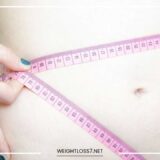
Measurements: Use a simple piece of string to measure your waist circumference, then hold that string against a ruler.
-
Clothing: The way your clothes fit is often a better indicator of progress than the scale, as the scale can be influenced by water weight and hormonal fluctuations.
4. Celebrate Non-Scale Victories
Weight loss is not just about the number. If you have more energy to get through the workday, better focus, clearer skin, or just feel more comfortable in your own body, you are succeeding. Celebrate these wins; they are the markers of a healthier lifestyle.
Sample 7-Day Free Weight Loss Plan
This plan is a template. Adjust it to your current fitness and energy levels.
-
Monday: 30-minute brisk walk + 20-minute bodyweight home circuit.
-
Tuesday: Focus on hydration and meal planning. 20-minute stretching session.
-
Wednesday: 45-minute brisk walk (listen to an audiobook or podcast).
-
Thursday: 20-minute bodyweight home circuit + extra focus on cleaning/tidying (NEAT).
-
Friday: 30-minute walk + 10 minutes of deep-breathing/meditation before bed.
-
Saturday: Long-form activity: 60-minute walk or house/yard work.
-
Sunday: Active rest. Light walking or gentle movement. Focus on preparation for the upcoming week.
Daily Goals:
-
Drink water before every meal.
-
Aim for 7–8 hours of sleep.
-
Eat slowly and stop at 80% full.
-
Move your body in some way for at least 30 minutes.
Common Mistakes That Slow Free Weight Loss
Even with a free plan, you can hit snags. Watch out for these pitfalls:
-
The “All or Nothing” Mentality: Missing one workout or having one “unplanned” meal does not mean you have failed. Just get back on track at the next meal or the next day.
-
Skipping Meals: This usually leads to extreme hunger and impulsive eating later. Keep your eating pattern consistent.
-
Drinking Calories: Even “healthy” fruit smoothies can be calorie bombs. Stick to water and tea.
-
Expecting Instant Results: If you lose 0.5 pounds a week, you have lost 26 pounds in a year. That is a massive transformation. Patience is your best friend.
How Long Does It Take to Lose Weight Without Spending Money?
Realistically, a safe and sustainable rate of weight loss is about 0.5 to 1 pound per week. While the industry promises 10 pounds in 10 days, that is rarely fat loss; it is usually water weight and muscle glycogen. Losing weight slowly ensures that the loss comes from body fat rather than muscle tissue, which helps keep your metabolism strong.
If you are consistent, you will likely start noticing changes in how your clothes fit within 4 to 6 weeks. After 3 months, friends and family will notice. After 6 months, you will be a different person. Do not chase the clock. Chase the habit.
Final Encouragement
The path to a healthier weight is not behind a paywall. It is built in the daily choices you make: the extra walk you take, the glass of water you choose over a soda, the way you speak to yourself when you feel stressed, and the time you dedicate to your own rest.
You do not need to be wealthy to be healthy. You simply need to be persistent. Start today. Pick two changes—perhaps walking for 10 minutes after dinner and drinking one extra glass of water before each meal—and commit to them for the next week. You have all the tools you need right now, inside your own home and within your own routine, to change your life forever.