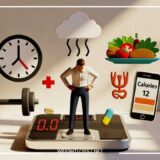
Healthy Weight Loss Each Week


Healthy Weight Loss Each Week | Safe & Sustainable Tips for Fat Loss
In a world obsessed with instant gratification, the concept of weight loss often gets twisted into a race for the fastest result. We are constantly bombarded with quick-fix diets, detoxes, and promises of dramatic drops in a matter of days. However, the truth—and the key to lasting success—lies in a much simpler, more sustainable approach: gradual, healthy weight loss each week.
The goal of shedding pounds is not just to see a lower number on the scale, but to improve your overall health, boost your energy, and sustain those positive changes for years to come. Quick weight loss is almost always the result of losing water weight and lean muscle mass, which is neither healthy nor permanent. These restrictive approaches are rarely sustainable and often lead to the dreaded “yo-yo” cycle, where lost weight is quickly regained, sometimes with extra pounds.
This comprehensive guide is designed to shift your focus from frantic dieting to establishing a permanent, gentle, and effective lifestyle shift. We will explore the proven, practical strategies that support the medically recommended target of 1 to 2 pounds of weight loss per week. This pace ensures you are losing primarily stored body fat, preserving valuable muscle mass, and integrating habits that will keep the weight off for good. When you prioritize sustainability over speed, you’re not just losing weight; you’re building a healthier, more vibrant life.
What is a Healthy Rate of Weight Loss?
The single most important concept to grasp when starting a weight loss journey is the recommended speed of progress. Experts in nutrition and medicine overwhelmingly endorse a rate of 1 to 2 pounds (approximately 0.5 to 1 kilogram) of weight loss per week as the gold standard for healthy, sustainable change.
The Medically Recommended Target
Why is this slow and steady pace so crucial? A weight loss rate of 1 to 2 pounds per week is directly correlated with losing stored body fat, which is the ultimate goal. To achieve this, you need to create a moderate and consistent calorie deficit. Since one pound of body fat is roughly equivalent to 3,500 calories, losing one pound per week requires a daily deficit of about 500 calories (500 calories/day × 7 days/week ≈ 3,500 calories). A deficit of 1,000 calories per day would aim for a 2-pound loss per week. These numbers are manageable through dietary adjustments and increased physical activity without causing extreme hunger or fatigue.
Why Losing Weight Too Quickly Can Be Counterproductive
While it might be tempting to aim for a faster rate, losing weight rapidly—especially anything more than 3 pounds per week over a sustained period—is often a sign that you are losing something other than just fat. In the initial stages of a very restrictive diet, the scale drops fast because your body sheds excess water weight and breaks down glycogen (stored carbohydrates). However, beyond that initial phase, rapid weight loss tends to tap into your body’s vital lean mass, including muscle.
Losing muscle is highly counterproductive to long-term weight management. Muscle is metabolically active, meaning it helps burn more calories even at rest. The less muscle you have, the slower your resting metabolism becomes. This makes it significantly harder to maintain your weight loss and sets you up for the dreaded yo-yo dieting risk. When you inevitably return to a more normal eating pattern, your now-slower metabolism is less equipped to handle the same calorie intake, and you quickly regain the weight—often as fat—and often more than you lost.
Focusing on the 1–2 pounds per week target shifts your perspective from short-term results to long-term mastery. It’s about creating habits you can sustain for the rest of your life, ensuring that the weight you lose stays off, and your health improves steadily over time.
Understanding Calories In vs. Calories Out
At its core, all weight management boils down to the concept of energy balance, often summarized as “Calories In vs. Calories Out.” While this model is simplified and doesn’t account for every biological nuance, it remains the foundational principle of weight loss.
The Basic Explanation of Calorie Deficit
A calorie is simply a unit of energy. The food and drinks you consume provide calories (Calories In). Your body uses calories for everything you do, from breathing and pumping blood (your Basal Metabolic Rate or BMR) to walking, exercising, and even digesting food (Calories Out).
- Weight Maintenance: If Calories In Calories Out, your weight remains stable.
- Weight Gain: If Calories In Calories Out, your body stores the excess energy, typically as fat.
- Weight Loss: If Calories In Calories Out, you create a calorie deficit. Your body must then pull the extra energy it needs from its own stores—primarily stored body fat—leading to weight loss.
Estimating Your Daily Calorie Needs
To create a deficit, you first need a reasonable estimate of your maintenance needs. This involves calculating your Total Daily Energy Expenditure (TDEE). The TDEE is an estimate of how many calories you burn each day, factoring in your BMR, physical activity level, and the energy used for digestion.
While online calculators can provide a rough starting point, they are just estimates. The best approach is often to track your current intake for a week while your weight remains stable; this average intake is likely close to your maintenance calories.
Tips for Creating a Moderate Calorie Deficit
Once you have an estimate, aim for the recommended 500- to 1,000-calorie daily deficit to target the 1–2 pound weekly loss. It is crucial to achieve this without resorting to extreme restriction.
- Prioritize Volume: Choose foods that provide a large volume with fewer calories. Foods rich in fiber and water (like fruits, vegetables, and legumes) fill your stomach quickly, triggering satiety signals to your brain without a massive calorie cost.
- Focus on Nutrient Density: Ensure the calories you do consume are packed with essential nutrients. This supports high energy levels, proper bodily function, and keeps hunger hormones balanced.
- Moderate Reduction, Not Elimination: Instead of cutting out entire food groups, look for areas where you can make moderate reductions. For many people, this involves reducing the intake of added sugars, fried items, and high-calorie beverages like sodas and specialty coffees.
- Listen to Your Body: A moderate deficit should leave you feeling satisfied after meals, not ravenously hungry. If you feel constantly deprived, the deficit is likely too large to sustain, and you risk a binge-and-restrict cycle.
The key is consistency. A slight, manageable deficit applied every day is vastly more effective than a massive, punishing deficit that you can only stick to for a few days before giving up.
Building a Balanced, Nutrient-Dense Eating Pattern
Sustainable weight loss is not about deprivation; it’s about superior nutrition. The goal is to build an eating pattern rich in essential nutrients that supports energy, muscle maintenance, and satiety while naturally promoting a healthy calorie deficit. When you focus on the quality of your food, the quantity often takes care of itself.
Focus on Core Food Groups
To achieve optimal nutrition and control calories without feeling hungry, your eating pattern should revolve around specific, health-promoting food categories:
- Whole Grains: These are crucial sources of complex carbohydrates and fiber. Options like oats, quinoa, brown rice, whole-wheat bread, and barley provide sustained energy and support digestive health.
- Legumes: These powerhouses—including beans (black, kidney, navy), lentils, and peas—are excellent sources of both dietary fiber and protein. They are incredibly filling and versatile, making them a staple for managing hunger.
- Fruits and Vegetables: These should make up the bulk of your plate. They are low in calories and exceptionally high in water, vitamins, minerals, and antioxidants. Aim for a wide variety of colors to ensure you get a broad spectrum of nutrients.
- Healthy Fats: Essential for hormone production, nutrient absorption, and satiety. Focus on sources like avocados, nuts, seeds (such as chia, flax, and sunflower), and high-quality oils (like olive oil).
- Fiber-Rich Foods: Fiber, found abundantly in all the categories above, is your ally in weight loss. It slows down digestion, stabilizing blood sugar and prolonging the feeling of fullness.
Portion Awareness (Not Just Calorie Counting)
While calories matter, constantly weighing and measuring food can be tedious and stressful. A more sustainable approach is to develop portion awareness using simple visual cues:
- Veggies: Aim for the largest portion of your plate (up to half) to be non-starchy vegetables.
- Grains/Starches: Keep servings of whole grains and starchy vegetables (like potatoes) to a size roughly equivalent to your closed fist.
- Legumes/Protein: Aim for a serving size similar to the palm of your hand.
- Fats: Keep portions of nuts, seeds, or oil to a thumb-sized serving.
This method allows for flexibility and reduces the mental burden of constant tracking, making the eating pattern easier to maintain long-term.
The Importance of Hydration
Water is not just a nutrient; it’s a critical component of weight loss. Proper hydration supports metabolism and helps your body efficiently burn calories.
- Satiety: Often, the body mistakes thirst for hunger. Drinking a glass of water before a meal can help you accurately gauge your hunger level and prevent overeating.
- Digestive Health: Fiber needs water to move efficiently through the digestive system. Adequate water intake, combined with fiber, promotes regularity, which is vital for overall wellness.
- Overall Function: Water is necessary for every bodily process, including the transportation of nutrients and the elimination of waste. Make water your primary beverage choice throughout the day.
Limiting Added Sugars and Ultra-Processed Foods
To naturally create a calorie deficit while maximizing nutrient intake, focus on limiting foods that deliver many calories with few nutrients—often called “empty calories.”
- Added Sugars: Sugary drinks (soda, sweetened teas, fruit juices with added sugar), candies, and baked goods often provide a massive load of easily digestible calories that do not promote satiety, leading to overconsumption.
- Ultra-Processed Foods: These items—such as many pre-packaged snack foods, ready meals, and refined cereals—are often high in refined grains, unhealthy fats, and sodium. Their formulation often overrides the body’s natural fullness signals, making it easy to eat large portions and consume excess calories.
By consistently choosing whole, minimally processed foods, you are not just cutting calories; you are significantly upgrading your body’s fuel source, which, in turn, helps you feel full and energized while you shed pounds.
Movement and Physical Activity
While dietary changes drive the bulk of weight loss, movement and physical activity are non-negotiable components of a healthy, sustainable weight management plan. They not only increase the “Calories Out” side of the equation but also deliver profound benefits for metabolism, muscle mass, and mental health.
The Role of Physical Activity in Sustainable Weight Loss
Physical activity supports sustainable weight loss in several key ways:
- Increases Energy Expenditure: Any movement burns calories. While it’s harder to out-exercise a poor diet, incorporating daily activity helps create and maintain the necessary calorie deficit.
- Preserves Lean Muscle Mass: This is perhaps the most critical role. As you lose weight, you risk losing muscle along with fat. Exercise, particularly resistance training, sends a signal to your body to preserve muscle, which is essential for keeping your metabolism robust and preventing weight regain.
- Boosts Metabolism: Regular exercise, especially intensity-based training, can have a long-lasting effect on your metabolism, causing you to burn more calories even after your workout is over (the afterburn effect).
- Mood and Stress Management: Physical activity releases endorphins, improving mood and reducing stress. This is a powerful benefit, as it reduces the likelihood of relying on emotional eating as a coping mechanism.
Types of Exercises That Support Weight Loss
A well-rounded plan includes a combination of activity types:
- Cardio (Aerobic Exercise): Activities that elevate your heart rate are excellent for burning calories and improving cardiovascular health. This includes brisk walking, jogging, swimming, cycling, or dancing. Aim for at least 150 minutes of moderate-intensity cardio or 75 minutes of vigorous-intensity cardio per week.
- Resistance Training (Strength Training): This is non-negotiable for preserving and building muscle mass. Resistance training can involve using weights (dumbbells, kettlebells), resistance bands, or your own body weight (e.g., squats, lunges, push-ups). Aim for two to three sessions per week targeting all major muscle groups.
- Daily Movement: Don’t underestimate the power of Non-Exercise Activity Thermogenesis (NEAT). This is the energy expended for everything you do that is not sleeping, eating, or sports-like exercise. Simple habits—taking the stairs, parking further away, standing while talking on the phone, or taking a short walk after a meal—add up significantly over the week.
Emphasize Starting Slow and Building Consistent Habits
The biggest mistake people make is going from zero activity to two hours a day at the gym. This leads to burnout, injury, and frustration. Consistency is more important than intensity when starting out.
- Start Small: If you currently exercise zero days a week, aim for two or three 30-minute walks. Once that feels routine, increase the time, the speed, or introduce one resistance session.
- Find What You Enjoy: If you hate the treadmill, don’t force it. Try hiking, cycling, team sports, or yoga. Movement should be a source of joy and energy, not punishment.
- Schedule It: Treat your workout time like any other important appointment. Put it on your calendar and commit to it.
By integrating regular, enjoyable movement into your life, you solidify the “Calories Out” side of the equation and ensure that the weight you lose is fat, not precious muscle.
Sleep, Stress & Hormones: The Hidden Factors
Many people focus intensely on diet and exercise yet overlook the powerful, often hidden, factors that can entirely sabotage their best efforts: sleep, stress, and the hormones they regulate. Weight loss is not just a mechanical process; it is deeply biological and psychological.
Importance of Sleep for Appetite Regulation and Recovery
When you are sleep-deprived, your body’s hormonal balance is thrown into disarray, making weight loss incredibly difficult.
- Ghrelin and Leptin: Lack of sleep increases the production of ghrelin (the “hunger hormone”), which stimulates appetite and drives cravings for high-calorie, high-sugar foods. Simultaneously, it decreases the production of leptin (the “satiety hormone”), which signals to your brain that you are full. The net result is increased hunger and a reduced ability to feel satisfied.
- Insulin Sensitivity: Chronic sleep debt impairs the body’s ability to use insulin effectively (insulin resistance). When this happens, your body struggles to regulate blood sugar, leading to increased fat storage and a higher risk of conditions like Type 2 diabetes.
- Energy and Decision-Making: When you are tired, you have less energy to exercise and less mental capacity to make healthy food choices. It’s easier to reach for quick, processed energy boosts when you’re running on fumes.
Aim for 7 to 9 hours of quality, uninterrupted sleep per night. Establish a consistent bedtime and wake-up time, and create a relaxing pre-sleep routine to signal to your body that it’s time to wind down.
How Stress Affects Weight Gain
Stress is an equally powerful, non-caloric weight loss obstacle.
- Cortisol Release: When you experience physical or psychological stress (work deadlines, financial worry, lack of sleep), your body releases the hormone cortisol. Cortisol’s primary role is to prepare your body for a “fight or flight” response, which includes increasing blood sugar and, critically, signaling your body to store fat, particularly in the abdominal area (visceral fat).
- Emotional Eating: Many people cope with the discomfort of chronic stress by turning to food, a behavior known as emotional eating. This is an attempt to use food to soothe negative feelings, leading to consumption that is unrelated to actual physical hunger and results in a calorie surplus.
Strategies for Managing Stress
Effective weight management requires effective stress management:
- Mindfulness and Deep Breathing: Even a few minutes of focused, deep, diaphragmatic breathing can calm the nervous system and lower cortisol levels. Mindfulness meditation helps you notice stressful feelings without immediately reacting to them, creating a crucial pause before turning to food.
- Movement as Stress Relief: Use exercise not just for calorie burning but as a therapeutic release. A brisk walk, a yoga session, or a swim can clear your mind and reduce physical tension.
- Time Management and Boundaries: Often, stress comes from feeling overwhelmed. Learning to prioritize tasks, say “no” to non-essential commitments, and schedule time for rest is a vital component of hormonal health.
- Connection: Spend time with supportive friends, family, or pets. Social connection is a powerful antidote to stress, releasing feel-good hormones that counteract the effects of cortisol.
By treating sleep and stress management as non-negotiable pillars of your weight loss plan, you tackle the hormonal and psychological barriers that often derail even the most dedicated efforts.
Tracking Progress the Right Way
A common mistake in weight loss is relying solely on the bathroom scale. While the scale provides one piece of data, it tells an incomplete—and often frustrating—story. Healthy, sustainable progress is multifaceted and must be tracked with a holistic view.
Why the Scale Isn’t Everything
The number on the scale fluctuates daily due to factors that have nothing to do with fat loss:
- Water Retention: Salty foods, high-carbohydrate intake, changes in hormones (especially in women), and strenuous exercise can cause temporary water weight fluctuations of several pounds overnight.
- Muscle Gain: If you are consistently doing resistance training, you will be building or preserving muscle. Because muscle is denser than fat, your body composition is improving even if the scale doesn’t budge—or even goes up slightly.
- Digestion: The weight of undigested food and waste material in your digestive tract can temporarily impact your scale reading.
It’s best to weigh yourself no more than once a week, or to take a weekly average if you must weigh daily, to get a truer trend line.
Other Signs of Progress
Focusing on non-scale victories (NSVs) provides a more accurate, motivating, and sustainable picture of your progress:
- Energy Levels: Are you waking up with more energy? Do you feel less fatigued throughout the day? Higher energy is a direct result of fueling your body with nutrient-dense foods and getting better sleep.
- Mood and Mental Clarity: Has your mood improved? Do you feel less anxious or stressed? A cleaner eating pattern and regular movement positively impact brain chemistry.
- Clothes Fit: This is one of the most reliable indicators of actual fat loss. If your clothes feel looser, it means you are losing inches, even if the scale is misleading you.
- Endurance and Strength: Can you walk further without getting winded? Can you lift a heavier weight, or do more repetitions? Improvements in fitness are a clear sign that your body is becoming healthier and stronger.
- Biological Metrics: For those monitoring with a healthcare provider, improvements in blood pressure, cholesterol levels, and blood sugar are the most important indicators of better long-term health.
Tracking Food Intake and Habits Without Obsession
Tracking can be a powerful tool for awareness, but it must be done with flexibility and without fostering an unhealthy obsession.
- Awareness, Not Judgment: Tracking your food and drink intake for a week can reveal where excess calories might be creeping in (e.g., hidden sugars in sauces, high-calorie beverages, or unconscious snacking). The goal is to gain awareness, not to judge or restrict yourself.
- Focus on Consistency: Instead of tracking every calorie forever, try tracking habits: “Did I drink eight glasses of water today?” “Did I have vegetables at two meals?” “Did I move for 30 minutes?” This method focuses on the behaviors that drive results.
- Journaling: A simple journal that records how you feel after a meal (e.g., “satisfied,” “sluggish,” “energized”) can be far more valuable than a rigid calorie count. It helps you identify which foods and habits truly serve your body and well-being.
Consistency, measured through multiple metrics (not just the scale), ensures you stay motivated and recognize the true, holistic impact of your positive lifestyle changes.
Common Pitfalls to Avoid
The path to healthy weight loss is rarely a straight line. Recognizing and deliberately avoiding common mistakes can save you months of frustration and prevent setbacks. Sustainable weight loss is as much about what you do as what you don’t do.
Skipping Meals or Under-Eating
This is a classic and highly counterproductive error. While it seems logical that eating less equals more weight loss, severe calorie restriction is metabolically damaging and psychologically unsustainable.
- Metabolic Slowdown: When you drastically reduce calories (often below 1,200 per day), your body perceives it as a famine and dramatically lowers your resting metabolic rate (RMR) to conserve energy. This makes it incredibly hard to lose weight and ensures rapid weight regain when you start eating normally again.
- Binge Risk: Extreme restriction leads to overwhelming hunger, preoccupation with food, and an inevitable loss of control, resulting in a compensatory binge that quickly erases the calorie deficit you worked so hard to create.
A healthy deficit means eating enough nutrient-dense food to feel satisfied and energized.
Relying on Fad Diets or Detoxes
Fad diets, extreme juice cleanses, or “detoxes” almost always promise rapid, unrealistic results. They typically involve eliminating entire food groups or relying on a few restricted items.
- Nutrient Deficiencies: These diets often lack essential nutrients, leading to fatigue, poor immune function, and long-term health risks.
- Unhealthy Relationship with Food: They teach you nothing about real-world eating, portion control, or balance. They are temporary fixes that set you up for failure once the “diet” ends.
- The Weight Regain Cycle: Any weight loss achieved is typically water and muscle, not fat, and is quickly regained once the restrictive plan stops, perpetuating the yo-yo cycle.
Expecting Instant Results
Impatience is a silent killer of motivation. The desire to see big drops immediately often leads to frustration when the healthy rate of 1–2 pounds per week is achieved instead.
- Set Realistic Expectations: Remind yourself constantly that you are aiming for permanent change. Weight was not gained overnight, and it will not be lost overnight.
- Celebrate Small Wins: Focus your joy on the small, consistent victories: hitting your water goal, sticking to your movement plan, or choosing an apple over a highly processed snack. These small wins build momentum more effectively than waiting for a dramatic scale change.
All-or-Nothing Thinking
The “all-or-nothing” or “perfectionist” mindset is lethal to long-term consistency. This happens when a minor deviation from your plan—a single extra serving, a skipped workout—is viewed as a complete failure, leading to the thought, “I messed up, so I’ll give up entirely.”
- The 80/20 Rule: Aim for consistency, not perfection. If you are hitting your healthy habits 80% of the time, you will succeed.
- The “Next Meal” Reset: If you overeat at lunch, your failure is not the entire day, the entire week, or your entire journey. It’s one meal. The healthiest, most sustainable response is to immediately reset with your very next meal or next opportunity for activity. Learn from the slip-up and move on, without guilt or self-punishment.
Avoiding these common pitfalls transforms a difficult journey into a practical, forgiving, and much more successful endeavor.
Motivation and Mindset
The physical mechanics of weight loss (calories, food choice, exercise) are only half the story. The other, arguably more important, half is the mindset that drives your actions. A resilient, positive, and forward-looking mindset is the engine of long-term success.
Focusing on Long-Term Health, Not Just the Number on the Scale
Shift your internal conversation from “I need to weigh X pounds” to “I am building a body that is strong, energized, and capable.”
- Intrinsic Motivation: True, lasting motivation is intrinsic (comes from within) and tied to values deeper than appearance. Focus on wanting to be healthy to play with your children or grandchildren, to have the energy to pursue a passion, or to reduce the risk of chronic disease.
- Health at Every Size: Prioritize health behaviors—eating well, moving often, managing stress—regardless of what the scale says. When you prioritize health as the primary goal, weight loss becomes a positive side effect, not a stressful metric of success or failure.
Setting Small, Achievable Goals
Large, ambitious goals (like losing 50 pounds) can feel overwhelming and distant. Break the journey down into manageable, actionable steps.
- Process Goals: Focus on goals related to the process or behavior itself, not the outcome.
- Instead of: “Lose 2 pounds this week.”
- Try: “Walk for 30 minutes every day this week,” or “Include a serving of vegetables at every lunch and dinner.”
- Milestones: Celebrate small, non-scale milestones, such as fitting into a favorite piece of clothing, hitting a new personal best on a run, or consistently preparing healthy meals at home. These small successes build confidence and make the journey feel winnable.
Staying Motivated During Plateaus
A plateau—a period where weight loss stalls despite consistent effort—is a normal, expected part of the journey. The biggest difference between those who succeed and those who quit is how they handle the plateau.
- Reassess, Don’t Quit: A plateau is a signal to reassess your habits. Have you become less accurate in tracking portions? Have you reduced your exercise intensity? Often, a small adjustment—increasing your daily steps, changing your resistance training routine, or tightening up your food awareness—is all that’s needed.
- Focus on NSVs: This is where non-scale victories shine. During a plateau, the scale is stagnant, but you can continue to focus on your strength gains, improved sleep, or better mood. These remind you that your efforts are paying off in ways the scale can’t measure.
Building a Positive Relationship with Food and Your Body
Long-term success depends on peace with food. Food should be a source of nourishment, pleasure, and connection—not guilt, shame, or anxiety.
- Ditch the “Good” and “Bad” Labels: Stop labeling foods as “good” or “bad.” This fosters moralizing around eating. Instead, view foods as “eat more often” (nutrient-dense, whole foods) and “eat less often” (highly processed, empty-calorie foods).
- Self-Compassion: Be kind to yourself. There will be days when you deviate from your plan. Treat yourself with the same compassion and encouragement you would offer a struggling friend. Guilt serves no healthy purpose; self-correction with kindness is the ultimate tool.
Final Thoughts: Long-Term Wellness Over Quick Fixes
You now have the comprehensive blueprint for Healthy Weight Loss Each Week. This plan is built on the robust, undeniable foundation of science and sustainability: the moderate calorie deficit, the power of whole, nutrient-dense foods, the essential role of consistent movement, and the critical importance of a healthy mind and body (sleep and stress).
The goal is not to endure a temporary period of misery just to lose 10 pounds; the goal is to create a permanent, enjoyable way of life that naturally keeps you within a healthy weight range and maximizes your energy and longevity.
Reiterate the Importance of Steady Progress: Remember the 1–2 pounds per week target. This is the pace of a champion—the pace that ensures you are losing fat, preserving muscle, protecting your metabolism, and building habits that will last a lifetime. Do not be discouraged by slow progress; be encouraged by consistent progress.
Focus on the tangible results you can feel: your increasing strength, your deeper, more restful sleep, the calm and clarity you gain from managing stress, and the boundless energy that allows you to engage fully with your life.
Your weight loss journey is not a sprint; it’s a marathon where the only requirement is that you show up and make the next right choice. Slow, steady wins the race. Embrace the process, trust the progress, and know that every small, healthy choice you make today is an investment in a healthier, more vibrant tomorrow.
Mini FAQ Section
Q: Is it okay to lose more than 2 pounds per week sometimes?
A: Yes, especially at the very start of a journey. It’s common for people to lose 3–5 pounds in the first week or two, which is mostly a healthy and expected flush of water weight and stored glycogen as you reduce sodium and refined carbohydrates. However, after the first few weeks, the rate should settle back to the 1–2 pound per week range. If you continue to lose much more than 2 pounds per week for an extended period, you should reassess your calorie intake and ensure you are not under-eating or sacrificing muscle, as this is not a sustainable rate and may lead to nutritional deficiencies.
Q: What if I feel constantly hungry on a deficit?
A: Constant, gnawing hunger is a sign that your deficit is too large, or you are choosing the wrong types of foods. Do not tough it out! First, increase your fluid intake (water). Second, dramatically increase your intake of fiber and protein-rich foods like legumes, whole grains, and vegetables. These foods provide volume and sustained satiety. If hunger persists, slightly increase your overall healthy calorie intake by 100–200 calories and see if that manages the hunger while still allowing for a healthy 1-to-2-pound loss.
Q: How long should I do resistance training, and is it necessary?
A: Yes, resistance training is absolutely necessary for healthy, sustainable weight loss. It is the best tool for preserving lean muscle mass and keeping your metabolism high. Aim for 2 to 3 sessions per week, each lasting about 30–45 minutes, focusing on major compound movements (e.g., squats, lunges, pushes, pulls). This is enough to signal to your body to maintain or build muscle, which is crucial for preventing weight regain.
📅 Sample 7-Day Wellness Checklist
Use this checklist to track behaviors that drive weight loss, not just the scale. Aim to check off at least 5 of the 7 days for each item to build powerful consistency.
| Habit/Goal | Mon | Tue | Wed | Thu | Fri | Sat | Sun |
| Hydration: Drank glasses of water. | |||||||
| Movement: 30+ minutes of brisk movement/exercise. | |||||||
| Nourishment: Veggies/fruit at main meals. | |||||||
| Resistance: Completed a 30-min strength session. | |||||||
| Sleep/Stress: In bed by 10:30 PM (or hrs sleep). | |||||||
| Mindful Eating: Ate slowly, without phone/TV distraction. | |||||||
| Limit Empty Cals: No high-sugar drinks or processed snacks. |