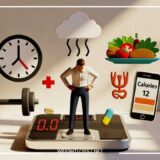
Healthiest and Fastest Way to Lose Weight


Healthiest and Fastest Way to Lose Weight | Safe, Sustainable Fat Loss Guide
The desire to lose weight quickly is a nearly universal human experience. In our fast-paced culture, where instant results are often expected in every facet of life, it is only natural to seek that same efficiency in our health journeys. However, when we decide it is time to change our body composition, the urgency to see results often clashes with the biological reality of how the human body functions.
While crash diets and extreme restrictions promise rapid, headline-grabbing transformations, they frequently lead to a cycle of muscle loss, metabolic suppression, and the inevitable return of the weight that was lost. The body is not a machine that can simply be switched into “burn mode”; it is a complex, adaptive organism that prioritizes survival above aesthetic goals.
True weight loss—the kind that leaves you feeling energized, strong, and capable—is about strategic, science-backed habits. It is not about starvation or punishing exercise; it is about optimization. This guide explores the healthiest and most efficient path to fat loss, ensuring you shed excess weight while keeping your metabolism, hormonal health, and well-being intact.
What Healthy and Fast Weight Loss Really Means
The term “fast” is often misinterpreted in the fitness industry. To achieve a sustainable result, we must redefine what “fast” means in a clinical context.
The Realistic Target
The gold standard recommended by health professionals is typically a loss of 0.5 to 1 kilogram (1 to 2 pounds) per week. While this may seem slow when compared to the aggressive claims of fad diets promising 5 kilograms in a week, this rate of loss represents a genuine reduction in body fat rather than a temporary fluctuation in water weight or the loss of vital muscle tissue.
Fat Loss vs. Weight Loss
It is crucial to distinguish between the two. When you lose weight too quickly, your body often cannibalizes muscle mass to meet energy demands. Muscle is metabolically active tissue; the more you have, the higher your resting metabolic rate. By aiming for a steady, controlled rate of loss, you ensure that the body is utilizing its stored fat reserves for energy while preserving the lean tissue that shapes your physique and sustains your metabolic health.
The Long-Term Perspective
Short-term fixes almost always create short-term results. The healthiest approach is one that builds a foundation for the rest of your life. Every adjustment you make to your lifestyle should be something you can see yourself maintaining a year from now. Consistency over intensity is the secret ingredient to lasting success. If a plan requires you to give up everything you enjoy or train until exhaustion every day, it is a ticking time bomb for burnout.
The Science of Weight Loss: A Simple Explanation
Weight loss is governed by the principles of energy balance, often simplified as calories in versus calories out. However, the internal mechanisms are far more complex than a simple math equation.
Calorie Balance and the Deficit
To lose fat, you must be in a state of calorie deficit, meaning you consume slightly fewer calories than your body burns for its total daily energy expenditure (TDEE). TDEE includes your basal metabolic rate (BMR), the thermic effect of food (the energy used to digest), and the energy used during activity.
If that deficit is too extreme, your body perceives a threat of famine. It may respond by lowering your metabolic rate, reducing non-essential energy expenditure (like fidgeting or subconscious movement), and increasing hunger hormones. A modest deficit of 300–500 calories below your maintenance level is typically the “sweet spot” for steady progress without triggering these defensive biological responses.
Metabolism and Hormones
Your metabolism is not static; it adapts to your caloric intake. When you reduce calories, your metabolism will naturally slow down slightly to conserve energy. Furthermore, hormones like ghrelin (the hunger hormone) and leptin (the fullness hormone) play a major role in how you feel.
When you consume high-fiber and high-protein foods, you stabilize blood glucose levels. This prevents the sharp insulin spikes and subsequent crashes that often trigger cravings. By keeping your insulin levels stable, you allow your body easier access to stored body fat as a fuel source, making the process feel less like a struggle against your own physiology.
Smart Nutrition Strategies for Fast but Safe Results
Nutrition is the most significant factor in fat loss. By prioritizing nutrient-dense foods, you can manage hunger while keeping your body fueled, preventing the “diet fog” that often accompanies restrictive eating.
1. Prioritize High-Protein Foods
Protein is the cornerstone of successful, long-term fat loss. It has a high thermic effect, meaning your body burns a significant portion of its caloric content just through the act of digestion. Furthermore, it is the most satiating macronutrient, which helps regulate appetite signals. By ensuring your meals are anchored in protein, you protect your muscle mass during the fat-loss phase.
-
Greek Yogurt: Excellent for protein intake and provides probiotics for gut health.
-
Cottage Cheese: A slow-digesting, versatile protein source that helps maintain fullness for hours.
-
Tofu: An incredibly versatile protein that absorbs the flavors of herbs and spices, making it excellent for various cooking styles.
-
Lentils and Beans: A dual-threat food that provides both high-quality protein and substantial fiber.
-
Protein Smoothies: A convenient, time-saving way to hit your protein targets, particularly helpful after a workout.
2. Eat High-Fiber Foods
Fiber adds physical volume to your meals, which sends signals of fullness to the brain without adding excessive calories. It also plays a vital role in slowing the absorption of nutrients, ensuring your energy levels remain stable throughout the day.
-
Vegetables: Dark leafy greens, broccoli, cauliflower, and peppers provide massive volume and vital micronutrients.
-
Fruits: Berries, apples, and citrus fruits offer natural sweetness alongside fiber, serving as a perfect antidote to sugar cravings.
-
Whole Grains: Oats, quinoa, and brown rice provide long-lasting complex carbohydrates that support steady energy levels.
3. Reduce Ultra-Processed Foods
Foods that are highly refined, deep-fried, or packed with added sugars are often engineered to override your natural fullness signals. They provide “empty calories”—high energy density with very low nutritional value. These foods cause sharp spikes in blood sugar, forcing the body to release high levels of insulin, which can encourage fat storage and leave you hungry again shortly after eating.
4. Portion Control Without Starving
You do not need to obsessively count calories to see results. Utilize the plate method:
-
Half your plate: Vegetables (fiber and volume).
-
One-quarter of your plate: Protein (satiety and muscle protection).
-
One-quarter of your plate: Complex carbohydrates or healthy fats (energy and hormonal support).
Eat slowly, chew your food thoroughly, and practice mindfulness. It takes roughly 20 minutes for your brain to receive the signal that your stomach is full. If you rush your meal, you are likely to overeat before your body has a chance to tell you to stop.
The Fastest Way to Boost Fat Loss: Movement
Diet creates the deficit, but movement determines your body composition. Without movement, a calorie deficit results in both fat and muscle loss. With movement, you target the fat while maintaining the shape and functionality of your body.
Strength Training (2–4 times per week)
Strength training is the single best way to ensure that the weight you lose is fat, not muscle. By engaging in resistance exercise—using bodyweight, resistance bands, or external weights—you provide a stimulus that tells your body, “I need this muscle tissue.” Even if you are in a calorie deficit, this signal prevents muscle breakdown. Furthermore, muscle tissue is metabolically expensive; having more of it increases your BMR, meaning you burn more calories even while resting.
Daily Activity (NEAT)
Non-Exercise Activity Thermogenesis (NEAT) is the energy expended for everything we do that is not sleeping, eating, or dedicated exercise. This includes walking to your car, pacing while on the phone, gardening, or cleaning. For many, increasing NEAT is more effective than adding an extra hour of cardio. Aim to increase your step count; it is a low-stress activity that does not spike hunger hormones or increase cortisol levels, making it the perfect tool for consistent, long-term fat loss.
Cardio (Optional but Helpful)
Cardiovascular exercise improves heart health, endurance, and caloric expenditure. It is an excellent supplement to a lifestyle, but it should not replace strength training. If you enjoy activities like brisk walking, cycling, or swimming, incorporate them into your week to support your health. However, avoid the mistake of doing excessive, high-intensity cardio, which can lead to overtraining and excessive fatigue.
Sleep and Stress: The Hidden Fat-Loss Factors
We often view weight loss through a strictly physical lens, ignoring the hormonal environment of the body. If your sleep and stress levels are not in check, your body will physiologically fight your efforts to lose fat.
The Role of Sleep
Aim for 7–9 hours of high-quality sleep per night. Sleep deprivation is a major driver of obesity. When you are underslept, your body’s ghrelin levels rise (making you hungrier) and leptin levels drop (reducing your feelings of fullness). Furthermore, inadequate sleep impacts your willpower and decision-making, making you more likely to reach for convenient, processed foods. Sleep is also the primary time your body repairs tissue and regulates inflammatory responses.
Cortisol and Stress
Chronic stress elevates cortisol. When cortisol is chronically high, it promotes the storage of fat, particularly in the abdominal region. It also increases muscle breakdown and can lead to water retention, which often masks fat loss on the scale. Incorporate relaxation techniques into your daily routine—whether it is deep breathing, a hobby, or dedicated downtime—to help lower your systemic stress levels and keep your hormones balanced.
Hydration and Weight Loss
Water is the medium in which almost all metabolic processes occur. Many people confuse the sensation of thirst with hunger. By staying properly hydrated, you ensure that your metabolism runs efficiently and you reduce the likelihood of mindless snacking.
Drinking a large glass of water 20 minutes before a meal has been shown in various studies to improve portion control. Furthermore, replacing liquid calories—such as sodas, sweetened teas, and processed juices—with water or unsweetened herbal teas is often the single most effective change a person can make to reduce their total calorie intake without feeling deprived.
Common Mistakes That Slow Weight Loss
Even with the best intentions, it is easy to fall into traps that hinder your progress. Avoiding these common errors can save you months of frustration:
-
Skipping Meals: While it sounds like a shortcut, skipping meals often leads to erratic blood sugar, intense hunger, and subsequent binging later in the day.
-
Cutting Calories Too Low: Extreme deficits trigger the body’s survival mechanisms. Your metabolism will slow down, and your energy levels will plummet, making the program impossible to sustain.
-
Overdoing Cardio: Excessive, high-intensity cardio can lead to a compensatory increase in appetite, often leading to a “net zero” effect where you end up eating back the calories you burned.
-
Ignoring Strength Training: Focusing only on cardio can lead to a “skinny-fat” physique where you lose scale weight but lose significant muscle in the process, leaving you with a lower metabolism and less definition.
-
Expecting Overnight Results: Weight loss is non-linear. You will have days where your weight stays the same or even ticks up slightly due to water retention or inflammation. Focus on the trend over weeks and months, not the number on the scale each morning.
Sample 7-Day Healthy Fat Loss Framework
This is a structural guide, not a restrictive, rigid plan. The goal is to build habits that fit your life.
| Day | Primary Focus | Exercise |
| Monday | High Protein/High Fiber | Full-body strength training |
| Tuesday | Hydration/NEAT Focus | 45-minute brisk walk |
| Wednesday | Mindful Eating | Full-body strength training |
| Thursday | Preparation for Friday | 45-minute brisk walk |
| Friday | High Protein/Consistent Meals | Full-body strength training |
| Saturday | Active Recovery | Long walk or light activity |
| Sunday | Planning & Rest | Rest or light stretching |
-
Breakfast ideas: Greek yogurt with chia seeds and berries; oatmeal with protein powder and nuts.
-
Lunch ideas: Large bowl of mixed greens with roasted tofu, chickpeas, and a olive oil vinaigrette; cottage cheese bowl with diced peppers and cucumber.
-
Dinner ideas: Lentil soup with a large side salad; stir-fried vegetables with tofu served over a small portion of quinoa.
How to Maintain the Weight After Losing It
The most difficult part of weight loss is often not losing it, but keeping it off.
The Concept of Reverse Dieting
When you reach your goal, do not immediately return to your old eating habits. This is a common trigger for rapid weight regain. Instead, slowly increase your daily caloric intake by small increments—perhaps 50 to 100 calories per week. Monitor how your body responds. This allows your metabolism to adjust to a higher intake without storing the excess as body fat.
Sustainable Habits
Continue the behaviors that brought you success: high-fiber and high-protein intake, daily movement, and consistent sleep hygiene. A flexible approach, where you allow for moderate indulgence while staying primarily focused on nutrient-dense foods, will prevent the “all-or-nothing” mentality.
Who Should Consult a Doctor First
It is essential to acknowledge that weight management is a medical issue for many. You should consult a healthcare professional before starting any significant change in diet or exercise if:
-
You have known medical conditions like diabetes, heart disease, or thyroid issues.
-
You are currently taking medication that affects your metabolism or appetite.
-
You have a history of disordered eating or complex psychological relationships with food.
-
You are pregnant or currently in the postpartum period.
A doctor can provide blood panels, check for hormonal imbalances, and ensure that your chosen path is safe for your specific physiological profile.
Final Thoughts
The healthiest and fastest way to lose weight is a process defined by patience, intelligence, and consistency. There is no need for extreme restriction or complicated, life-altering protocols. By focusing on high-protein, fiber-rich foods, moving your body with purpose, prioritizing sleep, and managing your stress, you create a sustainable environment for change.
Weight loss is not merely about shrinking your body; it is about building a version of yourself that is fueled, strong, and capable of maintaining that vitality for years to come. Your worth is not defined by a number on a scale; it is defined by the consistent, positive actions you take toward your well-being every single day.