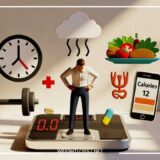
Having a Hard Time Losing Weight? You’re Not Alone!


Struggling to Lose Weight? Unlock Why & How to Succeed
It can feel incredibly frustrating, disheartening even, when you’re putting in the effort but the numbers on the scale just aren’t budging. You’ve cut down on certain foods, perhaps increased your activity, and yet, the desired results remain elusive. If this sounds familiar, take a deep breath. You are absolutely not alone in this struggle. Weight loss is rarely a linear journey, and it’s certainly not a one-size-fits-all equation. Our bodies are complex, influenced by a myriad of factors beyond just what we eat or how much we move.
This article isn’t about quick fixes or restrictive diets. Instead, we’ll explore some of the often-overlooked reasons why weight loss can be challenging, even when you feel like you’re doing everything “right.” We’ll delve into the nuances of calorie intake, the power of plant-based nutrition, the importance of consistent habits, and the surprising ways lifestyle factors can impact your progress. The goal here is to empower you with understanding, helping you to decode your body’s signals and find a sustainable path forward. Remember, this journey is about understanding your unique body and nurturing it, not about striving for perfection.
Common Reasons You’re Not Losing Weight
It’s easy to assume that weight loss is simply a matter of “calories in, calories out.” While that principle forms the foundation, the reality is far more intricate. Several common pitfalls can inadvertently sabotage your efforts.
One of the biggest culprits is underestimating calorie intake. We often unconsciously add extra dressings, sauces, or a handful of snacks throughout the day that can quickly add up. A tablespoon of olive oil, for instance, contains around 120 calories, and if you’re liberally using it in cooking or salads, those calories can accumulate without you even realizing.
This leads directly to the next point: overeating “healthy” foods. Foods like nuts, avocados, dried fruits, and even some plant-based smoothies are incredibly nutritious, but they are also calorie-dense. A small serving of almonds is healthy, but finishing a large bag in one sitting can easily put you over your calorie goals. Similarly, a smoothie packed with multiple fruits, nut butter, and plant-based milk can be a calorie bomb if not portioned carefully. The halo effect of “healthy” can sometimes lead us to believe we can eat unlimited amounts.
Ultimately, if you’re not seeing results, you might not be in a true calorie deficit. To lose weight, your body needs to be using more energy than it’s taking in. Even if you’re eating “well,” if your total calorie consumption matches or exceeds your daily energy expenditure, weight loss simply won’t occur. This is where tracking, even for a short period, can be incredibly insightful to identify where excess calories might be creeping in.
Inconsistent eating patterns can also throw a wrench in your plans. Skipping meals, especially breakfast, often leads to extreme hunger later in the day, which can result in overeating at subsequent meals or excessive snacking. This yo-yo pattern can confuse your metabolism and make it harder for your body to regulate hunger and fullness cues effectively.
Finally, emotional and stress eating play a significant role for many. When we’re stressed, anxious, bored, or sad, food can become a comfort mechanism. It’s not about physical hunger, but rather a way to cope with uncomfortable emotions. This often leads to consuming foods that are high in sugar and fat, which provide a temporary dopamine rush but ultimately contribute to weight gain and feelings of guilt. Recognizing these triggers is the first step toward finding healthier coping mechanisms.
The Role of Nutrient-Dense, Plant-Based Foods
When it comes to sustainable weight management, focusing on nutrient-dense, plant-based foods is a powerful strategy. These foods are your allies, packed with essential vitamins, minerals, and most importantly, fiber.
Fiber-rich foods like a wide variety of vegetables, legumes (beans, lentils, chickpeas), whole grains (oats, quinoa, brown rice, barley), and fruits are incredibly important. Fiber adds bulk to your meals, helping you feel fuller for longer periods, which naturally reduces overall calorie intake. It also slows down digestion, preventing rapid spikes in blood sugar that can lead to cravings and energy crashes.
A diet centered around plant-based foods naturally supports a healthy metabolism and promotes satiety. The high fiber and water content in these foods mean you can eat larger portions for fewer calories, making it easier to achieve a calorie deficit without feeling deprived. Think about it: you can eat a much larger volume of leafy greens and vegetables for the same number of calories as a small handful of processed snacks.
Making smart carb choices is also crucial. Opt for complex carbohydrates like quinoa, oats, brown rice, and sweet potatoes over refined carbohydrates such as white bread, sugary cereals, and pastries. Complex carbs provide sustained energy release, keeping your blood sugar stable and preventing those hunger pangs that drive you to unhealthy choices. They also come with a wealth of fiber and nutrients, unlike their refined counterparts which are often stripped of these beneficial components. By embracing the bounty of the plant kingdom, you’re not just cutting calories; you’re nourishing your body and optimizing its natural ability to manage weight.
Portion Control Without Obsessing
The phrase “portion control” can conjure images of strict measuring and deprivation, but it doesn’t have to be that way. The goal is not to obsess over every gram, but rather to develop a more mindful approach to eating.
One of the most effective strategies is learning to listen to your hunger and fullness cues. This is the essence of intuitive eating. Before you eat, ask yourself: Am I truly hungry, or am I eating out of boredom, stress, or habit? During your meal, eat slowly and pay attention to how your body feels. Stop when you feel comfortably satisfied, not uncomfortably full. It takes practice, but tuning into these internal signals can naturally guide you toward appropriate portion sizes.
For those who prefer a more structured approach without constant measuring, simple visual portion guidelines can be incredibly helpful. The “plate method” is a fantastic tool:
- Fill half of your plate with non-starchy vegetables (leafy greens, broccoli, bell peppers, carrots, etc.).
- A quarter of your plate can be dedicated to a protein source (legumes, tofu, tempeh, seitan, plant-based protein alternatives).
- The remaining quarter can be for a whole grain or starchy vegetable (quinoa, brown rice, sweet potato, corn).This method ensures you get a good balance of nutrients while naturally controlling portions.
Finally, be mindful of portion creep with healthy snacks. While nuts, seeds, and dried fruits are healthy, their calorie density means that a small increase in portion size can significantly impact your daily intake. Instead of eating directly from the bag, portion out a serving into a small bowl. This visual cue can help prevent unconscious overconsumption. The aim is to cultivate awareness and make informed choices, not to feel restricted.
Lifestyle Factors That Sabotage Weight Loss
Weight loss isn’t just about what’s on your plate; it’s also profoundly impacted by your overall lifestyle. Several non-food related factors can significantly hinder your progress, even if your diet is otherwise on point.
Sleep deprivation is a major saboteur. When you don’t get enough quality sleep, it throws your appetite-regulating hormones into disarray. Levels of ghrelin, the “hunger hormone,” increase, while leptin, the “satiety hormone,” decreases. This means you’ll likely feel hungrier, crave more calorie-dense foods, and have less willpower to resist them. Additionally, lack of sleep can lead to fatigue, making you less likely to exercise and more prone to reaching for sugary pick-me-ups.
Chronic stress is another silent weight loss killer. When you’re under constant stress, your body releases cortisol, often referred to as the “stress hormone.” Elevated cortisol levels can promote fat storage, particularly around the abdominal area. Stress can also lead to emotional eating, as mentioned earlier, creating a vicious cycle where stress leads to unhealthy eating, which then leads to more stress and difficulty losing weight. Finding healthy ways to manage stress, such as mindfulness, meditation, deep breathing, or spending time in nature, is crucial.
Lastly, lack of movement, even if you are actively exercising, can impede progress. This refers to Non-Exercise Activity Thermogenesis (NEAT) – the energy expended for everything we do that is not sleeping, eating, or sports-like exercise. If you sit for most of your day, even an hour at the gym might not be enough to counteract the metabolic slowdown from prolonged inactivity. Simple acts like taking the stairs instead of the elevator, parking further away, walking while on the phone, or standing up and stretching every hour can significantly increase your daily calorie expenditure and improve overall metabolic health. Your daily habits outside of structured workouts are just as important.
Importance of Consistent Physical Activity
While diet plays a primary role in weight loss, consistent physical activity is an invaluable partner, offering a multitude of benefits beyond just burning calories. The key is to find activities you genuinely enjoy and can stick with over the long term. If it feels like a chore, you’re less likely to maintain it. Whether it’s brisk walking in your neighborhood, invigorating yoga sessions, expressive dance classes, cycling, or hiking, choose something that brings you joy and makes you feel good.
Don’t underestimate the power of NEAT (Non-Exercise Activity Thermogenesis). As mentioned earlier, this refers to all the movement you do throughout your day that isn’t formal exercise. Think about fidgeting, standing while working, taking frequent short walks, doing household chores, or gardening. These seemingly small movements add up significantly over the course of a day and week, contributing to your overall calorie expenditure and metabolic health. Incorporating more NEAT into your daily routine can make a surprisingly big difference in your energy levels and weight management efforts.
Finally, don’t shy away from strength training, even if it’s just bodyweight exercises. Building and maintaining muscle mass is critical for a healthy metabolism. Muscle tissue burns more calories at rest than fat tissue, meaning the more muscle you have, the more efficiently your body burns calories throughout the day, even when you’re not exercising. Strength training can involve lifting weights, but it can also be incredibly effective with just your own bodyweight through exercises like squats, lunges, push-ups (even against a wall), planks, and glute bridges. Regular physical activity, in any form, boosts your mood, reduces stress, improves sleep, and complements your nutritional efforts beautifully.
Hidden Liquid Calories & Healthy Alternatives
When focusing on calorie intake, it’s easy to overlook what you’re drinking. Hidden liquid calories are a common culprit for stalled weight loss, as they often provide a significant calorie load without offering much satiety.
Be vigilant about sugary drinks like sodas, fruit juices (even 100% juice, which is concentrated sugar without the fiber of whole fruit), and sweetened iced teas. These provide a rapid influx of sugar, leading to blood sugar spikes and subsequent crashes that can trigger more cravings.
Fancy coffees can also be calorie bombs. While a plain coffee or espresso is low in calories, adding syrups, whipped cream, and sugary flavored milks can turn it into a dessert in a cup, often packing hundreds of calories. Similarly, some smoothies, though seemingly healthy, can be loaded with calories from multiple fruit servings, added sugars, nut butters, and full-fat plant milks. And of course, alcohol is notorious for its empty calories; a single glass of wine or beer can contain 100-200 calories, and those quickly add up if you have multiple drinks.
The good news is there are plenty of better hydration habits and healthy alternatives. The best choice is always water. It’s calorie-free, essential for all bodily functions, and helps you feel full. Keep a water bottle handy and sip throughout the day. If plain water feels boring, try adding slices of lemon, lime, cucumber, or berries for a natural flavor infusion. Herbal teas (unsweetened) are another excellent option, offering warmth and flavor without calories. You can enjoy them hot or iced. Opting for these simple, calorie-free beverages can make a surprisingly big difference in your overall calorie intake and weight loss journey.
The Role of Gut Health in Weight Loss
Our gut, often referred to as our “second brain,” plays a far more significant role in overall health, including weight management, than we once realized. The trillions of microorganisms living in our digestive tract, collectively known as the gut microbiome, influence everything from nutrient absorption to metabolism and even our mood.
A cornerstone of a healthy gut is fiber, which we extensively discussed in the context of plant-based foods. Fiber feeds good gut bacteria (probiotics). When these beneficial bacteria ferment fiber, they produce short-chain fatty acids (SCFAs), which have numerous positive effects, including reducing inflammation, improving insulin sensitivity, and potentially influencing appetite regulation. A diverse and thriving gut microbiome can lead to better metabolic function.
There’s a strong connection between digestion, inflammation, and fat storage. An imbalanced gut microbiome (dysbiosis) can contribute to chronic low-grade inflammation throughout the body. This inflammation can impair insulin signaling, making it harder for your body to use glucose effectively, and can also promote fat storage. Furthermore, certain gut bacteria may extract more calories from food, potentially contributing to weight gain.
To nurture your gut health, incorporate fermented plant-based foods into your diet. These foods are natural sources of beneficial probiotics. Examples include:
- Kimchi: A spicy Korean fermented cabbage dish.
- Sauerkraut: Fermented cabbage, popular in Eastern European cuisine.
- Tempeh: A fermented soybean product with a firm texture and nutty flavor, excellent as a protein source.
- Miso: A Japanese fermented soybean paste used in soups and dressings.
- Plant-based yogurts with live active cultures (ensure they are low in added sugars).
By prioritizing gut health through fiber-rich foods and fermented options, you’re not just supporting digestion; you’re fostering a beneficial internal environment that can positively impact your weight loss journey.
Setting Realistic Goals & Tracking Progress
The journey to sustainable weight loss is rarely a straight line, and it’s essential to approach it with patience and a focus on long-term well-being rather than just the number on the scale.
It’s crucial to understand why the scale isn’t the only indicator of progress. Your weight can fluctuate daily due to water retention, muscle gain (which is denser than fat), digestive contents, and hormonal shifts. Fixating solely on the scale can be demotivating and lead to unhealthy cycles. While it can be a useful tool, consider it just one piece of the puzzle.
Instead, expand your definition of progress by tracking energy levels, sleep, mood, and non-scale victories.
- Energy Levels: Are you feeling more energetic throughout the day? Do you have more stamina for activities?
- Sleep Quality: Are you sleeping more soundly and waking up feeling refreshed?
- Mood: Do you feel more positive, less stressed, and have improved mental clarity?
- Non-Scale Victories: These are incredibly important! Have your clothes started fitting better? Are you able to walk further or exercise with more ease? Are you choosing healthier foods more consistently? Have you improved your relationship with food? Are your cravings less frequent? These indicators often reflect true, sustainable progress even when the scale doesn’t budge.
When setting goals, make them SMART:
- Specific: Instead of “lose weight,” try “lose 5 pounds in the next month” or “walk 30 minutes, 5 times a week.”
- Measurable: You need a way to track your progress.
- Achievable: Set realistic goals that you can reasonably attain. Very aggressive goals can lead to burnout.
- Relevant: Ensure your goals align with your overall health and well-being objectives.
- Time-bound: Give yourself a deadline to create a sense of urgency and accountability.
SMART goal examples:
- “I will incorporate a new plant-based recipe into my meals twice a week for the next month.”
- “I will go for a brisk 20-minute walk after dinner, five days a week for the next two weeks.”
- “I will swap one sugary drink per day for water for the next month.”
Celebrate every victory, no matter how small. These consistent, positive changes build momentum and lead to lasting results.
When to Seek Professional Guidance
While much of your weight loss journey can be managed through self-awareness and lifestyle adjustments, there are times when seeking professional guidance is not just beneficial, but essential. Knowing when to talk to a dietitian or doctor can save you frustration and ensure you’re addressing any underlying health issues.
Consider professional help if you’re experiencing:
- Persistent fatigue: If despite making diet and lifestyle changes, you still feel constantly tired, it could be a sign of a nutritional deficiency or an underlying medical condition.
- Hormonal issues: Unexplained weight gain, difficulty losing weight despite significant effort, or changes in your menstrual cycle (for women) could indicate a hormonal imbalance, such as thyroid issues or Polycystic Ovary Syndrome (PCOS), which a doctor can diagnose and help manage.
- Unexplained weight gain: If you’re gaining weight without any apparent changes in your diet or activity level, it’s crucial to consult a doctor to rule out medical causes.
- Digestive problems: Chronic bloating, constipation, or other digestive distress can impact nutrient absorption and overall well-being, and a dietitian can help identify triggers and recommend appropriate dietary strategies.
- Disordered eating patterns: If you find yourself frequently engaging in emotional eating, binge eating, or have an unhealthy obsession with food and your body, a therapist or dietitian specializing in eating disorders can provide invaluable support.
- Lack of progress despite consistent effort: If you’ve diligently followed dietary and exercise recommendations for several months without seeing any significant changes, a dietitian can help review your approach, identify blind spots, and tailor a more effective plan.
A registered dietitian can provide personalized nutrition advice, help you identify areas for improvement, and create a sustainable eating plan that fits your lifestyle. A doctor can rule out or manage any underlying medical conditions that might be impacting your weight. Don’t hesitate to reach out for support; it’s a sign of strength, not weakness, to seek expert help when needed.
Final Thoughts
Embarking on a weight loss journey, and truly sustaining it, is a marathon, not a sprint. It’s an intricate dance between what we nourish our bodies with, how we move, how we manage stress, and how well we rest. If you’ve been having a hard time losing weight, please know that it’s a common experience, and there are many nuanced factors at play beyond simply “eating less and moving more.”
We’ve explored the subtle ways calories can sneak into our diets, the immense power of nutrient-dense, fiber-rich plant-based foods, and the importance of truly listening to our bodies through intuitive eating. We’ve also shone a light on the often-underestimated impact of lifestyle factors like sleep deprivation, chronic stress, and even small, everyday movements. Understanding the crucial role of gut health and being mindful of hidden liquid calories can further empower your efforts.
Remember, true progress isn’t solely measured by the number on the scale. Celebrate every non-scale victory – the improved energy, better sleep, clothes fitting more comfortably, and a healthier relationship with food. Set realistic, SMART goals, and be kind to yourself along the way. Patience and persistence are your greatest allies. This journey is deeply personal, and progress will unfold at its own pace. Keep learning, keep experimenting, and most importantly, keep nurturing your body and mind with compassion. You’ve got this.
What small, sustainable change are you ready to implement this week to support your weight loss journey?