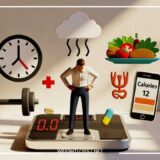
Fastest Way to Lose Weight Healthy


Fastest Way to Lose Weight Healthy | Effective Tips
Achieving a healthy weight is one of the most powerful steps an individual can take toward improving their overall quality of life. In a world saturated with quick-fix promises and fad diets, the pursuit of weight loss can feel overwhelming. Many people desire to see results quickly, but the true challenge lies in finding the fastest path that is also safe and sustainable. Losing weight in a healthy manner means targeting fat loss while preserving muscle mass, improving metabolic function, and developing lifelong habits—not just dropping pounds temporarily.
This comprehensive guide is designed for everyone, offering practical, effective, and universally applicable strategies to achieve significant weight loss in a healthy timeframe. We will explore the critical roles of nutrition, physical activity, lifestyle adjustments, and mindset, providing a robust, 2600-word blueprint for lasting success.
Understanding Weight Loss
Before embarking on any weight loss journey, it is essential to understand the fundamental science behind it. The core principle of weight loss, regardless of any specific diet or exercise regimen, remains the same: it is governed by an energy balance equation—calories in vs. calories out.
Every activity your body performs, from breathing and digestion to intense exercise, requires energy measured in calories. When you consistently consume fewer calories than your body uses, you create a caloric deficit. To make up the shortfall, your body must burn stored energy, primarily fat, resulting in weight loss.
However, the speed and health of weight loss are affected by several complex factors, including your metabolism, which is the rate your body burns calories; your activity level, which dictates how many calories you expend; and your lifestyle, encompassing sleep and stress.
While it is tempting to pursue rapid, drastic weight loss through near-starvation or extreme deprivation, this often leads to the loss of precious muscle and water, not just fat. Furthermore, it slows the metabolism, setting the stage for the weight to return quickly once normal eating resumes—a frustrating cycle known as “yo-yo dieting.”
The goal of healthy weight loss is to create a moderate, consistent caloric deficit that allows for the breakdown of stored fat while maintaining a healthy metabolic rate. A safe and sustainable rate of loss is typically 1 to 2 pounds per week for most individuals. This approach ensures the changes are integrated into your daily life, making them permanent and allowing your body to adapt without undue stress.
Balanced Nutrition for Healthy Weight Loss
Nutrition is arguably the single most important factor in achieving your weight loss goals. You cannot out-exercise a consistently poor diet. Healthy weight loss begins in the kitchen, focusing on mindful consumption and nutrient-dense food choices.
Portion Control: The Gentle Deficit
Many people can achieve a caloric deficit without drastically changing what they eat, simply by changing how much they eat. Portion control is a powerful, non-restrictive tool. Instead of banning entire food groups, focus on reducing portion sizes. A good starting point is to use smaller plates, bowls, and serving utensils. Pay attention to standard serving sizes on food labels, and practice the plate method: filling half your plate with non-starchy vegetables, a quarter with whole grains or starches, and the final quarter with a healthy protein source. This strategy ensures you still feel satisfied while naturally reducing your calorie intake. Learning to stop eating when you are satisfied—not uncomfortably full—is a foundational skill.
Whole Foods Focus
The cornerstone of a weight loss-supportive diet is a high intake of whole, minimally processed foods. These foods are nutrient-dense, meaning they offer a high amount of vitamins, minerals, and fiber for a relatively low calorie count.
-
Fruits and Vegetables: These should dominate your diet. They are naturally low in calories and packed with fiber and water, which contributes to satiety. Focus on variety to ensure a broad spectrum of nutrients.
-
Whole Grains: Opt for brown rice, quinoa, oats, and whole-wheat products over refined grains (like white bread and white pasta). Whole grains retain the bran and germ, offering substantial fiber that slows digestion, stabilizes blood sugar, and keeps you feeling full for longer.
-
Legumes, Nuts, and Seeds: These provide excellent sources of fiber, vitamins, and minerals. Legumes (like lentils and beans) are particularly high in satisfying fiber and are low in fat. Nuts and seeds, while calorie-dense, are packed with healthy fats and protein, and a small serving can be incredibly satiating.
Minimizing Processed Foods
To accelerate healthy weight loss, you must dramatically reduce the intake of processed foods. These items—including sugary drinks, many packaged snacks, and refined desserts—are typically high in calories, unhealthy fats, added sugars, and sodium, while being low in beneficial fiber and nutrients. They are designed to be “hyper-palatable,” making it easy to overeat them. By replacing these items with whole foods, you not only reduce your caloric intake but also improve your body’s ability to regulate hunger hormones.
Healthy Fats: Essential for Function
Fat has historically received a bad reputation, but it is an essential macronutrient necessary for hormone production, nutrient absorption, and long-lasting energy. The key is choosing the right types of fats in moderation. Focus on sources rich in monounsaturated and polyunsaturated fats:
-
Avocado and Olive Oil: Excellent sources of monounsaturated fats. Use olive oil for dressings and light cooking, and enjoy avocado in salads or on whole-grain toast.
-
Nuts and Seeds: Walnuts, almonds, chia seeds, and flaxseeds offer healthy fats along with fiber and protein. They make a great, satiating snack in controlled portions.
These healthy fats help slow down digestion, contributing significantly to feelings of fullness and preventing rapid spikes and crashes in blood sugar.
Hydration: The Weight Loss Catalyst
Water is often the most underrated element of a weight loss plan. Staying well-hydrated is crucial for optimal metabolism. Often, the body mistakes thirst for hunger. Drinking a large glass of water before a meal can help reduce appetite and manage portion size. Furthermore, water is necessary for the efficient functioning of every bodily process, including the burning of fat (lipolysis). Aim to drink water consistently throughout the day, making it your primary beverage choice over caloric, sugary drinks.
-
Example Balanced Meal/Snack: A large salad with mixed greens, colorful vegetables (peppers, cucumber, carrots), a scoop of lentils or beans, and a dressing made with olive oil and vinegar. This is high in volume, fiber, and nutrients, yet relatively low in calories, making it universally accessible and satiating.
Exercise and Physical Activity
While nutrition creates the caloric deficit, physical activity accelerates fat loss, preserves crucial muscle mass, and offers immense cardiovascular and mental health benefits. To lose weight quickly and healthily, you need a balanced approach incorporating cardiovascular exercise and strength training.
Cardio Exercises: Burning Calories and Boosting Heart Health
Cardiovascular (aerobic) exercise is essential for calorie expenditure and improving heart and lung health. The more intense the cardio, the more calories you burn per minute. The most effective cardio is the one you will do consistently.
-
Walking: The most accessible and sustainable form of cardio. A brisk, 30-to-60-minute walk daily is an excellent foundation for any fitness plan, especially for beginners.
-
Jogging/Running: A high-impact, high-calorie-burn activity for those with the appropriate fitness level.
-
Cycling and Swimming: Excellent low-impact options that are easier on the joints, ideal for people with joint issues or a high starting weight.
Aim for at least 150 minutes of moderate-intensity cardio or 75 minutes of vigorous-intensity cardio per week, distributed across several days.
Strength Training: The Metabolic Engine
Many people focus solely on cardio for weight loss, missing the profound benefit of strength training. Muscle is metabolically active, meaning it burns more calories at rest than fat does. By building or even just maintaining muscle mass while in a caloric deficit, you ensure that your metabolism does not slow down as you lose weight.
-
Benefits: Strength training helps you look more toned, improves bone density, and, critically, increases your Basal Metabolic Rate (BMR), making your body more efficient at burning calories even when you are not exercising.
-
Methods: This can be done with weights (dumbbells, barbells), resistance bands, or through bodyweight exercises (squats, lunges, push-ups). Aim for 2-3 sessions per week, focusing on major muscle groups.
Flexibility and Recovery
Don’t overlook the importance of recovery. Incorporating flexibility and mobility exercises such as stretching or yoga is vital for preventing injury, improving range of motion, and reducing muscle soreness. Adequate recovery allows you to train consistently, which is the key to accelerated, healthy results.
Daily Activity Boosters: Non-Exercise Activity Thermogenesis (NEAT)
For busy individuals, finding time for a formal workout can be challenging. This is where NEAT comes in. NEAT is the energy expended for everything that is not sleeping, eating, or sports-like exercise. Small, cumulative movements throughout the day can significantly increase your total daily calorie burn.
-
Take the Stairs: Avoid elevators and escalators whenever possible.
-
Walking Breaks: Take short 5-minute walking breaks every hour during work.
-
Active Hobbies: Engage in hobbies that require movement, such as gardening, dancing, or playing with children.
-
Tip for Beginners: Start with 30 minutes of brisk walking five days a week and two 20-minute bodyweight strength sessions. Consistency is more important than intensity in the beginning.
Lifestyle Habits That Support Weight Loss
Weight loss is not solely about diet and exercise; it is profoundly influenced by your overall lifestyle and environment. Addressing these hidden factors can break through plateaus and significantly accelerate your healthy progress.
Sleep Quality: The Unsung Hero
The link between poor sleep and weight gain is well-established. When you are sleep-deprived (less than 7-9 hours), two key hunger hormones are thrown out of balance:
-
Ghrelin (the “hunger” hormone) increases.
-
Leptin (the “satiety” hormone) decreases.
This hormonal shift leaves you feeling excessively hungry, particularly for high-calorie, sugary foods, and makes it harder to resist cravings. Prioritize creating a consistent sleep schedule and a dark, cool sleep environment.
Stress Management: Taming the Weight Hormone
Chronic, unmanaged stress triggers the release of the hormone cortisol. While necessary in short bursts, high levels of cortisol over time can promote the storage of abdominal fat and increase appetite. Finding effective ways to manage stress is not a luxury—it is a weight loss necessity.
-
Practices: Implement daily stress-reduction techniques such as deep breathing exercises, short periods of quiet meditation, spending time outdoors, or journaling to process emotions.
Consistent Routine: The Power of Habit
The human body thrives on routine. Establishing a consistent schedule for meals and exercise helps regulate hunger hormones and metabolic function. Eating meals around the same time each day helps prevent drastic blood sugar swings and better manages hunger. Similarly, scheduling exercise makes it a non-negotiable habit rather than a sporadic event.
Tracking Progress: Accountability and Insight
What gets measured gets managed. Tracking your progress provides essential feedback and accountability. This doesn’t necessarily mean obsessive calorie counting, but it can include:
-
Food Logging: Briefly logging your food for a few weeks provides insight into where hidden calories (e.g., beverages, large portions) might be sabotaging your efforts.
-
Step Counting: Using a pedometer or smartphone app to ensure you meet a daily activity goal.
-
Weight Trends: Weighing yourself once a week, or logging a daily trend, to observe the overall pattern rather than daily fluctuations.
Tracking helps you identify successful strategies and quickly pivot away from ineffective ones.
Healthy Strategies to Accelerate Weight Loss
Beyond the foundational principles, several advanced, healthy strategies can be safely integrated to accelerate fat loss.
Intermittent Fasting (IF)
Intermittent Fasting is an eating pattern that cycles between periods of eating and voluntary fasting. It is not a diet that dictates what you eat, but when you eat. A popular method is the 16/8 approach, where you eat all your meals within an 8-hour window and fast for the remaining 16 hours.
-
How it Works: By shortening the eating window, you naturally restrict your caloric intake without feeling overly deprived. More importantly, it gives your body extended periods where insulin levels are low, allowing the body to more readily access and burn stored fat for energy.
-
Safety Note: This strategy is not suitable for everyone, particularly those with certain medical conditions, and should be implemented carefully and discontinued if it causes discomfort or poor performance.
High-Volume, Low-Calorie Foods
A highly effective way to manage hunger while maintaining a caloric deficit is to prioritize high-volume, low-calorie foods. These foods have a high water and fiber content, allowing you to fill your stomach with fewer calories.
-
Examples: Large salads, vegetable-based soups (especially broth-based ones), and raw or lightly steamed vegetables.
-
Strategy: Start your main meals with a bowl of broth-based soup or a large salad. This takes the edge off your hunger, ensuring you eat less of the more calorie-dense parts of the meal.
Mindful Eating
Mindful eating is the practice of paying full attention to your food—what you are eating, why you are eating, and the sensory experience of the meal. This is a crucial strategy for overcoming mindless overeating.
-
Avoid Distractions: Turn off the television, put away your phone, and focus on the meal.
-
Eat Slowly: It takes about 20 minutes for your stomach to signal to your brain that it is full. Eating slowly and putting your fork down between bites gives your body time to register satiety, preventing you from consuming excess calories.
-
Listen to Hunger Cues: Learn to distinguish between true physical hunger and emotional hunger (boredom, stress). Eat when you are hungry, and stop when you are satisfied.
Reducing Added Sugars and Refined Carbs
This is perhaps the single biggest nutritional change that can accelerate weight loss. Added sugars (found in soda, juices, pastries, and many packaged goods) provide empty calories—calories with virtually no nutritional value—and cause rapid, disruptive spikes in blood sugar. Similarly, excessive refined carbohydrates (white flour products) behave much like sugar once consumed.
-
Simple Swaps: Replace sugary drinks with water, seltzer, or unsweetened tea. Swap white rice and pasta for whole grains like brown rice or quinoa. Choose a piece of fruit over a processed sweet snack. This reduction not only cuts calories but improves insulin sensitivity, making fat burning easier.
Avoiding Common Mistakes
The road to healthy weight loss is often littered with well-intentioned but counterproductive mistakes. Avoiding these pitfalls can save you time, frustration, and ensure your progress is healthy and lasting.
Relying on “Quick Fixes”
Be wary of anything that promises dramatic, effortless results. Extreme cleanses, detox teas, or miracle supplements are rarely sustainable and can often be detrimental to your metabolism and health. They do not teach you the fundamental habits required for long-term weight management. True healthy weight loss is a commitment to consistent, positive habits, not a one-time event.
Skipping Meals or Under-Eating
Creating a deficit is necessary, but severely restricting calories or skipping meals is counterproductive. Extreme under-eating signals to your body that it is starving. In response, your metabolism slows down to conserve energy, and your body preferentially holds onto fat stores. Furthermore, it often leads to intense cravings and binge-eating episodes, completely derailing your progress. The goal is to eat sufficiently from nutrient-dense, whole foods, not to eat as little as possible.
Overemphasizing Scale Weight
While the number on the scale is a useful data point, overemphasizing scale weight can be misleading and demoralizing. Your weight naturally fluctuates daily due to water retention, time of day, and food consumed. Furthermore, as you begin strength training, you may gain muscle mass, which is denser than fat. This can lead to a deceptive stagnation or even rise in the scale weight, even while your body is shrinking. Focus instead on other health markers:
-
How your clothes fit
-
Improved energy levels and sleep quality
-
Increased strength and endurance
-
Positive changes in body measurements
Motivation and Mindset
The success of any long-term weight loss journey hinges on your mental fortitude and mindset. The physical changes are the result of sustained mental and emotional commitment.
Celebrate Small Wins
The journey can feel long, so it is crucial to stay motivated by recognizing and celebrating small wins. Did you consistently meet your step goal this week? Did you choose a healthy lunch instead of takeout? Did you finish your water intake goal? Acknowledge these victories. They reinforce the positive habits and build the momentum needed for larger successes.
Focus on Health Improvements
Shift your primary focus from a purely aesthetic goal to holistic health improvements. The true reward of healthy weight loss is the increased energy, better mood, improved blood pressure, greater physical endurance, and a better night’s sleep. When your motivation wanes, reminding yourself of the significant health benefits—the ability to keep up with children, hike without fatigue, or simply feel better day-to-day—is a far more powerful motivator than a number on the scale.
Stay Consistent and Patient
The key to the fastest healthy weight loss is not intensity; it is consistency. Showing up every day, making the healthy choice, and sticking to your routines, even when results seem slow, is what drives ultimate success. There will be setbacks; a poor meal or a missed workout does not define your journey. Simply get back on track with the very next meal or exercise opportunity. Be patient with your body. Healthy weight loss takes time, but it is the only path that is truly sustainable.
Final Thoughts
Achieving healthy, accelerated weight loss is entirely achievable for everyone when approached with the right strategy. It is not about a single magic bullet but about the synergistic effect of four core pillars: balanced nutrition, consistent movement, supportive lifestyle habits, and a resilient mindset.
-
Prioritize whole, nutrient-dense foods and mastery of portion control.
-
Embrace both cardio for calorie burn and strength training for metabolic health.
-
Ensure adequate sleep, effective stress management, and consistent routines.
Begin today by choosing one small, manageable change from each category—perhaps drinking more water, committing to a daily walk, and setting an earlier bedtime. Build your personalized plan step-by-step. Reassure yourself that sustainable progress is more valuable than temporary results. With commitment and patience, the healthy, energetic life you desire is within your reach.