Diets That Help You Lose Weight

Diets That Help You Lose Weight: A Plant-Powered Approach to Sustainable Health
In a world brimming with quick-fix solutions and often conflicting advice, navigating the landscape of weight loss can feel like a daunting task. While the internet is awash with diet trends promising rapid results, true and sustainable weight loss hinges not on deprivation, but on embracing a balanced, nutrient-rich approach that nourishes your body from within. This article delves into effective dietary strategies that promote healthy weight loss, focusing exclusively on plant-based, natural, and whole food options. We will explore how specific dietary patterns can contribute to a healthier weight, emphasizing the power of fruits, vegetables, grains, legumes, nuts, and seeds to transform your well-being without relying on any meat or egg products.
What Makes a Diet Effective for Weight Loss?
At its core, weight loss boils down to a fundamental principle: consuming fewer calories than your body expends. This concept, known as a calorie deficit, is non-negotiable. However, not all calories are created equal. An effective weight loss diet prioritizes nutrient density – packing the most vitamins, minerals, and beneficial compounds into each calorie. This ensures your body receives essential nourishment even while consuming less.
Crucially, an effective diet promotes satiety, the feeling of fullness and satisfaction that prevents overeating. Foods rich in fiber and water content, common in plant-based eating, excel at this. Portion control naturally follows when you feel satisfied, reducing the urge to graze unnecessarily. Furthermore, avoiding ultra-processed foods, which are often high in refined sugars, unhealthy fats, and artificial ingredients, is paramount. These foods typically offer little nutritional value and are designed to be hyper-palatable, encouraging overconsumption. Ultimately, the most effective diet is one that you can sustain long-term, integrating seamlessly into your lifestyle rather than feeling like a temporary restriction.
Popular Diets That Help You Lose Weight (Vegetarian & Plant-Based Focus)
a. Whole Food Plant-Based Diet
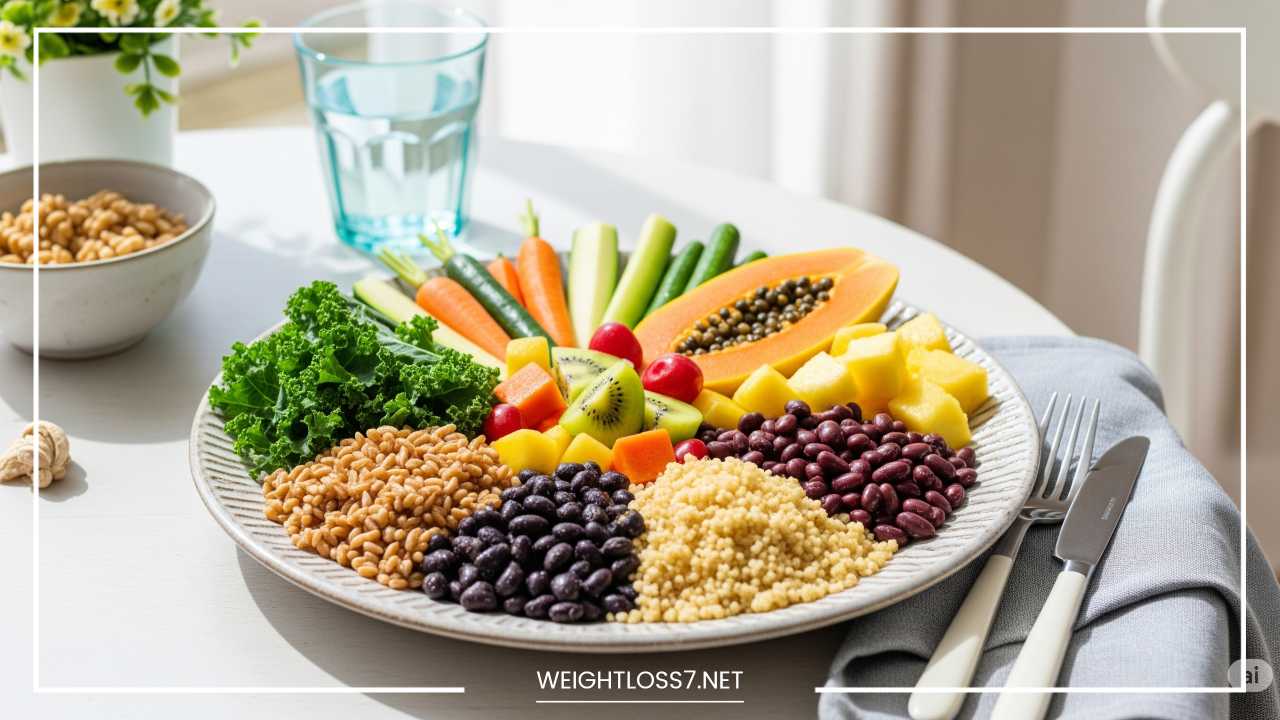
The Whole Food Plant-Based (WFPB) diet is not merely about excluding animal products; it’s about actively embracing the incredible bounty of nature. This approach focuses on unprocessed or minimally processed fruits, vegetables, whole grains (like brown rice, quinoa, and oats), legumes (beans, lentils, chickpeas), nuts, and seeds. It deliberately steers clear of refined sugars, oils, and highly processed foods, even if they are technically plant-based.
The benefits of a WFPB diet for weight loss are profound. It is inherently high in fiber, which adds bulk to meals, promoting satiety and aiding digestion. The calorie density of most plant foods is significantly lower than that of animal products or processed foods, meaning you can eat larger volumes of food for fewer calories. This “volume eating” strategy helps you feel full and satisfied without overconsuming calories. For instance, a large plate of roasted vegetables and quinoa can be far more filling and nutrient-dense than a small portion of a calorie-dense, processed meal. This diet also naturally limits unhealthy saturated and trans fats, contributing to overall health alongside weight management.
Sample Meal Ideas:
- Breakfast: Oatmeal with berries, chia seeds, and a sprinkle of nuts.
- Lunch: Large salad with mixed greens, chickpeas, cucumber, bell peppers, and a lemon-tahini dressing.
- Dinner: Lentil soup with whole-wheat bread, or a vegetable stir-fry with brown rice and tofu.
- Snacks: Apple slices with a tablespoon of peanut butter, a handful of almonds, or a banana.
b. Mediterranean Diet (Plant-Based Version)
The traditional Mediterranean diet, celebrated for its heart-healthy benefits, can be easily adapted into a powerful plant-based weight loss strategy. While the original version includes fish and some dairy, a plant-based Mediterranean diet emphasizes whole grains, an abundance of fresh fruits and vegetables, legumes, nuts, seeds, and extra virgin olive oil as the primary fat source. The key is to skip the fish and any dairy or animal products, focusing instead on the vibrant plant components.
This dietary pattern promotes weight loss through its emphasis on fiber-rich, unrefined foods that are naturally satiating. The healthy fats from olive oil, nuts, and seeds contribute to fullness and nutrient absorption without promoting unhealthy weight gain when consumed in moderation. The focus on plant proteins from legumes also helps maintain muscle mass during weight loss. Its sustainable nature makes it an excellent choice for long-term adherence, fostering healthy eating habits that extend far beyond a typical “diet.
Sample Meals (Plant-Based Mediterranean):
- Breakfast: Whole-grain toast with mashed avocado and tomato, or Greek yogurt (plant-based) with berries and nuts.
- Lunch: Large chickpea salad with olives, cucumbers, bell peppers, and a light vinaigrette.
- Dinner: Lentil soup with whole-wheat pita bread, or pasta primavera with plenty of fresh vegetables and olive oil.
- Snacks: A handful of olives, a piece of fruit, or a small portion of hummus with vegetable sticks.
c. Low-Carb Vegetarian Diet
A low-carb vegetarian diet involves reducing the intake of starchy carbohydrates and refined sugars, replacing them with protein-rich plant foods and healthy fats. This means minimizing foods like white bread, pasta, rice, and sugary drinks, and instead focusing on non-starchy vegetables, legumes, tofu, tempeh, nuts, and seeds. While typically associated with animal products, a thoughtfully constructed vegetarian low-carb plan can be highly effective.
The primary benefit of a low-carb approach for weight loss stems from its impact on insulin. By reducing carbohydrate intake, you can lower insulin spikes, which can help your body burn stored fat more efficiently and control appetite. Higher protein and fat intake from plant sources also contributes to increased satiety, making it easier to stick to reduced calorie goals. However, it’s crucial to ensure adequate fiber intake from non-starchy vegetables and choose healthy plant fats. A common risk is overlooking essential nutrients if carbohydrate sources are too severely restricted without proper replacement. It’s vital to focus on nutrient-dense plant foods and not just eliminate carbs without consideration for overall nutrition.
Risks/Considerations: Ensure you’re getting enough fiber from non-starchy vegetables. Monitor energy levels and adjust carbohydrate intake as needed. Supplementing with B12 is often recommended for vegetarians.
d. Intermittent Fasting with Plant-Based Foods
Intermittent Fasting (IF) is not a diet in the traditional sense, but rather an eating pattern that cycles between periods of eating and voluntary fasting. Popular methods include the 16:8 approach (fasting for 16 hours and eating within an 8-hour window) or the 5:2 approach (eating normally for five days and significantly restricting calories on two non-consecutive days). When combined with a plant-based diet, IF can be a powerful tool for weight management and metabolic health.
The mechanism behind IF’s weight loss benefits lies in its potential to reduce overall calorie intake and improve insulin sensitivity. By limiting the eating window, people often naturally consume fewer calories without consciously restricting their food choices within that window. When combined with plant-based foods, which are inherently rich in fiber and nutrients, this approach can further enhance satiety and provide sustained energy. Structuring your plant-based meals during the eating window is key. Focus on balanced meals rich in whole grains, legumes, vegetables, and healthy fats to ensure you meet your nutritional needs. Breaking the fast with a nutrient-dense meal and ensuring sufficient protein and fiber in subsequent meals can prevent overeating and promote sustained energy.
Key Weight Loss Foods to Include
Incorporating specific foods into your plant-based diet can significantly boost your weight loss efforts:
- High-Fiber Foods: Oats, legumes (lentils, black beans, chickpeas), berries, apples, and leafy greens are excellent sources of fiber. Fiber adds bulk, promotes satiety, and aids digestive health.
- Protein-Rich Plant Foods: Lentils, tofu, tempeh, quinoa, edamame, and various nuts and seeds provide essential amino acids, help maintain muscle mass during weight loss, and contribute to satiety.
- Healthy Fats: Avocado, chia seeds, flaxseeds, and olive oil offer healthy monounsaturated and polyunsaturated fats. These fats are crucial for nutrient absorption, hormone production, and contribute to feelings of fullness. While healthy, they are calorie-dense, so moderation is key.
- Hydrating Vegetables: Cucumber, spinach, zucchini, celery, and bell peppers are low in calories and high in water content. They add volume to your meals, keeping you hydrated and full without contributing significant calories.
Foods and Habits to Avoid or Limit
While focusing on what to include is important, understanding what to limit or avoid is equally crucial for weight loss:
- Refined Sugar and White Carbs: Sugary drinks, candies, pastries, white bread, and white rice offer minimal nutritional value and cause rapid blood sugar spikes, often leading to energy crashes and increased cravings.
- Processed Snacks and Fried Foods: Chips, cookies, packaged meals, and deep-fried items are typically high in unhealthy fats, sodium, and empty calories, contributing to weight gain and inflammation.
- Overeating “Healthy” Foods: While nuts, seeds, and avocados are nutritious, they are calorie-dense. Even healthy foods can lead to weight gain if consumed in excessive portions. Mindful eating and portion control are essential.
- Skipping Meals and Binge-Eating: Skipping meals often leads to extreme hunger, making you more likely to overeat or make unhealthy food choices later. Regular, balanced meals are crucial for appetite regulation.
Practical Tips for Sticking to a Weight Loss Diet
Sustaining a weight loss diet requires more than just knowing what to eat; it demands practical strategies:
- Meal Prep and Planning: Dedicate time each week to plan your meals and prepare ingredients in advance. This ensures you have healthy options readily available, reducing the temptation to opt for less healthy, convenient choices.
- Mindful Eating: Pay attention to your body’s hunger and fullness cues. Eat slowly, savor each bite, and avoid distractions like screens. This practice helps you recognize when you’re truly satisfied and prevents overeating.
- Tracking Food and Progress (Without Obsession): Keeping a food journal or using an app can provide valuable insights into your eating habits and calorie intake. However, the goal is awareness, not obsession. Focus on patterns and make adjustments as needed.
- Hydration and Sleep’s Role in Weight Loss: Adequate water intake is crucial for metabolism and can help you feel full. Prioritize 7-9 hours of quality sleep each night. Poor sleep can disrupt hormones that regulate appetite, leading to increased cravings and weight gain.
Sample 3-Day Plant-Based Weight Loss Meal Plan
This sample plan is designed to be calorie-conscious, high in fiber and nutrients, and focuses on balance and taste. Adjust portion sizes based on your individual caloric needs.
Day 1
- Breakfast (Approx. 300 calories): Overnight Oats: 1/2 cup rolled oats, 1 cup unsweetened plant milk (almond/soy), 1/4 cup mixed berries, 1 tbsp chia seeds.
- Lunch (Approx. 400 calories): Large Lentil & Vegetable Soup: 1.5 cups hearty lentil soup with carrots, celery, spinach, and a side of 1 slice whole-wheat bread.
- Dinner (Approx. 450 calories): Tofu & Broccoli Stir-fry: 4 oz firm tofu (pressed and cubed), 2 cups broccoli florets, 1/2 cup sliced bell peppers, 1/4 cup snow peas, stir-fried with low-sodium soy sauce/tamari and ginger. Served with 1 cup brown rice.
- Snacks (Approx. 150 calories): 1 apple and a small handful (10-12) almonds.
Day 2
- Breakfast (Approx. 350 calories): Green Smoothie: 1 cup spinach, 1/2 banana, 1/2 cup mixed berries, 1 scoop plant-based protein powder, 1 cup unsweetened plant milk.
- Lunch (Approx. 400 calories): Chickpea Salad Sandwich: 1/2 cup mashed chickpeas mixed with celery, red onion, a dollop of vegan mayo, and spices, served on 2 slices of whole-grain bread with lettuce and tomato. Side of carrot sticks.
- Dinner (Approx. 500 calories): Quinoa Bowl with Roasted Veggies & Black Beans: 1 cup cooked quinoa, 1 cup mixed roasted vegetables (zucchini, bell peppers, onions), 1/2 cup black beans, topped with a squeeze of lime juice and fresh cilantro.
- Snacks (Approx. 100 calories): 1/2 cup edamame (steamed).
Day 3
- Breakfast (Approx. 320 calories): Whole-Wheat Pancakes: 2 small whole-wheat pancakes with 1/2 cup fresh berries and a drizzle of sugar-free maple syrup.
- Lunch (Approx. 420 calories): Large Mixed Green Salad: Large bowl of mixed greens with 1 cup chopped cucumber, tomatoes, bell peppers, 1/2 cup cooked lentils, 1/4 cup pumpkin seeds, and a light vinaigrette.
- Dinner (Approx. 480 calories): Sweet Potato and Kale Curry: 1 medium sweet potato (cubed), 2 cups kale, 1/2 can (light) coconut milk, 1/4 cup red lentils, curry paste/spices. Served with a small side of cauliflower rice.
- Snacks (Approx. 130 calories): 1/2 avocado (sliced).
Final Thoughts
Embarking on a weight loss journey is a personal endeavor that benefits immensely from a thoughtful and sustainable approach. As we’ve explored, focusing on nutrient-dense, whole plant-based foods can be incredibly effective for achieving and maintaining a healthy weight. The principles of a calorie deficit, nutrient density, and satiety are paramount, and they are naturally supported by diets rich in fruits, vegetables, grains, and legumes.
Remember, consistency is far more important than perfection. Small, consistent changes over time lead to significant results. Personalization is also key; what works for one person may not work for another. Listen to your body, adjust as needed, and most importantly, seek balance over restriction. Embrace this plant-powered path not just as a diet, but as a journey towards improved health, vitality, and a renewed relationship with food.