
Dieting but Not Losing Weight?

Dieting but Not Losing Weight? 5 Mistakes You’re Likely Making
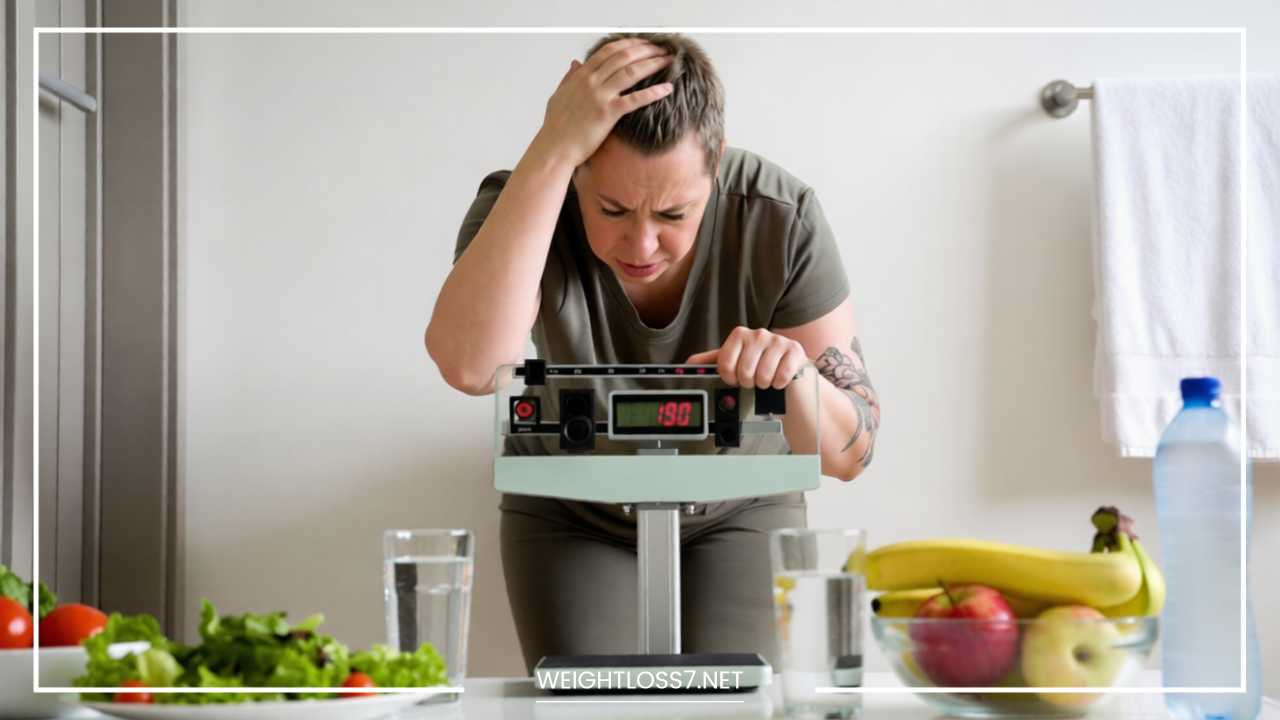
The journey toward weight loss is often depicted as a simple mathematical equation: burn more than you consume. However, for many people, the reality is far more complex and significantly more frustrating. You might spend weeks meticulously choosing salads over sandwiches, skipping dessert, and waking up early to hit the gym, only to step on the scale and find that the needle hasn’t moved an inch. This experience can be demoralizing, leading many to believe that their metabolism is broken or that they are simply not destined to reach their goals.
The truth is that weight loss is rarely a linear process, and the human body is an expert at adaptation. While your intentions may be focused on health and reduction, several subtle, often invisible habits can stall your progress. These “dieting traps” are common to everyone, regardless of their specific dietary preferences or fitness levels. Most of the time, the lack of results isn’t due to a lack of willpower, but rather a lack of awareness regarding how certain behaviors impact the body’s energy balance.
In this article, we will explore five of the most common mistakes that hinder weight loss in exhaustive detail. By understanding these pitfalls—ranging from the sneakiness of hidden calories to the physiological impact of stress and sleep—you can troubleshoot your current routine. The goal is to move away from the frustration of “working hard” and move toward the efficiency of “working smart.” With a few practical adjustments and a shift in perspective, you can break through your plateau and finally see the results your hard work deserves.
Mistake 1: Ignoring Hidden Calories
One of the most frequent reasons for a weight loss plateau is the presence of hidden calories. Many people believe they are maintaining a significant calorie deficit because their main meals consist of healthy, whole foods. However, the “main event” on your plate is often not the culprit; rather, it is the cumulative effect of the small additions that we fail to account for. These calories are “hidden” not because they are invisible, but because we often consume them mindlessly or underestimate their caloric density.
The Culprits: Liquids, Sauces, and Condiments
The most common source of hidden calories is liquid intake. High-end coffee drinks, bottled fruit juices, sweetened teas, and even “healthy” smoothies can contain as many calories as a full meal, yet they do not trigger the same satiety signals in the brain. Because you aren’t chewing, your body doesn’t register these calories as significant fuel, leading you to eat a full meal shortly after.
Furthermore, condiments and sauces are incredibly calorie-dense. A tablespoon of mayonnaise, a heavy pour of salad dressing, or a dollop of creamy sauce can add 100 to 200 calories to an otherwise lean meal. Consider the humble salad: while the greens, cucumbers, and tomatoes may total only 50 calories, three tablespoons of a standard ranch or Caesar dressing can push that total over 300. If you do this three times a day, you have effectively wiped out your caloric deficit without ever feeling like you “cheated” on your diet.
The Danger of Mindless Eating
Mindless eating is another significant contributor to caloric creep. This happens when we eat while distracted by the television, a smartphone, or while working at a desk. When the brain is focused on a screen, it misses the “fullness” signals sent by the stomach, often leading to overconsumption.
Furthermore, the “Lick, Taste, and Snack” (LTS) habit—sampling food while cooking, finishing a family member’s leftovers, or grabbing a handful of nuts while walking through the kitchen—can easily add up to several hundred unrecorded calories by the end of the day. A single ounce of almonds contains about 160 calories; two “mindless” handfuls a day can equate to a full pound of weight gain over the course of a month if they aren’t accounted for in the daily total.
Solution Strategies: Accuracy and Awareness
To combat hidden calories, the first step is keeping a food journal for at least one week. This isn’t necessarily a lifelong commitment, but a short-term diagnostic tool. Write down every single thing that passes your lips, including the splash of cream in your coffee and the sample at the grocery store. This creates a level of radical honesty that is necessary for troubleshooting a stall.
Secondly, become an expert at reading nutrition labels. Pay close attention to the serving size; many packages that appear to be a single serving actually contain two or three. If a bag of chips says it has 150 calories but contains 3 servings, eating the whole bag results in a 450-calorie intake.
Finally, use measuring tools. Humans are notoriously bad at “eyeballing” portions. We tend to underestimate the size of our portions by 20% to 50%. Using measuring cups and spoons for oils, dressings, and grains for just two weeks can recalibrate your internal sense of what a true serving size looks like. By tightening up these small leaks, you can ensure that your hard work isn’t being undone by a few tablespoons of olive oil or an unrecorded mid-afternoon snack.
Mistake 2: Overestimating Activity
There is a common psychological phenomenon in the fitness world: the more we sweat, the more we feel we have earned a reward. This leads to the second major mistake—overestimating how many calories we burn during exercise and, consequently, overeating to “compensate” for that activity.
The Myth of the High-Calorie Burn
Modern technology, including smartwatches and gym equipment, often provides an estimate of “calories burned” that is significantly higher than the physiological reality. A vigorous 30-minute workout might feel like it burned 500 calories, but for the average person, it may have only burned 200 to 300.
If that person then rewards themselves with a “recovery” smoothie or an extra portion at dinner, they have likely consumed more calories than they burned during the session. This creates a “break-even” scenario where, despite exercising daily, the individual remains in a caloric maintenance phase rather than a deficit. It is far easier to consume 300 calories in two minutes (a single muffin or a sugary coffee) than it is to burn 300 calories in thirty minutes of high-intensity movement.
The Pitfall of Exercise Compensation
Furthermore, the body has a way of protecting its energy stores. After a very intense workout, many people experience a subconscious drop in “NEAT” (Non-Exercise Activity Thermogenesis). This means that because you are tired from the gym, you might sit more for the rest of the day, avoid taking the stairs, or skip evening chores. This decrease in spontaneous movement can almost entirely offset the calories burned during the actual workout.
There is also the “Halo Effect” of exercise. When we work out, we tend to view ourselves as “healthy” for the rest of the day, which can lead to looser boundaries with food. We might think, “I went for a run this morning, so I can have this extra piece of bread.” Over time, these small justifications accumulate, stalling progress entirely.
Solution Strategies: Consistent Movement
Instead of viewing exercise as a way to “earn” food, try to decouple the two in your mind. Focus on consistent movement throughout the day rather than one hour of intensity followed by 23 hours of sitting. A daily goal of 8,000 to 10,000 steps is often more effective for long-term weight management than three intense gym sessions a week because it keeps the metabolic rate steady and avoids the exhaustion that leads to post-workout binging.
When tracking activity, use apps or devices as a general guide rather than an absolute truth. A good rule of thumb is to assume you burned about half of what the machine claims. Avoid the “reward eating” trap by planning your post-workout meals in advance. If your meal is already decided and prepped, you are less likely to let post-exercise hunger dictate a high-calorie choice. Exercise should be celebrated for its benefits to heart health, mood, and muscle tone, while weight loss should be managed primarily through nutritional awareness and total daily movement.
Mistake 3: Inconsistent Eating Patterns
The rhythm of your eating can be just as important as the content of your meals. Many people fall into the trap of inconsistent eating patterns—often skipping meals in an attempt to “save” calories, only to have the strategy backfire later in the day.
The Cycle of Skipping and Binging
A classic example is the individual who skips breakfast and has a very light lunch, thinking they are being disciplined. However, by 4:00 PM, their blood sugar has dropped, and their hunger hormones are screaming. This almost inevitably leads to overeating in the evening, often on calorie-dense, highly processed snacks that are easy to grab.
In this scenario, the person often consumes more calories in a three-hour window than they would have if they had eaten balanced meals throughout the day. This “back-loading” of calories is particularly problematic because it often occurs when activity levels are at their lowest (sitting on the couch at night), making the body more likely to store that excess energy rather than use it.
Metabolism and Hunger Cues
Irregular meal times can also confuse the body’s internal clock, or circadian rhythm. When the body doesn’t know when the next fuel source is coming, it can lead to fluctuations in energy and increased cravings. Moreover, inconsistent eating makes it difficult to distinguish between true physiological hunger and emotional or habitual hunger. If you are always “starving” by the time you sit down to eat, you are much more likely to eat quickly, surpassing your fullness cues before your brain has time to register that you are satisfied.
Solution Strategies: Sustainability Over Deprivation
The key to breaking this cycle is to create a sustainable meal schedule that works for your lifestyle. This does not mean you must eat six small meals a day, but it does mean you should avoid long periods of deprivation that lead to a loss of control. Aim for regular intervals that keep your energy levels stable.
Focus on including nutrient-dense foods at every meal. These are foods high in fiber and volume—such as vegetables, legumes, and whole grains—which help you feel full and satisfied for longer. Pay close attention to your hunger and fullness signals. Before eating, ask yourself on a scale of 1 to 10 how hungry you actually are. Try to eat when you are at a 3 or 4 (hungry but not ravenous) and stop when you are at a 7 (satisfied but not stuffed). By maintaining a consistent intake, you remove the biological pressure that often leads to accidental overconsumption. Consistency breeds a sense of safety in the body, which can help regulate metabolic function over time.
Mistake 4: Overlooking Sleep and Stress
We often think of weight loss as a purely physical challenge involving the stomach and the muscles. In reality, weight loss is a complex hormonal process governed by the brain. Two of the most powerful influences on these hormones are sleep and stress. If these are out of balance, your body may stubbornly hold onto weight regardless of your caloric intake.
The Hormonal Impact of Sleep Deprivation
When you don’t get enough sleep, your body undergoes a shift in hunger hormones. Levels of ghrelin (the hormone that tells you you’re hungry) increase, while levels of leptin (the hormone that tells you you’re full) decrease. This is why, after a late night, you find yourself craving sugary, high-fat foods rather than a balanced meal.
Furthermore, sleep deprivation increases insulin resistance. When your cells become less responsive to insulin, your body has to produce more of it to manage blood sugar. Since insulin is a fat-storage hormone, higher levels can make it much harder for your body to access stored fat for energy. A tired brain also has less “executive function,” meaning your willpower is lower and you are more likely to make impulsive food choices that you wouldn’t make if you were well-rested.
Stress and the Cortisol Connection
Chronic stress is equally damaging to weight loss efforts. When you are stressed, your body releases cortisol. While cortisol is necessary for the “fight or flight” response, chronically high levels signal the body to store fat, particularly in the abdominal area, as a survival mechanism. This “visceral fat” is metabolically active and can be the hardest to lose.
Stress also leads to “emotional eating,” where food is used as a tool to soothe anxiety or provide a temporary dopamine hit. In this state, the body is essentially in a defensive mode. If your brain perceives that you are in constant danger (whether from a heavy workload or financial stress), it will resist losing weight because it wants to keep energy reserves available for the perceived crisis.
Solution Strategies: Prioritizing Recovery
To see better results on the scale, you may need to spend more time in bed. Prioritize 7 to 9 hours of quality sleep per night. Create a “sleep sanctuary” by keeping your room cool and dark and turning off electronic screens an hour before bed. The blue light from phones can suppress melatonin, the hormone that regulates your sleep-wake cycle.
For stress management, incorporate small, daily practices such as meditation, deep breathing exercises, or short walks in nature. These activities help lower cortisol levels and move your body from a “sympathetic” (stressed) state to a “parasympathetic” (relaxed) state. Additionally, plan healthy snack alternatives for those moments when stress hits. If you know you are a stress-eater, having pre-cut vegetables or a piece of fruit ready can prevent a high-calorie binge. Remember: a body that feels safe and rested is much more willing to release excess weight than a body that feels under constant threat.
Mistake 5: Focusing Only on the Scale
The final mistake is perhaps the most common: using the bathroom scale as the sole metric of success. While the scale provides a data point, it is a blunt instrument that does not account for the complex changes happening within your body. Relying on it too heavily can lead to premature frustration and quitting.
Why the Scale Can Be Misleading
The human body is a dynamic system composed of bone, muscle, fat, water, and waste. The scale measures all of these at once. It cannot distinguish between losing five pounds of fat and gaining five pounds of water weight. Many factors can cause the scale to stay the same or even go up, even when you are losing fat:
-
Water Retention: High sodium intake, hormonal fluctuations (especially in women), or even the muscle repair process after a workout can cause the body to hold onto extra water.
-
Muscle Gain: If you have started a strength training program, you may be building muscle while losing fat. Muscle is more dense than fat, meaning it takes up less space. You might look leaner and fit into smaller clothes even if your weight remains unchanged.
-
Glycogen Storage: When you replenish your energy stores after a workout, your body stores glycogen along with water in your muscles, which adds weight to the scale.
The Mental Impact of “Scale Obsession”
Relying exclusively on the scale can lead to a “why bother?” mentality. If you see the same number for two weeks despite your best efforts, you may feel like your diet is failing and give up entirely. This is a tragedy, as many people quit right when their body is on the verge of a major physiological shift. The scale measures gravity, not health, and certainly not the composition of your body.
Solution Strategies: Non-Scale Victories
To maintain a healthy perspective, track other indicators of progress. Use a tape measure to track inches lost around your waist, hips, and arms. Pay attention to how your clothes fit; often, a pair of jeans getting looser is a much better indicator of fat loss than the scale.
Celebrate non-scale victories (NSVs), such as having more energy throughout the day, being able to climb stairs without getting winded, or noticing improved skin clarity and better sleep. Take weekly progress photos in the same lighting and clothing. Often, when we see ourselves in the mirror every day, we miss the gradual changes that a photo side-by-side can reveal.
Finally, consider performance goals. Are you getting stronger? Are you faster? Is your recovery time better? These are signs of a healthy metabolism and a body that is changing for the better. By broadening your definition of success, you provide yourself with the mental resilience needed to stay the course until the scale eventually catches up with the reality of your body’s transformation.
Final Thoughts
Losing weight is a journey that requires more than just a reduction in food; it requires a holistic look at how you live, move, and think. If you find yourself dieting but not losing weight, remember that you are not a failure. You are likely just falling into one of these common traps that affect almost everyone at some point. The human body is not a simple machine; it is a complex biological system that values stability and survival above all else.
To recap, success often lies in the details:
-
Eliminate hidden calories by being mindful of sauces, drinks, and the small bites you take throughout the day.
-
Be realistic about activity and focus on consistent, daily movement rather than overestimating your gym sessions.
-
Find a stable eating rhythm to avoid the cycle of deprivation and overeating that ruins consistency.
-
Prioritize rest and relaxation to keep your hunger hormones and cortisol levels in check.
-
Look beyond the scale to see the full picture of your health through measurements, energy levels, and how you feel.
Weight loss is not a race; it is a process of fine-tuning your habits until they align with your goals. By making small, manageable adjustments to these five areas, you can turn the tide and start seeing the progress you’ve worked so hard for. Be patient with yourself, stay consistent, and trust the process. Real, lasting change happens slowly, but by avoiding these five common mistakes, you ensure that you are moving in the right direction every single day.