Can I Lose Weight by Dieting Only?


Can I Lose Weight by Dieting Only? – Effective Weight Loss Tips
In the pursuit of a healthier life, one question reigns supreme for many: “Can I lose weight by dieting only?” It’s a compelling thought. The idea of achieving your weight goals simply by adjusting what you eat, without setting foot in a gym, holds a powerful appeal. For those with physical limitations, time constraints, or a simple aversion to vigorous activity, focusing solely on diet seems like the most practical path forward.
The short answer is yes, you absolutely can lose weight by making changes to your diet alone. Weight loss, at its core, is a function of energy balance, and nutrition is the largest lever you can pull to influence that equation. However, the effectiveness, speed, and sustainability of that weight loss are where the nuances lie. While diet is a powerful tool, relying exclusively on it presents a unique set of challenges that can make long-term success difficult.
This article is designed to be your comprehensive guide to understanding how dietary changes drive weight loss. We will delve into the fundamental science of energy balance, explore practical and inclusive strategies for optimizing your eating habits, and discuss the critical psychological and lifestyle factors that, while not strictly “dieting,” are essential for turning short-term weight loss into a lasting success story. By the end, you’ll have a clear roadmap on how to maximize your dietary efforts and create a sustainable, healthy routine that works for your body and your life.
Understanding Weight Loss Basics
To understand how dieting alone can be effective, we must first grasp the core principle of weight management: energy balance.
Calories In vs. Calories Out: The Core Equation
Weight loss is fundamentally governed by the principle of “calories in versus calories out.” A calorie is simply a unit of energy.
- Calories In: The energy you consume through food and beverages.
- Calories Out: The energy your body expends through:
- Basal Metabolic Rate (BMR): The energy needed to sustain vital functions (breathing, circulation, organ function) at rest. This is the largest component.
- Thermic Effect of Food (TEF): The energy required to digest, absorb, and metabolize the nutrients you eat.
- Activity Energy Expenditure (AEE): The energy burned through purposeful exercise and non-exercise movement (like fidgeting or walking).
To lose weight, you must consistently achieve a caloric deficit, meaning your “calories out” must exceed your “calories in.” Since controlling your food intake directly impacts the “calories in” side, adjusting your diet is the most immediate and controllable way to create this necessary deficit. While exercise boosts “calories out,” dietary reduction is often more efficient for creating a large initial deficit. For example, it’s far easier to not consume a 500-calorie sugary drink than it is to burn 500 calories through movement alone.
The Role of Metabolism and Individual Differences
While the math of the caloric deficit is universal, the speed and ease of weight loss are not. This variability is largely due to metabolism, which refers to all the chemical processes that occur within the body to maintain life.
Metabolic Rate (BMR) differs significantly among individuals. Factors that influence your personal caloric needs and metabolic rate include:
- Body Composition: People with more muscle mass generally have a higher BMR than those with more fat mass, as muscle tissue is more metabolically active.
- Age: Metabolism naturally tends to slow down as we age, meaning caloric needs decrease over time.
- Genetics: Genetic predisposition plays a role in how efficiently your body uses and stores energy.
Sustained, severe calorie restriction can sometimes lead to “metabolic adaptation” where the body slows down its energy expenditure to match the lower intake, making it harder to lose weight over time. This is a primary reason why a strategy focused only on dieting must be smart, not just restrictive.
Factors Influencing Weight Loss Beyond the Plate
While this article focuses on dieting, ignoring other factors that complicate weight loss would be a disservice to the reader. Your ability to stick to a diet and the rate at which you lose weight are also heavily influenced by:
- Genetics: Affects fat storage and appetite-regulating hormones.
- Hormones: Hormonal imbalances (like those affecting the thyroid or insulin levels) can significantly impact weight management.
- Sleep and Stress: As we’ll discuss later, these lifestyle factors dramatically influence the hormones that control hunger and fat storage.
- Current Weight: Generally, a heavier person will lose weight more quickly at the start than a person who is already close to their goal weight, as the initial caloric deficit is often larger relative to their maintenance needs.
Understanding these basics clarifies that while diet can certainly initiate weight loss, integrating it with a holistic understanding of your body provides the best foundation for success.
Key Principles of a Healthy Diet for Weight Loss
Effective dieting is about more than just cutting calories; it’s about optimizing nutrient intake. A successful weight loss diet should leave you feeling satisfied, energized, and nourished, not deprived.
Importance of Nutrient Density Over Calorie Restriction Alone
The greatest pitfall of focusing only on “calories in” is choosing foods that are “empty calories”—high in calories but low in essential vitamins, minerals, and fiber. This leads to quick hunger, low energy, and nutritional deficiencies.
Nutrient Density is the key. It means selecting foods that pack the most nutritional value (vitamins, minerals, fiber, etc.) per calorie.
- Focus on Whole, Minimally Processed Foods: These foods retain their natural fiber and nutrient structure, providing much greater satiety. Think of the difference in fullness between 100 calories of fresh fruit versus 100 calories of highly processed, sugary candy.
- Maximize Fiber: Foods high in fiber (found in vegetables, fruits, whole grains, and legumes) are crucial. Fiber adds bulk to your meals, slowing digestion and absorption, which helps you feel full for longer and stabilizes blood sugar.
Role of Macronutrients in Satiety and Energy
A weight loss diet must correctly balance the three main macronutrients—carbohydrates, fats, and protein—because they each play a distinct role in keeping you full and managing energy.
- Protein: This is perhaps the most critical macronutrient for dieting. Protein requires more energy to digest (higher TEF) and is known to be the most satiating (filling) macronutrient. Including a source of protein at every meal helps manage appetite, protects lean muscle mass during weight loss, and supports a healthy metabolism. Excellent non-meat, non-egg sources include legumes (beans, lentils, peas), nuts, seeds, and various dairy products (if consumed).
- Fats: Dietary fats are essential for hormone production, nutrient absorption, and long-term satiety. While high in calories, healthy fats (found in avocados, nuts, seeds, and various oils) are necessary in moderation. They prevent rapid hunger and contribute to the flavor and enjoyment of food, which is crucial for adherence.
- Carbohydrates: Carbohydrates are the body’s primary and most efficient source of energy. The focus should be on complex or high-fiber carbohydrates (like whole grains, fruits, and vegetables) rather than simple or refined ones (like sugary drinks and white bread). Complex carbs provide sustained energy and satiety, whereas refined carbs can lead to energy spikes and subsequent crashes, stimulating hunger.
Portion Control and Mindful Eating
Portion control is the practical application of caloric awareness. You don’t need to weigh every food item, but understanding appropriate serving sizes is vital. Simple methods include:
- Using Smaller Plates: This simple psychological trick makes a standard portion look larger and more satisfying.
- Visual Cues: Using your hand as a guide—for instance, a cupped hand for a serving of cooked grains or a palm for a serving of protein.
- Starting with Non-Starchy Vegetables: Filling half your plate with non-starchy vegetables adds volume, fiber, and nutrients for minimal calories.
Mindful eating is closely related and involves paying attention to the food you are consuming. This means eating slowly, chewing thoroughly, and putting away distractions like screens. It takes time for the body’s satiety signals to reach the brain. Rushing through a meal almost guarantees overconsumption because you finish eating before your body registers that it’s full.
Hydration: Water’s Impact on Hunger and Metabolism
Water is frequently overlooked in dietary plans, but its role in weight loss is significant.
- Satiety and Fullness: Drinking a glass of water before a meal can take up space in the stomach, leading to reduced calorie intake. Often, the body mistakes thirst signals for hunger, leading to unnecessary snacking.
- Metabolism Support: Water is essential for every metabolic process in the body. While it doesn’t dramatically boost metabolism, dehydration can slow it down.
- Digestion and Fiber: Adequate water intake is crucial for fiber to work effectively, preventing digestive discomfort and ensuring regularity.
Aim for consistent water intake throughout the day, making it the primary beverage choice over sugary or high-calorie drinks.
Popular Dieting Approaches That Don’t Require Specific Food Labels
Successful dieting doesn’t require complex or restrictive meal plans with proprietary names. Many effective strategies focus on how and how much you eat, rather than what you eat, making them universally applicable.
Calorie Tracking Without Restriction of Food Types
The most direct path to a caloric deficit is Calorie Tracking. This involves monitoring the caloric intake of everything you consume.
- Mechanism: By accurately logging food, you gain awareness of your consumption habits, identify hidden sources of calories (like beverages or large snack portions), and ensure you remain consistently below your maintenance level.
- Flexibility: This approach offers unparalleled flexibility. You can eat any food you choose, provided it fits within your daily calorie budget. This freedom is crucial for long-term adherence, as it removes the psychological burden of “forbidden foods.”
- Best Practice: Use a mobile application or food journal to log meals. Focus on tracking for a few weeks to build awareness, then use the knowledge gained to transition into more intuitive eating.
Intermittent Fasting or Meal Timing Strategies
Intermittent Fasting (IF) and other meal timing strategies focus on when you eat, rather than exclusively what you eat.
- Principle: IF involves cycling between periods of eating and fasting. The most common approach is the 16/8 method, where you fast for 16 hours (often including sleep) and consume all your calories within an 8-hour window.
- Weight Loss Mechanism: By compressing the eating window, people naturally tend to consume fewer total calories, leading to a caloric deficit. It also gives the digestive system a longer break, which can have metabolic benefits.
- Accessibility: This method is highly flexible and can be adapted to almost any lifestyle. It doesn’t dictate food choices, only the timing of consumption, which makes it compatible with various dietary preferences.
Balanced Plate Method: A Visual Guide
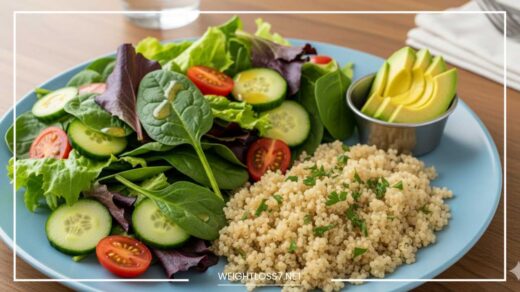
For those who find calorie counting cumbersome, the Balanced Plate Method offers an intuitive, sustainable way to manage portions. This is a visual guide to constructing your meals:
- Half of your plate: Fill with non-starchy vegetables (high-volume, high-fiber, low-calorie).
- One quarter of your plate: Dedicate to protein sources (for satiety and muscle preservation).
- One quarter of your plate: Fill with high-fiber carbohydrates (like whole grains or starches).
This method automatically prioritizes nutrient density and portion control, making it easier to reduce overall calorie intake without constant tracking.
Flexible Dieting: Eating What You Like in Moderation
Flexible Dieting, sometimes called the “80/20 Rule,” is a psychological strategy centered on adherence and mental well-being.
- Concept: Aim to eat highly nutritious, whole foods for the majority (e.g., 80%) of your intake, but allow for smaller portions of less-nutritious “fun foods” (20%) that you enjoy.
- Benefit: This approach eliminates the feeling of deprivation. Knowing you can occasionally enjoy your favorite treats prevents the “all-or-nothing” mentality that often leads to binge eating and completely abandoning a diet plan.
- Sustainability: By integrating enjoyment into the plan, flexible dieting dramatically improves long-term adherence, making weight maintenance feel less like a chore and more like a normal way of life.
Psychological and Behavioral Strategies
A dietary plan is only as good as your ability to stick to it. This is why the psychological and behavioral side of eating—often neglected—is just as crucial as the nutritional content.
Mindful Eating: Recognizing Hunger vs. Emotional Eating
One of the biggest diet challenges is the confusion between physical hunger and emotional hunger.
- Physical Hunger is gradual, involves physical sensations (stomach growling, lightheadedness), and is satisfied by any food.
- Emotional Hunger is sudden, urgent, and focused on specific, often comfort-oriented foods. It’s an attempt to fill an emotional void (boredom, stress, loneliness) and is rarely satisfied by food alone.
Mindful Eating is the practice of learning to distinguish between these two. Before reaching for food, stop and ask yourself: Am I truly hungry, or am I tired, bored, stressed, or thirsty? If it’s an emotion, find a non-food coping mechanism, such as taking a short walk, calling a friend, or listening to music. This practice breaks the destructive cycle of using food as an emotional regulator.
Habit Formation: Small Changes Lead to Sustainable Results
Weight loss is the result of many small, consistent actions, not one massive effort. Focusing on habit formation is key to sustainability.
- Identify Keystone Habits: A keystone habit is a small change that leads to a cascade of positive effects. Examples include:
- “I will drink one glass of water immediately upon waking.”
- “I will eat a source of protein with every breakfast.”
- “I will put my phone away while eating dinner.”
- Make it Easy: Use the principle of “start so small you can’t say no.” If your goal is to reduce processed snacks, start by replacing just one sugary afternoon snack with a piece of whole fruit for an entire week. Once that small change becomes automatic, move on to the next one.
- Consistency Over Perfection: Missing a goal for one meal or one day is not failure; it’s a data point. The goal is to be consistently compliant most of the time (e.g., 90%) rather than striving for an unsustainable 100%.
Avoiding Diet Fatigue: Motivation Without Extreme Restrictions
Diet fatigue sets in when a plan is too restrictive, complex, or lasts too long without a break. It’s a primary reason people “fall off the wagon.”
- Embrace the “Maintenance Break”: If you’ve been dieting for several months and feel exhausted, take a strategic 2-4 week break at your new weight. Eat at your estimated maintenance calories. This gives you a mental and physical rest, allows your metabolism to stabilize, and makes the return to a deficit much easier and more effective.
- Focus on Addition, Not Subtraction: Frame your diet goals around what you get to eat rather than what you must avoid. Focus on adding more fiber, more vegetables, and more protein, which naturally crowds out less nutritious, higher-calorie options.
- Establish Non-Food Rewards: Celebrate milestones with things that aren’t food—a new piece of clothing, a massage, a trip, or a new book. This decouples the idea of success from food consumption.
Common Challenges and How to Overcome Them
Even the most well-planned diet will encounter roadblocks. Anticipating and preparing for these common challenges is essential for sustained weight loss.
Plateaus: Why Weight Loss Can Stall and How to Address It
A weight loss plateau is when weight loss stops for several weeks despite continued effort. It is frustrating, but entirely normal.
- The Science of Plateaus: As you lose weight, your body requires fewer calories to operate. Your new, smaller body has a lower BMR. The caloric deficit that initially caused weight loss is no longer a deficit at your current size; it’s your new maintenance level.
- How to Break a Plateau:
- Re-Evaluate Intake: The first step is to be brutally honest and re-track your food and beverage intake for several days. “Diet creep” is common—small increases in portion sizes or forgotten snacks add up.
- Slightly Increase the Deficit: Once your intake is confirmed, a minor, strategic reduction (e.g., 100-200 calories) may restart the loss. Avoid severe cutting, which can lead to metabolic adaptation and burnout.
- Prioritize Sleep and Hydration: Ensure these foundational elements are optimized, as poor sleep and dehydration can cause hormonal shifts that encourage water retention and stall fat release.
Cravings: Strategies to Manage Them Without “Forbidden Foods”
Cravings are powerful urges, often emotional or habitual, for specific foods. Managing them without creating an environment of “forbidden foods” is an exercise in smart substitution and moderation.
- Wait and See (The 10-Minute Rule): When a craving hits, tell yourself you can have the item, but only after 10 minutes. During that time, drink a large glass of water, change your environment, or engage in a distracting activity. Often, the intensity of the craving passes.
- Strategic Substitution: If you’re craving a creamy texture, choose a healthier substitute like Greek yogurt or a fruit smoothie instead of a high-fat dessert. If you want something crunchy and salty, opt for air-popped popcorn or oven-roasted chickpeas instead of fried chips.
- Planned Indulgence (The 20%): If a craving persists and is for a food that is simply not replaceable (e.g., a specific type of sweet treat), plan for a small, controlled portion within your flexible dieting allowance. This prevents a small craving from turning into a massive binge because you feel deprived.
Social Situations: Eating Out, Parties, and Staying on Track
Social events are where most diets break down. Success here requires planning, not luck.
- Pre-Plan: Look up the restaurant menu online beforehand and decide on your order. Select a choice that includes a good source of protein and vegetables.
- Mindful Ordering: Ask for sauces and dressings on the side so you can control the amount. Order water and a low-calorie beverage right away. Don’t be afraid to request substitutions (like replacing fries with a side salad).
- The “Half-Plate Rule”: At parties or buffets, survey the options and choose a small portion of what looks most appealing. Then, fill the rest of your plate with fruit and non-starchy vegetables. It is okay to try small tastes of treats, but remember the concept of a “taste” versus a “portion.”
Lifestyle Factors That Support Dieting
While the premise of the article is about dieting only, the effectiveness of any diet is heavily reliant on supporting lifestyle factors that impact your hunger hormones and metabolic function. Ignoring these factors will make the diet much harder to sustain.
Sleep: How Quality Rest Impacts Weight Loss
Sleep is not just rest; it is metabolic maintenance. Poor sleep is directly correlated with weight gain and increased appetite.
- Hormone Regulation: Lack of sleep disrupts the balance of the two key appetite hormones:
- Ghrelin: The “hunger hormone” increases when you are sleep-deprived.
- Leptin: The “satiety hormone” decreases when you are sleep-deprived.
- Cravings and Willpower: When you are tired, your body instinctively seeks fast energy (sugar/simple carbs), and your willpower to stick to your diet plummets.
- Goal: Aim for 7–9 hours of quality, uninterrupted sleep per night. Treat sleep as seriously as you treat your meals.
Stress Management: Cortisol’s Effect on Appetite and Fat Storage
Chronic stress is a powerful enemy of weight loss, regardless of how well you’re eating.
- The Cortisol Connection: When you are chronically stressed, your body releases the hormone cortisol. High, sustained cortisol levels are linked to increased appetite and a metabolic preference for storing fat, particularly around the abdominal area (visceral fat).
- Actionable Strategies: Stress management doesn’t have to be complex. It could involve:
- Deep Breathing/Meditation: Even 5–10 minutes a day can lower stress markers.
- Journaling: Writing down worries can help process them.
- Social Connection: Spending time with supportive friends or family.
Addressing stress helps balance cortisol, making it easier for your body to release fat and for you to adhere to your eating plan without constant stress-induced cravings.
Light to Moderate Activity: Movement Without Strict Exercise Regimes
While we are focusing on diet, embracing a small amount of light to moderate activity is a critical support mechanism that doesn’t require a dedicated “exercise” routine. This is about boosting your “calories out” without strenuous effort.
- Non-Exercise Activity Thermogenesis (NEAT): NEAT is the energy expended for everything that isn’t sleeping, eating, or dedicated exercise—things like walking to your car, standing, fidgeting, and taking the stairs. This can account for a substantial portion of daily calorie burn.
- Incorporating Movement:
- Take a 10-minute walk after lunch to aid digestion and boost NEAT.
- Stand while taking phone calls.
- Stretch or do light bodyweight movements during TV commercial breaks.
This light movement improves mood, helps manage stress, slightly increases daily energy expenditure, and improves insulin sensitivity—all factors that make your dietary efforts more successful.
Safety and Sustainability
The pursuit of weight loss must always be done with a focus on health and longevity. Extreme measures are counterproductive and dangerous.
Avoiding Extreme Calorie Restriction or Fad Diets
Extreme calorie restriction (e.g., consuming fewer than 1,000–1,200 calories per day for a prolonged period without professional supervision) is not only unsafe but also sets you up for failure.
- Nutrient Deficiencies: Severely restricting calories makes it almost impossible to meet the body’s needs for essential micronutrients.
- Muscle Loss: Your body will start to break down lean muscle tissue for energy, further lowering your metabolic rate and making weight maintenance harder.
- Binge Cycle: Severe restriction is a recipe for diet fatigue, leading to an eventual, inevitable “rebound” of binge eating and rapid weight regain (the “yo-yo” effect).
Avoid any fad diet that promises extremely rapid weight loss, demonizes an entire macronutrient (like all carbs or all fats), or forces you to buy proprietary products.
Importance of Consulting Professionals If Needed
While much can be achieved independently, professional guidance can provide a personalized and safe path.
- Registered Dietitian (RD): An RD can help create a balanced, sustainable meal plan that meets your specific nutritional needs, takes into account any health conditions, and fits your preferences.
- Physician: Always consult your doctor before starting any significant dietary change, especially if you have pre-existing health conditions (like diabetes or heart issues) or are taking medication. They can rule out underlying medical causes for weight challenges.
Long-Term Focus: Weight Maintenance vs. Short-Term Loss
Losing the weight is only half the battle; weight maintenance is the true measure of success.
- Sustainability: Whatever changes you make to lose weight must be changes you are willing to maintain for the rest of your life. If you can’t see yourself eating a certain way in five years, it’s not a sustainable plan.
- The New Normal: The difference between a “diet” and a “lifestyle change” is psychological. Shift your thinking from “What do I have to cut out?” to “What foods and habits will support my healthy life permanently?”
- Maintenance Calories: Once you reach your goal weight, you will need to gradually increase your caloric intake to your new maintenance level. This is a critical transition that prevents immediate weight regain.
Final Thoughts
Can you lose weight by dieting only? Absolutely. Dieting is the most powerful single factor in creating the caloric deficit necessary for weight loss. By strategically managing your “calories in,” prioritizing nutrient-dense foods, controlling portions, and leveraging smart eating strategies, you can certainly achieve your weight goals without a dedicated exercise regimen.
However, the most effective and sustainable weight loss comes from a holistic approach. It’s the synergistic combination of smart eating, adequate sleep, controlled stress, and consistent, light daily movement that protects your metabolism, manages your appetite-regulating hormones, and provides the mental resilience needed for lifelong maintenance.
Small, consistent changes are the key to unlocking massive, long-term results. Don’t seek perfection; seek consistency. Start today by making one single, manageable change—drinking a glass of water before every meal, or filling half your dinner plate with non-starchy vegetables. Track your progress, learn what works best for your body, and be willing to adapt.