Best and Fastest Way to Lose Weight

The Best and Fastest Way to Achieve Sustainable Weight Loss
Achieving a healthy weight is a goal for many, yet it often feels like an uphill battle. In a world saturated with quick fixes and fad diets, discerning truly effective and sustainable strategies can be overwhelming. The journey to weight loss isn’t merely about shedding numbers on a scale; it’s fundamentally about fostering long-term health, cultivating vital habits, and embracing a lifestyle that nourishes both body and mind. This article delves into a comprehensive, science-backed approach to weight loss, emphasizing methods that are not only efficient in delivering results but also promote enduring well-being.
Understanding Weight Loss: The Science Behind It
At its core, weight loss is governed by a fundamental principle: energy balance. When the energy your body consumes (through food and beverages) is less than the energy it expends, you create a caloric deficit, leading to weight reduction. Conversely, consuming more energy than you burn results in weight gain. While this concept seems straightforward, numerous intricate biological processes influence this balance.
Metabolism plays a crucial role. This is the sum of all chemical processes that occur in your body to maintain life. Your metabolic rate dictates how quickly your body converts food into energy. Factors such as age, genetics, body composition, and activity levels significantly influence your metabolism. For instance, individuals with more lean muscle mass generally have a higher metabolic rate, burning more calories even at rest.
Your Basal Metabolic Rate (BMR) represents the minimum number of calories your body needs to perform basic, life-sustaining functions such as breathing, circulation, and cell production. It’s the energy expended while you’re at complete rest. Estimating your BMR is a crucial first step in understanding your caloric needs. Several formulas exist, such as the Mifflin-St Jeor equation, which takes into account your age, gender, weight, and height to provide an approximate daily caloric requirement for basic bodily functions. Once you know your BMR, you can then factor in your activity level to determine your Total Daily Energy Expenditure (TDEE), which is the total number of calories you burn in a day. To lose weight, the goal is to consistently consume fewer calories than your TDEE.
Key Principles of Effective Weight Loss
The pursuit of weight loss is often viewed as a race, but sustainable success hinges on a different philosophy: consistency over perfection. Drastic, short-term fixes might offer initial rapid results, but they are rarely sustainable and often lead to rebound weight gain. True progress comes from adopting small, consistent changes that seamlessly integrate into your daily life, creating habits that last.
Mindful eating is a cornerstone of this approach. It involves paying full attention to your food—how it looks, smells, tastes, and feels—and tuning into your body’s natural hunger and fullness cues. In our fast-paced lives, it’s common to eat distracted, leading to overconsumption. By slowing down, savoring each bite, and listening to your body, you can better understand when you’re truly hungry and when you’re satisfied, naturally facilitating portion control. This awareness helps prevent mindless snacking and overeating, which are common culprits in weight gain.
Another simple yet profoundly effective principle is hydration. Water is not only essential for virtually every bodily function but also plays a significant role in weight management. Drinking adequate water can boost your metabolism, helping your body burn calories more efficiently. Furthermore, consuming water before meals can help you feel fuller, reducing overall food intake. Often, what we perceive as hunger is actually thirst, making proper hydration a powerful tool for curbing unnecessary snacking. Aim for at least 8-10 glasses of water daily, and consider keeping a water bottle handy as a constant reminder.
Choosing the Right Dietary Approach for Fast Weight Loss
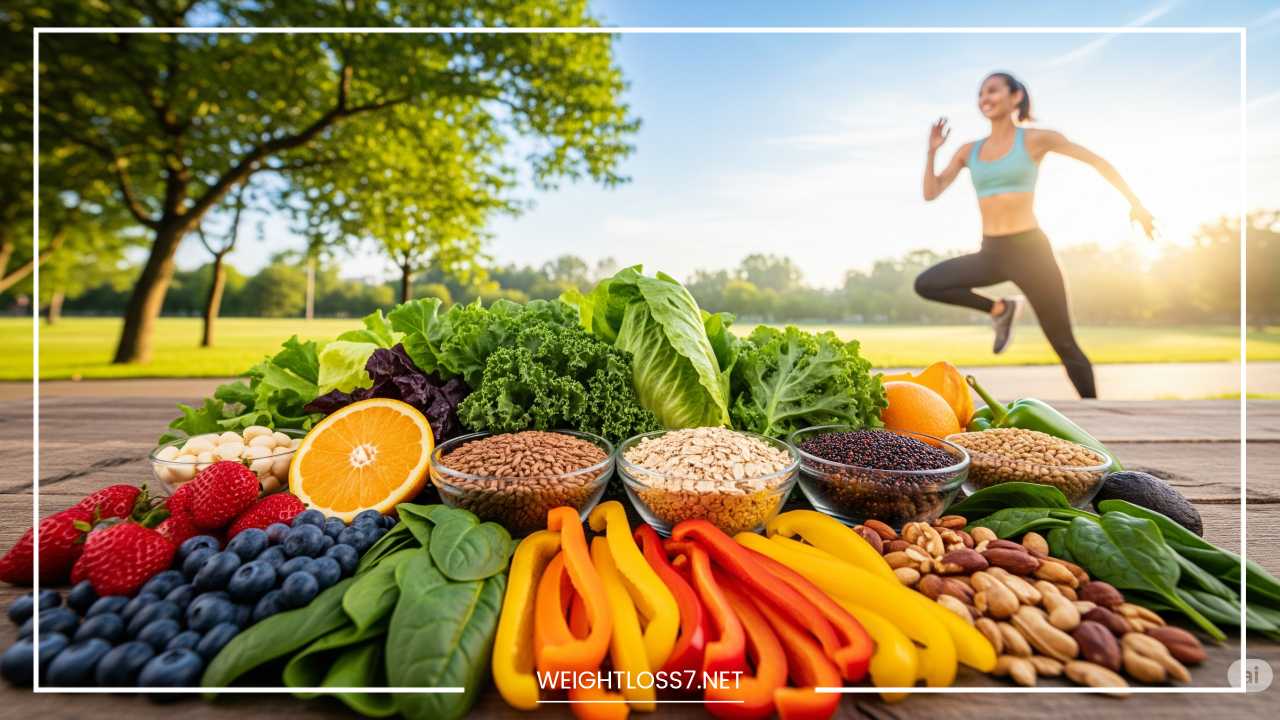
While caloric deficit is the engine of weight loss, the quality of the calories you consume significantly impacts your health, satiety, and overall success. A dietary focus on whole, unprocessed foods, primarily derived from plants, offers a powerful and effective pathway to weight loss. This approach emphasizes an abundance of nutrient-dense, low-calorie foods that naturally promote fullness and provide essential nutrients.
Focusing on a diverse array of plant-based foods such as fruits, vegetables, whole grains, and legumes is key. These foods are packed with vitamins, minerals, and antioxidants, supporting overall health while being naturally lower in caloric density compared to many processed foods. For instance, a large portion of leafy greens or a bowl of mixed berries offers substantial volume and nutrients for minimal calories, helping you feel satisfied without overeating.
A critical component of these foods is fiber. Fiber-rich foods take longer to digest, contributing to prolonged feelings of fullness and preventing rapid spikes in blood sugar. This helps stabilize energy levels and reduce cravings. Furthermore, fiber supports a healthy digestive system, aiding in efficient nutrient absorption and waste elimination. Incorporate a variety of fiber sources, including oats, quinoa, brown rice, lentils, beans, chickpeas, and a wide spectrum of fruits and vegetables.
For those seeking potentially faster initial weight loss, certain approaches like low-carb diets can be effective when adapted to a plant-based framework. This might involve significantly reducing starchy carbohydrates and focusing heavily on non-starchy vegetables, healthy fats (like avocados, nuts, and seeds), and substantial plant-based protein sources such as tofu, tempeh, lentils, and specific plant protein powders. The rationale behind low-carb strategies often revolves around stabilizing blood sugar and reducing insulin levels, which can promote fat burning. However, it’s essential to ensure such an approach remains nutritionally complete and sustainable for your lifestyle.
Regardless of the specific dietary composition, calorie counting and mindful portion control remain invaluable tools. While not everyone needs to meticulously track every calorie, understanding the caloric density of different foods and being conscious of portion sizes can prevent accidental overconsumption. Using tools like food scales, measuring cups, or even simply familiarizing yourself with standard serving sizes can empower you to make more informed choices and maintain the necessary caloric deficit for weight loss. Mindful eating, as discussed earlier, complements this by helping you naturally regulate your intake.
The Role of Exercise in Weight Loss
While nutrition lays the foundation for weight loss, exercise acts as a powerful accelerator, amplifying calorie expenditure, building metabolism-boosting muscle, and improving overall health. A balanced exercise regimen incorporates both cardiovascular activities and strength training.
Cardio workouts, also known as aerobic exercises, are excellent for burning a high number of calories in a relatively short period. Activities like running, brisk walking, cycling, swimming, dancing, or using an elliptical machine elevate your heart rate, improve cardiovascular health, and directly contribute to fat burning. Regular cardio sessions not only help in creating a caloric deficit but also enhance stamina, improve mood, and reduce the risk of chronic diseases. Aim for at least 150 minutes of moderate-intensity cardio or 75 minutes of vigorous-intensity cardio per week, ideally spread throughout the days.
Strength training is equally, if not more, crucial for sustainable weight loss. While it might not burn as many calories during the actual workout as high-intensity cardio, its long-term impact on your metabolism is profound. Building lean muscle mass increases your Basal Metabolic Rate (BMR), meaning your body burns more calories at rest. Muscle tissue is metabolically more active than fat tissue. Incorporate exercises that work major muscle groups, such as squats, lunges, push-ups, planks, and rows. These can be done using your own body weight, resistance bands, or minimal equipment, making them accessible even without a gym membership. Aim for 2-3 strength training sessions per week.
For an efficient and effective calorie burn, consider High-Intensity Interval Training (HIIT). HIIT involves short bursts of intense exercise followed by brief recovery periods. For example, sprinting as fast as you can for 30 seconds, followed by a 60-second walk, repeated for 15-20 minutes. HIIT workouts are incredibly time-efficient and have been shown to be highly effective for fat loss, even leading to an “afterburn effect” where your body continues to burn calories at an elevated rate post-workout. Integrate HIIT into your routine 1-2 times a week to maximize results.
Lifestyle Factors That Affect Weight Loss
Beyond diet and exercise, several critical lifestyle factors significantly impact your body’s ability to lose weight and maintain it. Overlooking these elements can sabotage even the most diligent efforts.
Sleep is a powerful, often underestimated, determinant of weight. When you don’t get enough quality sleep (typically 7-9 hours for adults), your body experiences hormonal disruptions. Levels of ghrelin, the “hunger hormone,” increase, making you feel hungrier, while leptin, the “satiety hormone,” decreases, leading to reduced feelings of fullness. This imbalance can lead to increased cravings for high-calorie, processed foods. Furthermore, lack of sleep can decrease energy levels, making you less likely to exercise and more prone to fatigue-driven snacking. Prioritizing consistent, restorative sleep is a non-negotiable for effective weight management.
Stress management is another vital, yet frequently overlooked, aspect. Chronic stress triggers the release of cortisol, often dubbed the “stress hormone.” Elevated cortisol levels can promote fat storage, particularly around the abdominal area. Moreover, stress often leads to emotional eating, where individuals turn to food for comfort rather than true hunger. Developing healthy coping mechanisms for stress—such as meditation, deep breathing exercises, yoga, spending time in nature, or engaging in hobbies—can significantly impact your weight loss journey. Addressing stress helps reduce cravings, prevent emotional eating, and fosters a more balanced hormonal environment conducive to weight loss.
Finally, reinforcing the earlier point: consistency and patience are paramount. While the desire for quick results is understandable, true, lasting weight loss is a gradual process. There will be days of triumph and days of challenge. Understanding that progress isn’t always linear, and that plateaus are normal, is crucial. Celebrating small victories and maintaining a long-term perspective will prevent discouragement and ensure that quick, unsustainable fixes are avoided in favor of enduring healthy habits.
Meal Planning for Fast and Effective Weight Loss
Strategic meal planning is a secret weapon for accelerating weight loss and maintaining dietary consistency. It removes guesswork, reduces the likelihood of unhealthy impulse choices, and ensures you’re consistently fueling your body with nutrient-dense foods.
Meal prepping is highly recommended. Dedicate a few hours one day a week (e.g., Sunday) to plan your meals and prepare ingredients for the days ahead. This could involve chopping vegetables, cooking a large batch of whole grains (like quinoa or brown rice), preparing a big pot of lentils or chickpeas, or making a versatile plant-based sauce. Having ready-to-assemble components makes healthy eating effortless, especially during busy weekdays. Focus on creating balanced, plant-based options that are rich in fiber, healthy fats, and protein from sources like legumes, tofu, tempeh, nuts, and seeds.
For those moments between main meals, having healthy snacks for weight loss is essential to keep hunger at bay and prevent overeating at subsequent meals. Opt for choices that are high in fiber and protein, offering sustained energy. Good options include a small handful of raw almonds or walnuts, fresh fruit with a tablespoon of nut butter, vegetable sticks with hummus, or a small portion of roasted chickpeas. These choices provide satiety and nutrients without contributing excessive calories.
When planning your meals, always aim for balanced macronutrients. While you are focusing on a caloric deficit, ensuring you get adequate amounts of carbohydrates, healthy fats, and protein is critical for energy, satiety, and overall health.
- Complex Carbohydrates: Focus on whole grains (oats, quinoa, brown rice, whole-wheat bread), starchy vegetables (sweet potatoes, corn, peas), and fruits. These provide sustained energy and fiber.
- Healthy Fats: Incorporate sources like avocados, nuts (almonds, walnuts, cashews), seeds (chia, flax, hemp, sunflower, pumpkin), and olive oil. Healthy fats are crucial for hormone production, nutrient absorption, and satiety.
- Protein: Ensure each meal includes robust plant-based protein sources. This is vital for muscle maintenance (especially during weight loss), satiety, and numerous bodily functions. Excellent options include lentils, beans (black beans, kidney beans, cannellini beans), chickpeas, tofu, tempeh, edamame, and various nuts and seeds. A combination of these throughout the day will provide a complete amino acid profile.
Avoiding Common Weight Loss Pitfalls
The path to weight loss is often littered with obstacles that can derail progress. Awareness of these common pitfalls can help you navigate them effectively.
Crash diets, or extremely restrictive eating plans that promise rapid, often unrealistic, weight loss, are among the most dangerous traps. While they might deliver initial results due to severe caloric restriction, they are unsustainable, nutritionally inadequate, and can harm your metabolism in the long run. They often lead to nutrient deficiencies, muscle loss (not just fat), and a rebound effect where individuals regain the lost weight, often more, once they return to normal eating patterns. Focus on gradual, consistent changes rather than drastic, temporary deprivation.
Another common pitfall is overlooking hidden calories. Many seemingly healthy snacks, beverages, and condiments can be surprisingly high in calories, sugars, or unhealthy fats. For example, a “healthy” smoothie from a cafe might contain excessive fruit juice, added sweeteners, or large portions of high-calorie ingredients. Salad dressings, sauces, and sweetened beverages are frequent culprits. Always read nutrition labels, opt for homemade versions where possible, and be mindful of portion sizes for these items. Simple water, herbal teas, or water infused with fruit are always superior choices over sugary drinks.
Finally, be prepared for plateaus. A weight loss plateau is a period where your weight loss stalls despite consistently following your diet and exercise plan. This is a normal physiological adaptation as your body adjusts to its new weight and becomes more efficient. It can be frustrating, but it’s not a sign of failure. To break through a plateau, you might need to slightly adjust your approach. This could involve:
- Re-evaluating your calorie intake: Your body’s caloric needs decrease as you lose weight. You might need to slightly reduce your intake further.
- Changing your workout routine: Introduce new exercises, increase intensity, or vary your cardio and strength training.
- Increasing Non-Exercise Activity Thermogenesis (NEAT): Simply moving more throughout the day—taking the stairs, walking more, fidgeting—can contribute to additional calorie burn.
- Ensuring adequate sleep and stress management: These fundamental factors can sometimes be the hidden reason for a plateau.
The Importance of Mental Health During Weight Loss
Weight loss is not just a physical transformation; it’s a profound mental and emotional journey. Cultivating a positive mindset is as crucial as counting calories or hitting the gym. Shift your focus from merely the number on the scale to celebrating non-scale victories—improved energy, better sleep, clothes fitting differently, increased strength, and enhanced mood. Embrace the journey as an opportunity to become healthier, stronger, and more confident, rather than a punishment.
Self-compassion is vital, especially during setbacks. There will be days when you deviate from your plan, make less-than-optimal food choices, or miss a workout. Instead of dwelling on guilt or shame, practice self-compassion. Acknowledge the slip-up, understand what led to it, and gently guide yourself back on track without judgment. Treating yourself with kindness and understanding, just as you would a friend, is far more effective than self-criticism in fostering long-term adherence and resilience.
Lastly, never underestimate the power of support systems. Sharing your goals with trusted friends, family members, or even online communities can provide immense encouragement, accountability, and practical advice. Having people who celebrate your successes and offer understanding during challenges can make the weight loss journey feel less isolating and more achievable. Consider working with a certified nutritionist or a personal trainer if you need personalized guidance and professional support.
Final Thoughts: Sustainable Weight Loss for a Healthy Life
While the allure of “fastest” weight loss is undeniable, the most successful and enduring transformations prioritize “best” methods—those that are healthy, sustainable, and promote overall well-being. True success isn’t measured by how quickly the weight disappears, but by how effectively you integrate healthful habits into your life for the long haul.
Embrace the journey by making small, incremental changes to your lifestyle. Focus on nourishing your body with whole, unprocessed foods primarily from plant sources, engaging in regular physical activity that you enjoy, prioritizing restful sleep, and managing stress effectively. These pillars, supported by a positive mindset and self-compassion, will not only lead to effective weight loss but also cultivate a foundation for a vibrant, energetic, and healthy life. Remember, your health and well-being are the most valuable assets, and investing in them through sustainable habits will yield the most profound and lasting rewards.