Best Diet and Exercise for Weight Loss


Best Diet and Exercise for Weight Loss: Complete Guide for Beginners
Achieving a healthier weight is one of the most rewarding journeys you can undertake for your long-term well-being. However, the modern landscape of fitness and nutrition is crowded with conflicting advice, extreme regimes, and temporary fixes that promise rapid results but deliver long-term frustration. The truth is that sustainable weight loss is rarely achieved through drastic deprivation or exhausting, punitive workout schedules. Instead, it is built on the foundation of consistency, balanced nutrition, regular physical movement, and mindful everyday habits.
Many people struggle with weight management not because they lack willpower, but because they adopt strategies that are impossible to maintain over time. When you significantly slash your food intake or commit to an overly grueling exercise routine, your mind and body naturally resist, leading to burnout, fatigue, and eventual regression. To break this cycle, it is crucial to understand that losing weight is a gradual process of lifestyle transformation rather than a temporary phase.
The most effective approach combines a supportive, nourishing dietary strategy with a dynamic exercise routine. Diet and exercise work synergistically; while nutritional choices play the primary role in managing calorie intake and providing vital nutrients, regular physical activity builds strength, boosts metabolic function, and protects mental health. By focusing on creating maintainable, life-enhancing habits rather than seeking quick fixes, you can achieve your fitness goals in a way that feels rewarding and permanent.
Understanding Weight Loss
To embark on a successful fat loss journey, it helps to understand the fundamental mechanics of how the human body utilizes and stores energy. Stripping away the complicated jargon reveals a relatively straightforward principle that governs weight management.
How Weight Loss Actually Works
At its core, weight loss is governed by the relationship between the energy you consume through food and drink and the energy your body expends to maintain vital functions and support physical movement. This is commonly referred to as the energy balance, or calories in versus calories out. When you consistently consume slightly fewer calories than your body requires to maintain its current size, you create an energy deficit. To make up for this shortfall, your body draws upon stored energy, which is primarily held in fat tissue.
Your metabolism plays an important role in this equation. Metabolism refers to all the chemical processes your body performs to keep you alive, breathe, circulate blood, and repair cells. The energy required for these baseline functions is known as your basal metabolic rate. Your total daily energy expenditure is a combination of this baseline metabolic rate, the energy used to digest food, and your overall activity levels, which include everything from structured workouts to casual walking, cleaning, and fidgeting.
This mechanical reality explains why crash diets are ultimately counterproductive. When you drastically cut your food intake below a reasonable threshold, your body perceives a state of scarcity. In response, it adapts by slowing down your metabolic rate to conserve energy. This metabolic slowdown makes it increasingly difficult to continue losing weight and often leads to rapid weight regain once you return to standard eating patterns. Furthermore, extreme restriction typically causes a loss of water weight and precious muscle tissue rather than actual body fat. True, sustainable weight loss targets body fat while preserving lean muscle mass and maintaining a healthy metabolic rate.
Why Diet Matters More Than Exercise Alone
A common misconception is that you can erase a poor diet simply by working out harder or longer. While physical activity is absolutely essential for your overall health, cardiovascular endurance, and body composition, your eating habits influence your energy balance much more efficiently than exercise alone.
Consider the practical mathematics of daily life: it takes only a few minutes to consume hundreds of calories through calorie-dense, low-nutrient foods or sugary beverages. Conversely, burning that same amount of energy through exercise requires a significant time commitment and sustained physical effort. For most individuals, creating a moderate energy deficit purely through exercise is physically exhausting and difficult to sustain alongside the demands of work, family, and daily life.
Therefore, successful weight management prioritizes portion control, food quality, and dietary consistency. Modifying what and how much you eat forms the foundation of your energy deficit, while exercise acts as a powerful supportive partner. Regular physical movement accelerates fat loss, preserves functional strength, improves heart health, and enhances your mood, making it far easier to stick to your healthy lifestyle goals. By combining both elements, you address weight management from two highly effective angles simultaneously.
Best Diet Habits for Weight Loss
Establishing supportive eating patterns does not mean you have to experience constant hunger or follow an overly complicated meal plan. By shifting your focus toward nutritional value and mindful behaviors, you can nourish your body while managing your weight naturally.
Focus on Whole and Nutrient-Dense Foods
The most effective dietary strategy for sustainable weight loss centers around incorporating whole, nutrient-dense foods into your everyday meals. Nutrient density refers to foods that supply a high amount of vitamins, minerals, antioxidants, and dietary fiber relative to their calorie content. When your diet is rich in these options, you automatically crowd out less supportive, highly processed choices without feeling deprived.
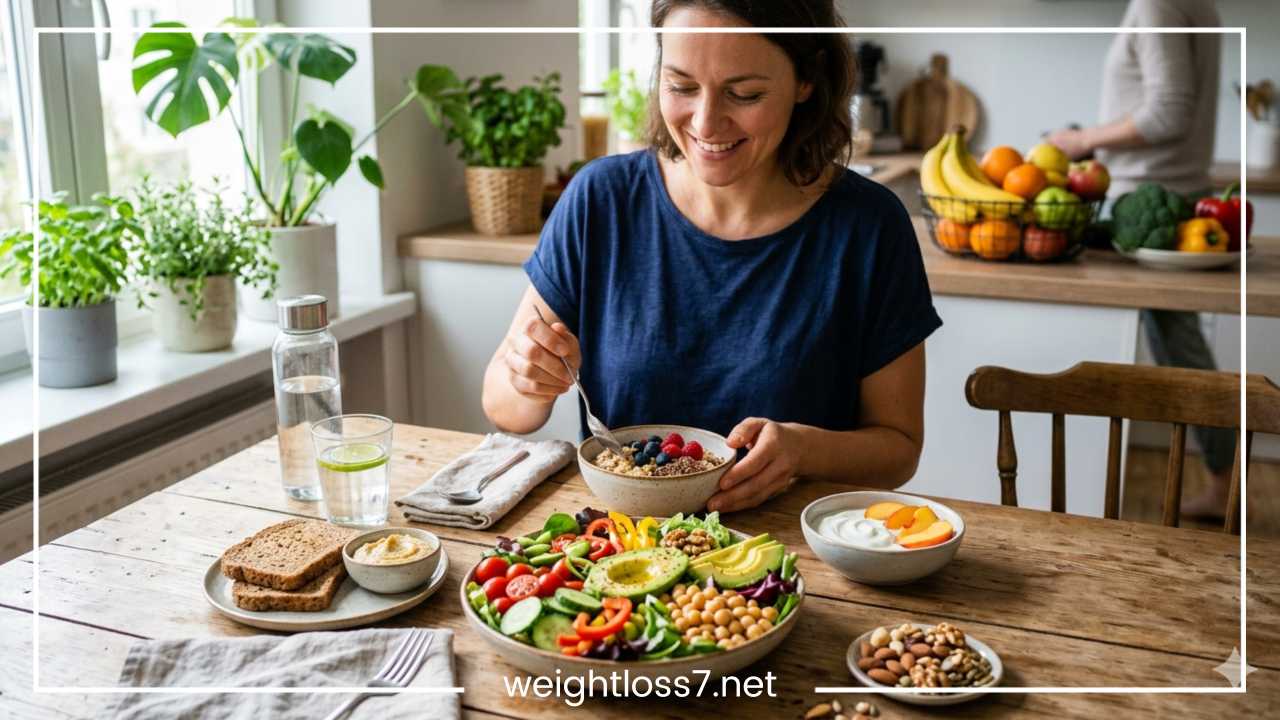
A well-balanced, wholesome eating pattern includes a vibrant variety of colorful fruits and vegetables, which provide volume and essential micronutrients with minimal calories. Whole grains provide sustained energy, while lentils, beans, and traditional dairy options or plant alternatives offer vital building blocks for cellular repair and maintenance. Incorporating healthy fats from sources like nuts, seeds, and specific oils ensures proper hormone production and nutrient absorption.
The primary benefit of prioritizing whole foods is their ability to promote satiety, the feeling of comfortable fullness after eating. These foods are naturally rich in dietary fiber, which slows down the digestive process and helps regulate blood sugar levels. This prevents the sharp spikes and sudden crashes in energy that trigger intense cravings and overeating. By filling your plate with wholesome ingredients, you provide your body with the genuine nourishment it needs to thrive during a weight loss journey.
Best Foods That Support Weight Loss
To build a practical, satisfying daily menu, it is helpful to categorize supportive foods by their primary nutritional benefits. Balancing these components ensures you remain satisfied, energized, and properly nourished.
High-Fiber Foods
Dietary fiber is an essential tool for weight management because it adds bulk to your meals and delays stomach emptying, helping you stay full for longer periods. Excellent sources of high-fiber foods include:
-
Oats: A classic breakfast choice rich in beta-glucan, a type of soluble fiber that supports heart health and keeps morning hunger at bay.
-
Brown Rice and Whole Wheat: Unrefined grains that retain their fiber-rich outer layers, offering steady energy and better digestion compared to refined alternatives.
-
Vegetables: Leafy greens, broccoli, cauliflower, carrots, and Brussels sprouts provide massive physical volume and essential vitamins for very few calories.
-
Fruits: Apples, berries, oranges, and pears satisfy a desire for sweetness while delivering vital antioxidants and hydration.
Protein-Rich Foods
Getting enough protein is vital when losing weight because it has a high thermic effect, meaning your body burns more energy digesting protein than it does digesting fats or carbohydrates. Protein also plays a critical role in preserving lean muscle tissue when you are in a calorie deficit. Excellent sources include:
-
Lentils and Chickpeas: Extremely versatile staples that provide a powerful combination of protein and complex carbohydrates.
-
Beans: Varieties such as kidney beans, black beans, and pinto beans are packed with nutrients and can be easily added to soups, salads, and stews.
-
Tofu: A versatile choice that absorbs flavors beautifully and provides a complete protein profile.
-
Greek Yogurt and Cottage Cheese: Satisfying dairy products that offer a dense concentration of protein, calcium, and gut-healthy probiotics.
Healthy Snacks
Smart snacking prevents your hunger from escalating to the point where you make impulsive food choices later in the day. Keep these simple options accessible:
-
Roasted Chana: A crunchy, savory option filled with protein and fiber that serves as an excellent alternative to processed chips.
-
Fresh Fruit with a Handful of Nuts: The combination of natural carbohydrates from fruit with the healthy fats and protein found in almonds or walnuts creates lasting satiety.
-
Smoothies: A blended mix of dark leafy greens, a protein source like Greek yogurt, and a small serving of berries or seeds makes for a refreshing, nutrient-packed snack.
Portion Control and Mindful Eating
While the quality of your food is incredibly important, quantity still matters for weight management. Even highly nutritious foods contain calories, and consuming them in excessive amounts can stall your progress. Developing an awareness of portions and practicing mindful eating are powerful skills that allow you to enjoy your meals without overeating.
Mindful eating begins with slowing down the pace of your meals. It takes approximately twenty minutes for your stomach to signal to your brain that it is full. Eating too quickly often results in consuming excess food before your body has a chance to register satisfaction. Try to minimize distractions during meals by turning off screens and stepping away from your workspace, allowing you to fully focus on the taste, texture, and aroma of your food.
Learning to recognize genuine physiological hunger signals versus emotional or situational cues is another key step. Often, we reach for snacks out of boredom, stress, fatigue, or simply because food is visible. Before eating, take a brief moment to check in with yourself to determine if you are truly hungry. Additionally, using smaller plates and bowls can visually trick your mind into feeling satisfied with appropriate portion sizes, helping you manage your daily intake naturally and comfortably.
Foods and Habits That Can Slow Weight Loss
Just as it is helpful to focus on what to add to your daily routine, it is equally useful to identify the specific dietary elements and behavioral habits that can quietly hinder your progress. Identifying these areas allows you to make conscious adjustments without needing to feel guilty or restrictive.
Highly processed items, such as sugary beverages, commercial sweets, deep-fried snacks, and products made with heavily refined flour, are designed to be extremely palatable but offer very little nutritional value. Because they lack fiber and protein, these items are digested very rapidly, leading to quick spikes in blood sugar followed by sharp drops that leave you feeling hungry again shortly after consuming them.
Behavioral habits can also influence your overall progress. Late-night eating while distracted by television or frequent episodes of eating to cope with stress can add substantial, unneeded calories to your day. It is important to approach these situations with a balanced perspective rather than rigid self-shaming. Allowing yourself room for occasional treats prevents feelings of deprivation, making it much easier to maintain your overall healthy routine over the long term.
Hydration and Sleep: The Overlooked Factors
When striving to optimize your nutrition, it is easy to forget about two foundational pillars of general health that heavily influence your appetite and metabolism: hydration and sleep quality.
Adequate water intake is essential for efficient digestion and metabolic function. Interestingly, the human brain often confuses mild dehydration with feelings of hunger, causing people to snack when their body is actually just craving fluids. Drinking a glass of water before meals can help clarify your body’s true signals and assist with natural portion management. Furthermore, choosing water as your primary beverage removes the hidden liquid calories found in sodas, sweetened teas, and processed juices.
Sleep deprivation acts as a significant disruptor of weight loss efforts by upsetting the balance of key appetite-regulating hormones. When you are chronically short on rest, your body increases production of ghrelin, the hormone that signals hunger, and decreases levels of leptin, the hormone that signals fullness. This hormonal shift leads to intense cravings for calorie-dense, sugary foods as your brain seeks a quick source of energy to combat fatigue. Prioritizing seven to eight hours of quality sleep each night creates a stable physiological foundation that makes sticking to your healthy eating goals significantly easier.
Best Exercises for Weight Loss
Physical movement is the ideal companion to a balanced diet, serving as a powerful driver of physical strength, metabolic efficiency, and mental clarity throughout your wellness journey.
Why Exercise Is Essential for Healthy Weight Loss
While managing your dietary habits creates the necessary energy deficit for weight loss, incorporating regular exercise transforms the quality of your results. Physical activity is vital because it elevates your daily energy expenditure, making it easier to sustain a moderate deficit without needing to continually reduce your food intake.
Beyond burning calories, consistent movement plays a critical role in altering your body composition. When you lose weight through diet alone, a portion of that loss inevitably comes from lean muscle tissue. Engaging in regular exercise, particularly activities that challenge your muscles, sends a signal to your body to preserve muscle mass and prioritize burning fat instead.
Maintaining your muscle tissue ensures that your resting metabolic rate remains strong, which is incredibly beneficial for keeping the weight off long after you reach your initial goals. Additionally, regular exercise triggers the release of endorphins, reducing stress and improving mood, which naturally lowers the likelihood of emotional eating.
Best Cardio Exercises for Burning Calories
Cardiovascular exercise is any activity that raises your heart rate and increases oxygen circulation throughout your body. It is an exceptionally effective tool for boosting your daily calorie burn and improving cardiovascular health.
-
Walking: Brisk walking is one of the most practical, accessible, and vastly underrated exercises available. It places minimal stress on your joints, requires no specialized equipment, and can be easily integrated into your daily routine. Walking consistently over time burns a significant amount of energy and serves as an excellent starting point for beginners.
-
Jogging and Running: For those looking to increase the intensity of their workouts, transitioning from walking to jogging or running burns calories at a faster rate per minute and builds great lower-body stamina.
-
Cycling: Whether you prefer using a stationary bike indoors or cycling outdoors through your community, this activity offers an exceptional cardiovascular workout that is highly adjustable in intensity.
-
Swimming: A fantastic full-body workout that engages multiple muscle groups simultaneously while the natural buoyancy of water protects your joints from impact.
-
Jump Rope and Dancing: Fun, high-energy activities that can be performed in the comfort of your home, helping you burn calories while building agility and coordination.
Strength Training for Faster Fat Loss
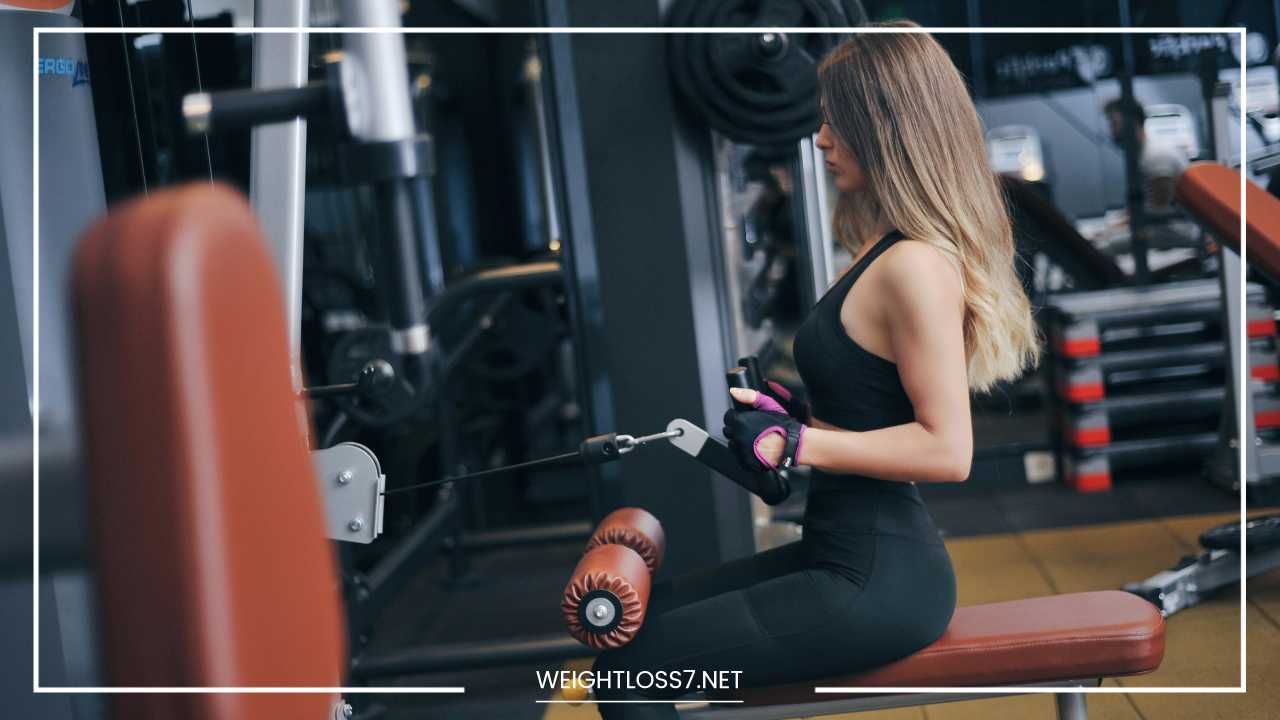
While cardiovascular exercise is excellent for immediate calorie expenditure, strength training is the true secret weapon for long-term body composition improvement and metabolic health. Strength training involves performing physical movements against resistance to build muscular endurance and strength.
When you challenge your muscles through resistance exercises, you create microscopic tears in the muscle fibers. Your body expends a considerable amount of energy repairing and rebuilding these fibers over the subsequent twenty-four to forty-eight hours, an effect known as elevated post-exercise oxygen consumption. This means you continue to burn energy at an increased rate even when you are resting on the couch after your workout.
Furthermore, muscle tissue is metabolically active, requiring more energy to maintain at rest than fat tissue does. By increasing or preserving your muscle mass, you effectively upgrade your body’s internal engine. For beginners, starting with simple bodyweight exercises like squats, modified push-ups, lunges, and glute bridges is highly effective. As your strength improves, you can gradually incorporate resistance bands or light dumbbells to keep your progress moving forward.
HIIT vs Steady-State Cardio
When planning your cardiovascular workouts, you will often encounter two primary styles: High-Intensity Interval Training (HIIT) and Low-Intensity Steady-State (LISS) cardio. Both approaches offer unique advantages, and understanding how they differ can help you choose the best option for your lifestyle.
| Exercise Style | Description | Core Benefits | Best For |
| HIIT | Short bursts of intense effort followed by brief periods of active rest. | Time-efficient, elevates post-workout calorie burn. | Busy schedules, intermediate to advanced fitness levels. |
| Steady-State (LISS) | Continuous, moderate activity maintained at a consistent pace. | Accessible, low impact, excellent for cardiovascular foundation. | Beginners, active recovery days, stress reduction. |
HIIT involves alternating between short intervals of maximum effort—such as sprinting or performing intense bodyweight movements for thirty seconds—and brief recovery periods of walking or resting. This style of training is incredibly time-efficient, allowing you to achieve a powerful workout in as little as fifteen to twenty minutes. It significantly raises your heart rate and creates a substantial post-workout energy burn.
On the other hand, steady-state cardio involves maintaining a moderate, manageable pace for a longer duration, such as a forty-five-minute walk or a gentle bike ride. This method is highly accessible, requires less recovery time between sessions, and carries a much lower risk of injury, making it the ideal choice for beginners or individuals with joint concerns. A truly balanced fitness routine does not require you to choose exclusively between the two; rather, it often combines both styles to keep your workouts engaging and well-rounded.
Best Weekly Workout Routine for Beginners
Creating a structured yet flexible weekly schedule helps turn exercise from a sporadic task into an automatic habit. The key is to start small and gradually build your consistency without overwhelming your body.
A highly effective baseline schedule for beginners involves dedicating three non-consecutive days each week to basic strength training. These sessions do not need to be long; twenty to thirty minutes focusing on full-body movements like squats, wall sits, push-ups against a counter, and core planks is plenty. These strength days ensure your muscles are regularly challenged and preserved.
On the remaining days of the week, aim to accumulate thirty minutes of moderate cardiovascular movement, such as a brisk walk around your neighborhood, a gentle swim, or a light cycling session. Remember to include at least one or two dedicated rest days each week to allow your muscles and joints time to recover and rebuild. This realistic, progressive approach prevents extreme soreness and fatigue, making it much easier to stick with your routine for months and years to come.
Creating Sustainable Results
The final, and most crucial, phase of a successful weight loss journey involves developing the mental strategies and realistic expectations necessary to maintain your progress permanently.
Common Weight Loss Mistakes to Avoid
Many well-intentioned individuals find their progress stalling because they fall into common behavioral traps. Being aware of these pitfalls allows you to steer clear of them and maintain a smoother path toward your goals.
-
Skipping Meals: Intentionally missing meals in an effort to save calories usually backfires by causing extreme hunger later in the day, frequently leading to impulsive overeating or binge eating at night.
-
Over-Exercising: Attempting to work out for hours every single day without adequate rest quickly leads to physical exhaustion, injury, and burnout, halting your routine entirely.
-
Following Fad Diets: Relying on overly restrictive, trendy eating plans that eliminate entire food groups is inherently unsustainable and rarely teaches you how to eat balanced meals in the real world.
-
Depending Only on the Scale: The bathroom scale measures your total body weight, which includes water retention, muscle mass, and undigested food. Focusing exclusively on this single number can be highly discouraging when your body composition is actually improving.
-
Expecting Perfection: Believing that a single indulgent meal or a missed workout session ruins all your hard work can lead to a defeatist mindset where you give up entirely. Progress is built on what you do consistently, not what you do occasionally.
How to Stay Motivated During Weight Loss
Motivation is a wonderful feeling, but it is naturally fluctuating and unreliable over a long journey. To achieve permanent results, you must learn to transition from relying purely on fleeting motivation to building reliable daily habits.
Start by setting realistic, process-oriented goals rather than focusing solely on a final target weight. For example, make it your goal to drink a certain amount of water each day, walk for twenty minutes after dinner, or include a serving of vegetables with your lunch. These small, behavioral goals are entirely within your immediate control, providing a sense of daily accomplishment that keeps you moving forward.
It is also incredibly helpful to track your progress using multiple metrics. Take note of how your clothes fit, monitor your daily energy levels, observe improvements in your sleep quality, and celebrate your increasing physical strength during workouts. When you notice that you can walk up a flight of stairs without getting winded or that your mental clarity has improved, you realize the immense value of your healthy lifestyle choices. Be patient with yourself; genuine transformation takes time, and celebrating small victories along the way builds the lasting confidence you need to succeed.
Final Thoughts
Achieving healthy, sustainable weight loss is a gradual journey of self-care and consistent daily choices rather than a race to an arbitrary finish line. The most reliable and rewarding results come from a balanced lifestyle that honors your body’s need for real, whole-food nutrition and regular, life-enhancing physical movement.
By stepping away from the pressure of extreme restrictions and unrealistic timelines, you give yourself the space to develop habits that truly fit into your daily life. Remember that consistency will always outperform temporary perfection. Every nutritious meal you enjoy, every walk you take, and every night of restful sleep you prioritize is a positive step toward a vibrant, energized, and healthier version of yourself. Approach the process with patience, kindness, and dedication, and your healthy habits will naturally reward you with lasting results.
Frequently Asked Questions
What is the best diet for weight loss for beginners to stay consistent?
The best diet for beginners is one that emphasizes whole, nutrient-dense foods without completely eliminating your favorite cultural or regional dishes. Instead of making drastic changes overnight, start by filling half your plate with colorful vegetables or fruits, one-quarter with complex carbohydrates like oats or brown rice, and one-quarter with reliable protein sources like lentils, beans, tofu, or Greek yogurt.
Focusing on adding high-fiber and high-protein items rather than strictly focusing on what to subtract prevents the psychological feeling of deprivation. This balanced approach manages your natural hunger signals, keeps your daily energy stable, and makes it highly practical to maintain a moderate calorie deficit over several months or years.
How to lose weight fast naturally without exercise or extreme restriction?
While fat loss requires a consistent energy deficit, you can naturally optimize this process through intentional nutrition and everyday behavioral changes. Prioritizing dietary fiber from vegetables, whole grains, and legumes expands in your stomach to create structural fullness, while adequate hydration stops you from confusing mild thirst with hunger.
Additionally, getting seven to eight hours of sound sleep each night keeps your stress and appetite hormones balanced, which naturally reduces impulsive afternoon or late-night cravings. While incorporating physical movement accelerates your results and protects your muscles, optimizing these foundational dietary habits allows you to lose weight steadily and safely without a structured gym routine.
What are the best exercises for weight loss at home for people with busy schedules?
If you are short on time, a combination of full-body bodyweight strength exercises and short blocks of brisk walking is highly effective. You do not need expensive gym equipment to challenge your body; movements like bodyweight squats, incline push-ups against a sturdy wall or countertop, lunges, and planks engage multiple major muscle groups simultaneously.
Pairing a fifteen-minute strength routine three times a week with a daily twenty-minute brisk walk or a quick session of high-intensity interval training (HIIT) maximizes your total calorie burn during and after your workout. This time-efficient approach fits seamlessly into a busy routine while providing the metabolic benefits of longer workouts.
Why am I exercising and eating healthy but not losing weight anymore?
Experiencing a temporary pause in your progress is a normal part of the body fat reduction process, often referred to as a weight loss plateau. This typically occurs because as your body becomes smaller, it naturally requires fewer total calories to function, which can cause your initial energy deficit to shrink or disappear.
Additionally, casual habits can occasionally alter your math over time—such as slightly larger cooking oil portions, unmeasured snacking, or a subtle decrease in your daily non-exercise movement like walking and cleaning. To restart your progress, review your portion sizes, ensure you are getting deep sleep to manage water retention, and gradually introduce light strength training to keep your metabolism active.
How to lose belly fat safely with sustainable lifestyle habits?
It is anatomically impossible to target fat loss from one specific area of the body through isolated exercises like crunches or sit-ups. When you maintain a moderate calorie deficit, your body draws energy from fat stores distributed across your entire frame based largely on your genetics.
The safest and most permanent way to reduce abdominal fat is to combine a high-fiber, protein-rich diet with regular full-body movement and effective stress management. High stress levels trigger the release of a hormone called cortisol, which encourages the body to store deep abdominal fat; by prioritizing quality sleep, staying well-hydrated, and enjoying consistent cardio, you lower cortisol and support full-body fat loss.