Who Can Help Me Lose Weight?


Who Can Help Me Lose Weight? Find Expert Guidance and Support
Losing weight can feel like a monumental task, but it doesn’t have to be a journey you embark on alone. In fact, seeking out the right kind of support can make all the difference, transforming a challenging endeavor into a successful and sustainable lifestyle change. This article will explore the diverse range of individuals, groups, and tools available to help anyone achieve their weight loss goals, regardless of their current lifestyle or dietary preferences.
The Importance of Weight Loss and Support
Weight loss is far more than just a number on a scale; it’s a vital component of overall health and well-being. Maintaining a healthy weight significantly reduces the risk of numerous health issues, including heart concerns, certain joint issues, and energy imbalances. It can also lead to improved mobility, better sleep, and a general enhancement of your quality of life.
However, the path to a healthier weight isn’t solely about making different food choices. It demands a holistic approach, encompassing physical activity, mental well-being, stress management, and adequate rest. This comprehensive strategy often requires proper guidance and unwavering support. The good news is that with the right support system in place, anyone can achieve their weight management goals and unlock a healthier, more vibrant life.
Who Can Help Me Lose Weight? Key Support Figures
When it comes to professional guidance, several health experts can provide invaluable assistance on your weight loss journey.
Health Professionals
- Doctors: Your general physician is often the first and most crucial point of contact. They can assess your overall health, identify any underlying medical conditions that might be affecting your weight, and determine a safe and appropriate weight loss approach tailored to your individual needs. They can also refer you to specialists if required.
- Nutritionists: These professionals offer personalized dietary advice. They focus on helping you understand the principles of balanced eating, guiding you toward healthier food choices that align with your body’s requirements and your weight loss objectives, without emphasizing specific food categories. They can help you develop sustainable eating habits that nourish your body.
- Dietitians: Going a step further, registered dietitians are qualified to design comprehensive meal plans. They take into account your individual needs, preferences, health goals, and any existing health conditions to create structured eating strategies. Their guidance can be instrumental in ensuring you receive adequate nutrients while working towards your weight goals.
- Endocrinologists: For individuals facing specific challenges, an endocrinologist can be a key player. These specialists focus on the body’s metabolism and hormones. If your weight struggles are linked to conditions like imbalances in the body’s chemical messengers or or other metabolic disorders, an endocrinologist can provide targeted treatment and support.
Personal Trainers and Fitness Coaches
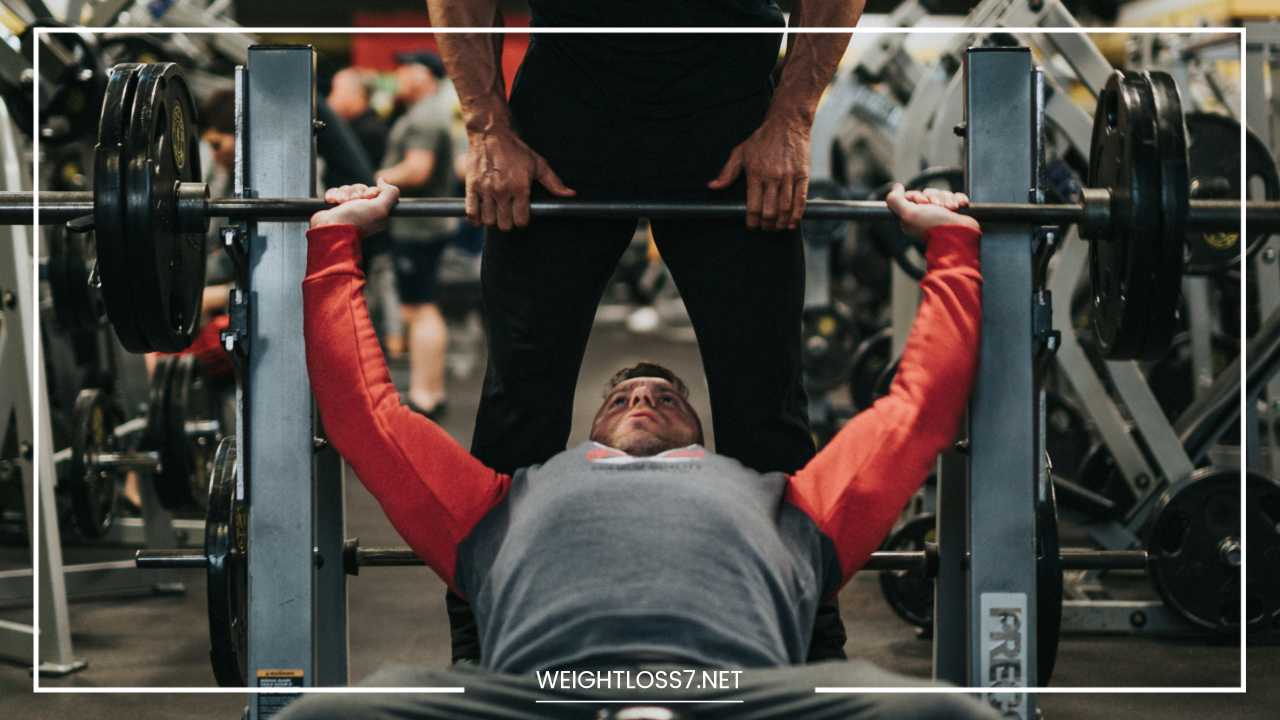
Physical activity is a cornerstone of weight loss, and personal trainers and fitness coaches are experts in this domain. They can design exercise routines that perfectly complement your weight loss journey. The beauty of working with a fitness expert is that physical activity can be completely tailored to your current fitness level, making it accessible and effective for everyone. They focus on the benefits of movement for overall health, helping you build strength, improve stamina, and increase calorie expenditure, all while ensuring your safety and progress.
Weight Loss Coaches and Mentors
Beyond traditional health professionals, dedicated weight loss coaches and peer mentors offer a unique blend of guidance and motivation.
What Do Weight Loss Coaches Do?
Weight loss coaches provide invaluable motivation, structure, and ongoing guidance. They help individuals set realistic goals, break down larger objectives into manageable steps, and navigate the inevitable plateaus and challenges that can arise during a weight loss journey. A significant part of their role involves assisting in tracking progress, celebrating milestones, and maintaining accountability, which is crucial for long-term success. They serve as a constant source of encouragement and practical advice, helping you develop a sustainable mindset.
Online Coaches and Virtual Support
The digital age has brought about the rise of online platforms and virtual coaching, offering incredible flexibility and convenience. For those with busy lifestyles, geographical limitations, or simply a preference for remote interaction, virtual coaching provides access to expert guidance from anywhere. This format often includes video calls, messaging, and shared progress tracking, making it a highly accessible option for many.
Peer Mentors and Support Groups
The power of shared experience cannot be underestimated. Peer mentors are individuals who have successfully navigated their own weight loss journeys and can share their insights, challenges, and triumphs. They offer a unique brand of empathetic support and practical advice. Similarly, joining online support groups and communities provides a platform for individuals to connect, encourage each other, share tips, and find solace in knowing they are not alone in their efforts. These communities foster a sense of camaraderie and shared purpose.
The Role of Mental Health Professionals
Weight loss is not solely a physical endeavor; it’s deeply intertwined with mental and emotional well-being.
Therapists and Counselors
The impact of mental health on weight loss is profound. Issues such as stress eating, emotional eating, and negative body image can significantly hinder progress. Therapists and counselors can help you explore and address the emotional side of weight loss. They provide strategies for identifying triggers, breaking unhealthy habits, and fostering a positive mindset towards your body and your journey. Addressing underlying emotional challenges can unlock significant progress in your weight management efforts.
Cognitive Behavioral Therapy (CBT)
A particularly effective therapeutic approach is Cognitive Behavioral Therapy (CBT). CBT helps individuals identify and change negative thinking patterns that contribute to unhealthy eating behaviors and emotional triggers. By recognizing and re-framing distorted thoughts about food, body image, and self-worth, CBT can empower you to develop healthier coping mechanisms and make more conscious, positive choices.
Family and Friends: Building a Support System
Your immediate circle can be an incredibly powerful source of support.
Support from Loved Ones
The role of family and friends in weight loss can be immense. Loved ones can offer crucial emotional support, providing encouragement during challenging times and celebrating your successes. Beyond emotional backing, they can also become active partners in your journey—joining you for walks, participating in healthy meal preparation, or simply refraining from tempting unhealthy options in your presence. Their active participation can make a significant difference.
Creating a Positive Environment
A supportive home environment can greatly simplify the weight loss process. This includes making your living space conducive to healthy choices, such as stocking your kitchen with nourishing foods and minimizing the presence of tempting treats. When your home encourages healthy cooking and provides a motivating atmosphere, it becomes easier to stay on track and maintain your resolve.
Technology and Apps for Weight Loss Support
In today’s interconnected world, technology offers a wealth of tools to assist with weight loss.
Weight Loss Apps
Numerous weight loss apps are available that can be powerful allies. Popular options allow you to track food intake, monitor exercise sessions, and record your weight loss progress. These apps often provide valuable insights into your habits, helping you stay mindful of your choices and adjust as needed. Many also offer databases of food information and exercise routines.
Fitness Trackers and Wearables
Fitness trackers and wearables, like smartwatches, are excellent for monitoring your activity levels. These devices track steps, distance, calories burned, and even sleep patterns. By providing real-time data on your physical activity and recovery, they can motivate you to move more and help you understand how your lifestyle choices impact your progress.
Online Communities and Forums
The internet hosts a vast array of online communities and forums dedicated to weight loss. These platforms allow individuals to join discussions, ask questions, share tips, and find motivation from others on similar journeys. These digital spaces provide a sense of belonging and a constant source of shared wisdom, making you feel less isolated in your efforts.
The Role of Mindfulness and Stress Management
Beyond diet and exercise, mental peace plays a crucial role in sustained weight management.
Mindfulness in Weight Loss
Mindfulness techniques are increasingly recognized for their profound impact on weight loss. Practicing meditation, deep breathing exercises, and engaging in activities like yoga can significantly reduce stress and help you become more attuned to your body’s hunger and fullness cues. This increased awareness can help you avoid emotional eating and make more intentional food choices.
The Impact of Stress on Weight
It’s well-established that chronic stress can lead to weight gain or make weight loss incredibly difficult. When stressed, your body can produce hormones that promote fat storage. Therefore, effectively managing stress through mindfulness, relaxation techniques, and other healthy coping mechanisms is a critical, often overlooked, part of the weight loss process.
Support Through Lifestyle Changes: Sleep and Hydration
Often underestimated, adequate sleep and proper hydration are fundamental pillars of healthy weight management.
The Importance of Sleep
Poor sleep significantly affects metabolism, disrupting hormones that regulate hunger and satiety. This can lead to increased cravings for unhealthy foods and a reduced ability to lose weight. Prioritizing quality sleep is essential. Tips for improving sleep hygiene include maintaining a consistent sleep schedule, creating a relaxing bedtime routine, and ensuring your sleep environment is dark, quiet, and cool.
Hydration and Its Impact
Staying well-hydrated is crucial for countless bodily functions. Drinking enough water is essential for maintaining a healthy metabolism, aiding digestion, and supporting optimal energy levels. Often, feelings of hunger are actually signals of thirst, so regular water intake can help prevent unnecessary snacking. Simple tips for staying hydrated include carrying a reusable water bottle, setting reminders to drink, and incorporating hydrating foods into your diet.
Alternative Therapies and Holistic Support
For some, exploring alternative therapies can complement their weight loss journey by addressing underlying imbalances and promoting overall well-being.
Acupuncture
Some individuals turn to acupuncture as a complementary therapy to manage weight loss. Practitioners believe it can help reduce stress, regulate appetite, improve digestion, and enhance overall wellness, contributing to a more balanced state that supports weight management goals.
Chiropractic Care
While not directly a weight loss treatment, chiropractic care focuses on spinal health and body alignment. A well-aligned spine can potentially contribute to better nerve function, which in turn might influence metabolism and physical performance. By addressing structural imbalances, chiropractic care can support your body’s ability to function optimally, which may indirectly assist in your weight loss efforts by allowing for more comfortable and effective physical activity.
Online and Local Communities for Support
Connecting with others who share similar goals provides invaluable encouragement and practical advice.
Local Weight Loss Support Groups
Many communities offer local weight loss support groups and meetups. These face-to-face gatherings provide a safe space to share experiences, discuss challenges, and celebrate successes with others who understand your journey. Organizations often facilitate these groups, offering structured programs and a sense of shared purpose.
Online Weight Loss Communities
Beyond local groups, the internet is brimming with online weight loss communities. Platforms like dedicated Facebook groups, Reddit communities, and specialized online forums provide a vast network where people can connect from anywhere. These digital spaces allow for constant interaction, sharing of tips, asking questions, and finding motivational support whenever needed.
The Importance of Education and Information
Arming yourself with accurate information is paramount to a successful and safe weight loss journey.
Reliable Sources for Weight Loss Information
It’s crucial to distinguish between credible advice and misinformation. Always emphasize relying on reliable sources for weight loss information. This includes reputable health websites (.gov, .org, academic institutions), research-backed content, and information provided by certified professionals like registered dietitians, doctors, and certified fitness experts.
Avoiding Weight Loss Myths
The weight loss industry is unfortunately rife with misleading information. It’s vital to warn readers about weight loss myths, scams, and false promises. Be wary of quick fixes, extreme diets, and products that claim miraculous results without effort. Sustainable weight loss is a gradual process that involves consistent effort and healthy lifestyle changes, not magic pills or fads.
Final Thoughts: Empowering Yourself to Lose Weight
The journey to a healthier weight is indeed a marathon, not a sprint, and finding the right help and support system is undeniably key to your success. It’s a holistic endeavor that touches upon physical, mental, and emotional aspects of your life.
Remember, you are not alone in this. There are countless professionals, resources, and communities ready and willing to guide you toward healthier, sustainable weight loss. Whether it’s the clinical expertise of a doctor, the tailored advice of a nutritionist, the motivational push from a personal trainer, the emotional support from a therapist, or the camaraderie of a support group, help is available in many forms.
Empower yourself today by taking the first step. Seek out the professionals and resources that resonate with you, build a strong support network, and commit to nurturing your body and mind. Your journey to a healthier, happier you starts now, and with the right support, it’s a journey you can absolutely win.
Resources:
- For professional guidance: Consult your general physician for initial assessment and referrals to dietitians, nutritionists, or endocrinologists.
- For fitness: Look for certified personal trainers in your local area or explore reputable online fitness platforms.
- For mental health: Consider speaking with a therapist or counselor specializing in emotional eating or body image issues.
- Weight Loss Apps: Explore popular apps like MyFitnessPal, Lose It!, or similar platforms available on your app store for tracking food and activity.
- Fitness Trackers: Devices like Fitbit, Apple Watch, or Garmin can help monitor your daily activity and sleep.
- Online Communities: Search for weight loss support groups on platforms like Facebook or Reddit, or look for dedicated health and wellness forums.
- Mindfulness: Apps like Calm or Headspace offer guided meditations and mindfulness exercises.
- Reputable Health Organizations: Websites of major health organizations (e.g., World Health Organization, Centers for Disease Control and Prevention) provide reliable information on healthy weight management.
What kind of support are you considering first for your weight loss journey?